2025 Top 5 Tips for Building Acoustic Panels for Better Sound Quality
In the quest for superior sound quality in various environments, from home studios to corporate offices, building acoustic panels has emerged as a pivotal solution. According to a report by the National Institute of Standards and Technology, noise pollution can lead to significant decreases in productivity and overall well-being, emphasizing the importance of sound management. The market for acoustic panels is projected to grow at a rate of 6.5% annually, highlighting an increasing awareness and demand for effective soundproofing solutions.
As we approach 2025, the need for enhanced acoustic environments has never been more pressing. Whether in urban spaces facing constant noise or in creative workspaces where concentration is key, the right acoustic panel design can transform any area. A survey by the International Acoustic Society reveals that 75% of respondents believe that sound quality directly impacts their performance, making it vital for individuals and organizations alike to adopt best practices when constructing their acoustic solutions.
This article presents the top five tips for building acoustic panels that not only improve sound quality but also cater to aesthetic considerations, establishing a harmonious blend of function and design.
Choosing the Right Materials: Understanding Acoustic Properties for Optimal Sound Absorption
When building acoustic panels, selecting the right materials is crucial for achieving optimal sound absorption. The effectiveness of an acoustic panel depends significantly on its material properties, such as density, porosity, and thickness. According to a 2021 report by the Acoustical Society of America, materials with higher density tend to absorb lower frequencies more efficiently, while lighter, more porous materials are better suited for absorbing mid to high frequencies. For instance, using mineral wool or fiberglass can enhance sound absorption for louder environments, as these materials have been shown to reduce reverberation by over 60% in specific applications.
It's also important to consider the NRC (Noise Reduction Coefficient) rating of the chosen materials. The ASTM standard for NRC testing suggests that materials with a rating of 0.75 or higher provide effective sound absorption across a range of frequencies. For DIY acoustic panels, combining materials such as dense foam and fabric can achieve an NRC rating of up to 0.85. By understanding the acoustic properties and proper applications of different materials, builders can create panels that significantly improve sound quality in a variety of settings, from studios to home theaters.
2025 Top 5 Tips for Building Acoustic Panels for Better Sound Quality
| Tip No. |
Material |
Acoustic Property |
Sound Absorption Coefficient (0.00 - 1.00) |
Best Frequency Range (Hz) |
| 1 |
Fiberglass Panels |
High Sound Absorption |
0.85 |
125 - 4000 |
| 2 |
Mineral Wool Panels |
Good Overall Performance |
0.80 |
125 - 5000 |
| 3 |
Acoustic Foam |
Lightweight and Easy to Install |
0.75 |
500 - 4000 |
| 4 |
Wood Fiber Panels |
Natural Aesthetic |
0.70 |
250 - 3000 |
| 5 |
Fabric Wrapped Panels |
Customizable Design |
0.65 |
125 - 3500 |
Calculating Panel Thickness: How Density and Thickness Affect Sound Wave Absorption Rates
When constructing acoustic panels, understanding the relationship between density and thickness is crucial for optimizing sound wave absorption rates. The thickness of the panel significantly influences its ability to absorb lower frequency sounds. Generally, thicker panels tend to capture more bass frequencies, leading to a better overall sound quality in a room. A panel that is at least two inches thick can effectively manage sound waves across a broader frequency spectrum, making it ideal for music studios or home theaters.
Density, on the other hand, plays a pivotal role in how sound waves interact with the material. Denser materials provide better sound absorption because they convert sound energy into a minuscule amount of heat, thus minimizing echo and reverberation. For instance, panels made from high-density fiberglass or foam are particularly effective for controlling mid to high frequencies. By carefully considering both the density and thickness of the materials used, one can create customized acoustic panels that significantly enhance auditory experiences.
2025 Top 5 Tips for Building Acoustic Panels: Density and Thickness Impact on Sound Absorption
Panel Placement Strategies: Utilizing Room Geometry to Maximize Acoustic Performance

When aiming to optimize sound quality in a space, understanding room geometry is crucial in the strategic placement of acoustic panels. One of the most effective strategies is to identify the reflective surfaces that contribute to sound distortion. In rectangular rooms, for instance, placing panels at first reflection points—where sound bounces off walls and ceilings before reaching the listener's ears—can significantly enhance clarity. Utilizing a mirror to find these reflection points can guide you in positioning your panels more effectively.
Additionally, consider the height and arrangement of your panels based on the room's dimensions. Installing panels at different heights can help control overlapping sound waves, which often result in muddiness. For rooms with irregular shapes or multiple surfaces, experimenting with various placements can uncover unique opportunities for sound absorption. Corner placement of thicker panels can further manage bass buildup, which is a common issue in many environments. By leveraging the room's geometry, you can create a balanced sound environment that elevates the overall auditory experience.
DIY Acoustic Panel Construction Techniques: Step-by-Step Methods for Effective Sound Control
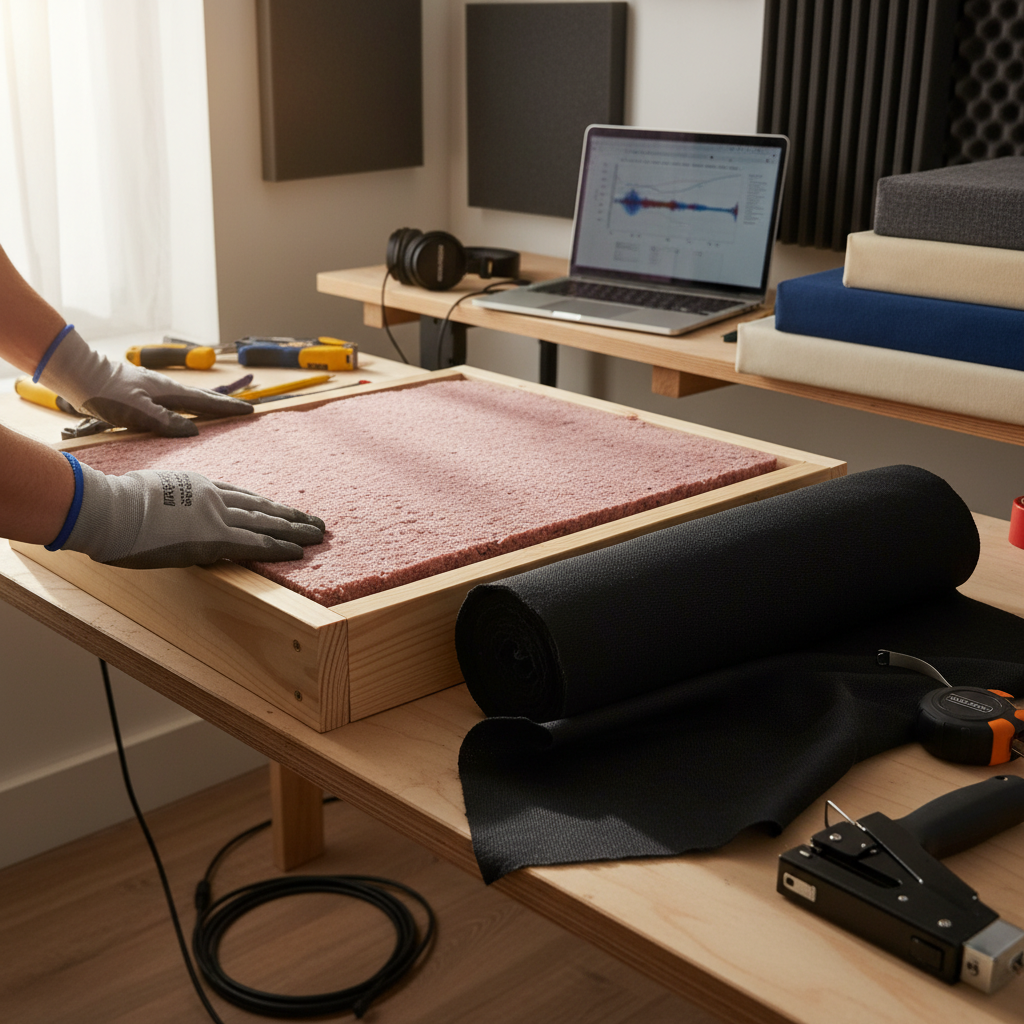
Creating DIY acoustic panels can significantly enhance the sound quality of any space, whether it's a home studio, office, or living room. According to the Acoustical Society of America, proper sound treatment can reduce reverberation by up to 80%, which is crucial for achieving clarity in audio production and comfortable listening environments. To construct effective acoustic panels, one must start with sound-absorbing materials such as rockwool or fiberglass. These materials are known for their high Noise Reduction Coefficient (NRC) scores; for instance, rockwool typically achieves NRC ratings around 0.9, making it a top choice for soundproofing.
In terms of construction techniques, begin by measuring the desired panel size. The most common dimensions for home use are 2x4 feet. Next, frame your panels using lightweight wood such as furring strips, as this keeps the overall weight manageable. Once framed, securely attach your sound-absorbing material and wrap it with a breathable fabric to enhance aesthetics while maintaining acoustic performance. Studies have shown that correctly positioned panels can alter the acoustic landscape significantly; placing them at first reflection points can diminish sound distortion by as much as 50%, allowing for a more enjoyable auditory experience in any environment.
Testing and Evaluation: Measuring the Impact of Acoustic Panels on Sound Quality Enhancement
In recent years, the acoustic characteristics of electrified vehicles (EVs) have garnered significant attention, particularly concerning how they enhance interior soundscapes.
This field of study delves into the perceptual parameters that define the experience of sound within these modern vehicles. Various studies have highlighted the importance of integrating
acoustic panels into EV interiors, as they can mitigate undesirable noise and elevate the overall auditory experience for passengers.
By employing specific materials and design strategies, EV manufacturers can achieve a sound quality that not only meets technical standards but also resonates with user preferences.
Testing and evaluation of these acoustic enhancements involve rigorous measurement of sound quality improvement. Employing diverse evaluation indices beyond the conventional sound pressure levels,
researchers have begun to explore perceptual metrics that better capture the nuances of sound experience.
This approach allows for a more holistic understanding of how acoustic environments in EVs influence user impressions and emotional responses, thereby guiding future design choices.
Ultimately, the goal is to create a harmonious soundscape that reflects the innovative spirit of electrification while prioritizing passenger comfort and satisfaction.