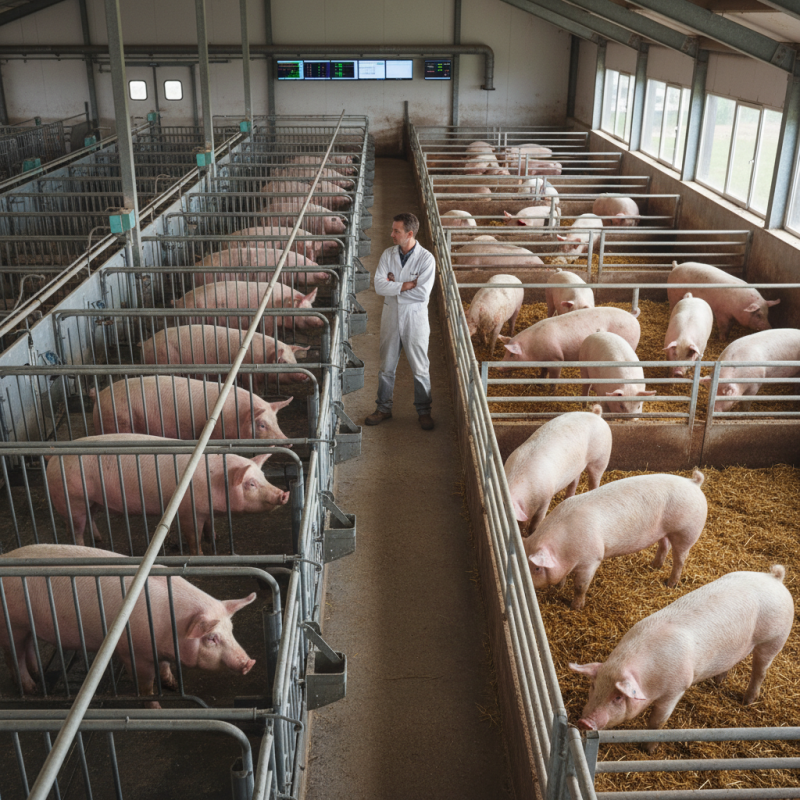
Sow Gestation Crate Benefits for Global Buyers Explained
The Sow Gestation Crate is a pivotal tool in modern pig farming. It enhances efficiency by ensuring the safety and welfare of sows during critical gestation periods. Many global buyers recognize its importance in maintaining herd health. Proper use of these crates can lead to better management practices and improved pregnancy outcomes.
However, the ethical considerations surrounding the Sow Gestation Crate cannot be ignored. Critics argue about the animals' freedom and comfort. This raises questions about the balance between productivity and welfare. While these crates can optimize production, they also demand accountability from farmers.
Understanding the benefits and challenges of the Sow Gestation Crate is crucial for informed purchasing decisions. Buyers must weigh the advantages of increased output against the need for ethical practices. This nuanced view helps in making responsible choices within the industry.
Benefits of Sow Gestation Crates in Enhancing Reproductive Efficiency
Sow gestation crates are designed to optimize reproductive efficiency in breeding operations. These crates provide a controlled environment. They minimize stress for sows and allow for easier monitoring by farm staff. A well-designed crate enables farmers to track health metrics. This leads to improved breeding outcomes and higher litter sizes.
However, the use of gestation crates raises ethical concerns. Critics argue that confinement limits movement. This could affect the physical and emotional well-being of the animals. Some farmers are reflecting on these issues. They explore alternatives that promote animal welfare without sacrificing efficiency. It’s important to balance productivity with ethical considerations in swine production.
With thoughtful use and ongoing improvements, gestation crates can support both efficiency and animal care. This approach can enhance the sustainability of breeding practices. Striking this balance requires collaboration within the industry. Engaging with experts can lead to innovative solutions that address challenges. Understanding both the benefits and potential downsides is essential for responsible farming.
Impact on Sow Health and Stress Reduction During Gestation Period
The gestation period is critical for sows, and it significantly impacts their health. Proper management during this time can lead to healthier litters. Providing sows with appropriate comfort can reduce stress. Stress can lead to health complications, affecting both the sow and her piglets. A calm environment helps sows thrive during pregnancy.
The use of gestation crates can benefit sow welfare when designed thoughtfully. These crates can minimize aggression in sows, making them feel secure. However, the dimensions must accommodate the sow’s size, allowing her to stand and turn comfortably. Well-designed environments can facilitate better nutrition intake. A healthier sow leads to reduced stress levels and improved milk production for her piglets.
It's essential to address the ethical considerations of using gestation crates. Critics argue they may restrict natural behaviors. Finding a balance between animal welfare and production efficiency is vital. Continuous research is needed to ensure practices align with the best interest of both sows and farmers. Understanding these aspects will lead to more informed decisions in swine management.
Sow Gestation Crate Benefits for Global Buyers Explained - Impact on Sow Health and Stress Reduction During Gestation Period
| Benefit | Description | Impact on Sow Health | Stress Reduction |
| Improved Space Management | Efficient use of farm space by housing sows in crates during gestation. | Reduces competition for space, leading to healthier body condition. | Minimizes aggression among sows, contributing to lower stress levels. |
| Controlled Feeding | Allows precise monitoring and control of dietary intake for each sow. | Helps in preventing obesity and ensuring optimal nutrient intake. | Reduces the stress related to competition for food resources. |
| Health Monitoring | Easier to observe individual sow health and behavior. | Allows for early detection of illness or distress, improving overall health. | Decreases stress caused by unidentified health issues. |
| Reduction in Injury Risk | Minimizes contact between sows to reduce the likelihood of injuries. | Promotes better overall physical health and reduces the need for veterinary care. | Less injury translates to lower stress levels for sows. |
| Standardized Conditions | Enables uniform environmental conditions for all sows during gestation. | Promotes consistent growth and development among sows. | Reduced fluctuations in conditions help to maintain low stress levels. |
Cost-Effectiveness in Swine Production: Analyzing Return on Investment
In the swine industry, the cost-effectiveness of using gestation crates is a critical topic for producers. Studies show that gestation crates can enhance productivity and lead to higher returns on investment. A report by the USDA indicates that producers using gestation crates can improve their overall production efficiency by up to 20%. This enhanced productivity translates into significant financial benefits, especially for large-scale operations.
However, the initial investment in gestation crate systems can be substantial. Some producers report upfront costs up to $3,000 per sow. This figure is significant and requires careful financial planning. Yet, when considering the long-term savings on feed and medical expenses, many find the investment rewarding. The precise management of feed intake in gestation crates often leads to healthier sows, resulting in a lower mortality rate and increased litter sizes.
Despite these advantages, ethical considerations are stirring debate within the industry. Critics question the welfare of animals in such confined spaces. This ongoing discussion may influence future regulations and consumer preferences. Producers must weigh the benefits of increased efficiency against the potential need for more humane solutions. Balancing profitability and ethics remains a complex challenge for swine production today.
Global Demand and Regulatory Trends Affecting Gestation Crate Usage
The global demand for gestation crates reflects complex regulatory trends. In recent years, several countries have implemented stricter animal welfare laws. For instance, the European Union has seen a notable decrease in gestation crate use. According to the European Commission, over 50% of sows are now kept in group housing systems.
However, in regions with less regulation, such as parts of North America, gestation crates remain prevalent. A report from the National Pork Producers Council indicated that about 75% of sows are still housed in these systems. This discrepancy raises questions about animal welfare versus production efficiency. Producers argue that crates provide safety and comfort during gestation. Critics contend they lead to significant psychological stress in animals.
As regulations evolve, the industry must adapt. Moving towards group housing can enhance the quality of life for sows. Yet challenges remain. Transitioning to group systems requires infrastructure investment and staff training. The future of gestation crates depends on balancing animal welfare, economic viability, and consumer demand. Adaptation is crucial for long-term sustainability in the pork industry.
Animal Welfare Considerations and Industry Best Practices in Crate Design
Sow gestation crates remain a topic of debate within the farming community. Many argue that their design promotes animal welfare. However, it's essential to acknowledge the nuances involved in crate development, especially with animal welfare in mind.
The initial intention behind gestation crates was to ensure the safety and health of sows. Proper design can significantly impact the pigs' comfort. Crates should provide enough space for the animals to stand, lie down, and turn around comfortably. Some designs incorporate softer flooring and improved ventilation. Still, it is crucial to balance practical farming needs with the emotional well-being of the sows.
**Tip:** Consider using adjustable crate designs. These can accommodate the growing size of the sows while fostering a more humane environment.
Critics often point out the psychological stress sows may endure in confined spaces. Hence, constant evaluation and improvement of crate designs are necessary. Innovations should not only address space but also include enrichment opportunities. Providing materials to chew or explore can significantly enhance their mental engagement.
**Tip:** Regularly assess animal behavior. Observing sows' reactions can guide improvements in crate design for better welfare outcomes.