How to Choose the Best Acoustic Ceiling for Your Space?
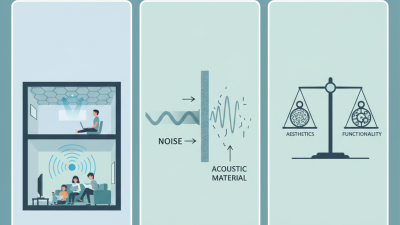
Choosing the right acoustic ceiling for your space is crucial. It influences both aesthetics and sound quality. Renowned acoustic ceiling expert, Dr. Susan Lane, emphasizes, "The right material can transform a noisy room into a tranquil retreat."
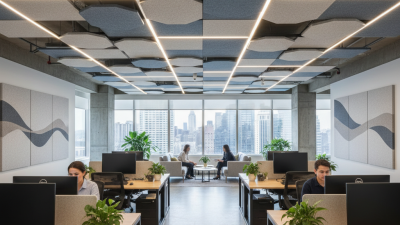
When selecting an acoustic ceiling, consider the room’s purpose. For example, offices benefit from ceilings that reduce echo. To enhance productivity, you need to balance noise control with visual appeal. Each material has distinct benefits and drawbacks. For instance, fabric-covered ceilings may offer superior sound absorption but require more maintenance.
Evaluate factors like budget, design, and installation. Some options might be more affordable but less effective. Reflect on the long-term implications of your choice. An imperfect choice can lead to unexpected issues, like inadequate soundproofing or aesthetic clashes. Making an informed decision on acoustic ceilings is essential for creating a comfortable environment.
Factors to Consider When Selecting Acoustic Ceilings
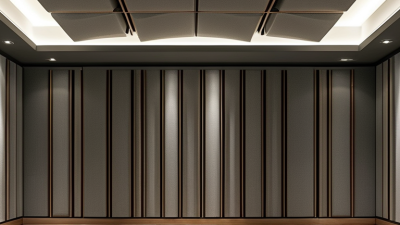
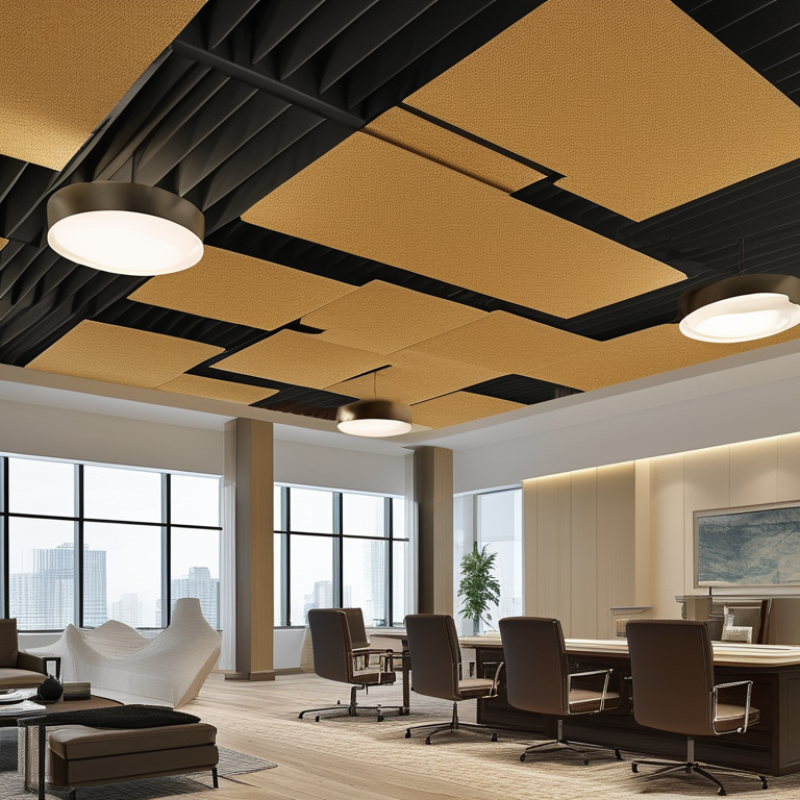
Choosing an acoustic ceiling involves careful consideration of various factors. The room's purpose plays a crucial role. For instance, office spaces may require higher sound absorption. Spaces like recording studios demand ceilings that minimize echoes. Assessing the intended use will help narrow down options.
Material selection is another vital aspect. Acoustic tiles come in various materials like mineral fiber and fiberglass. Each material has unique properties affecting sound control and aesthetics. Consider the overall design of your space too. The ceiling should complement the décor while serving its acoustic purpose.
It’s essential to check the installation process. Some materials are easier to install than others. Professional installation may be necessary for complex designs. Reflecting on maintenance is important as well. Some acoustic ceilings may require more upkeep due to dust accumulation. Balancing these factors can lead you to the best choice for your environment.
Different Types of Acoustic Ceiling Materials and Their Benefits
When selecting acoustic ceiling materials, understanding their unique benefits is key. Acoustic tiles made from mineral fiber are popular for their sound absorption. According to research, these tiles can reduce noise levels by up to 70%, making them ideal for busy environments like offices and schools. Their porous structure traps sound waves, preventing echo and creating a more productive atmosphere.
Another option is fabric-wrapped panels. These panels are known for their aesthetic appeal and sound-dampening qualities. Studies indicate that they can improve speech intelligibility by up to 50%. This improvement can boost communication in meeting rooms and auditoriums. However, they require careful installation and may not be suitable for all spaces due to maintenance concerns.
Finally, consider metal ceilings for industrial or modern aesthetics. While they might not absorb sound as effectively as other materials, they reflect sound. This reflection can be beneficial in environments where a lively atmosphere is desired. Striking a balance between acoustics and design is crucial when making your choice. Each material presents unique challenges and benefits, requiring careful thought before installation.
Acoustic Ceiling Design: Aesthetic and Functional Considerations
When considering an acoustic ceiling, aesthetics and functionality must work hand in hand. A visually pleasing ceiling enhances the overall ambiance of your space. Choosing materials and colors that match the surrounding decor can create a cohesive look. Subtle textures or patterns can add depth without overwhelming the eye.
Sound absorption is crucial, especially in busy environments. Soft materials help minimize echoes and noise. Acoustic tiles, for instance, effectively dampen sound, making spaces like offices and schools more productive. Be mindful of the material’s placement and design, as uneven surfaces may lead to unintended reflections that could compromise sound quality.
Incorporating natural light into your design is another essential consideration. Large panels or translucent materials can brighten a room while maintaining sound absorption. Experiment with colors and shapes to see what resonates with your personal style. Remember that what works in theory may not always play out well in practice. Don’t hesitate to rethink your choices if the results aren’t what you envisioned.
Installation Tips for Optimal Acoustic Performance
When selecting an acoustic ceiling, installation is key for optimal performance. Start by thoroughly assessing your space. Identify areas with the most noise. This could be conference rooms or open areas. Use measurement tools to determine sound levels. This data will inform your choice and installation method.
Proper installation can make a substantial difference. Ensure the ceiling material is securely fastened. Gaps may lead to sound leakage. Position the panels strategically to absorb sound. Often, a grid system can enhance the ceiling’s effectiveness. If you're uncertain about design, consulting with a professional can provide reliable guidance. Even small miscalculations in placement can affect acoustics negatively.
Consider the room’s aesthetics as well. Balancing sound control and visual appeal is crucial. Choosing colors that blend with your existing decor can create a seamless look. Reflecting on how the ceiling influences the overall ambiance is vital. Test the ceiling after installation. Are there lingering echoes? If so, adjustments might be necessary. Fine-tuning is part of achieving the best acoustic environment.
How to Choose the Best Acoustic Ceiling for Your Space?
| Acoustic Ceiling Type |
Sound Absorption Coefficient (SAC) |
Installation Difficulty |
Durability |
Cost Estimate (per sq ft) |
| Acoustic Tiles |
0.70 - 0.90 |
Easy |
Good |
$2 - $5 |
| Acoustic Panels |
0.80 - 1.00 |
Medium |
Very Good |
$5 - $10 |
| Acoustic Baffles |
0.60 - 0.85 |
Difficult |
Excellent |
$10 - $15 |
| Drop Ceiling Systems |
0.50 - 0.75 |
Easy to Medium |
Good |
$1 - $4 |
| Wood Acoustic Ceilings |
0.55 - 0.75 |
Medium |
Good |
$8 - $20 |
Maintenance and Care for Your Acoustic Ceiling Choices
When selecting an acoustic ceiling, understanding maintenance is crucial. Acoustic ceilings are designed to absorb sound, improving the overall acoustics of a space. However, they require regular care to maintain their effectiveness and appearance. According to industry reports, proper maintenance can extend the lifespan of acoustic panels by 25-30%.
Regular cleaning is essential. Dust and dirt can accumulate over time, diminishing their sound-absorbing qualities. A simple approach involves using a soft, dry cloth or a vacuum with a brush attachment. Avoid abrasive materials. For stains, mild soap with water can be effective. Test any cleaning solution on a small area first to prevent damage. Be mindful that some materials may absorb moisture.
Considerations during installation matter as well. Panels should be positioned away from direct sunlight to avoid fading. Additionally, managing humidity is important. High humidity can lead to mold, compromising performance. The ideal humidity level is between 30-50%.
While the benefits of acoustic ceilings are significant, neglecting maintenance can lead to deterioration. Regular checks will identify any issues early on. Small repairs can prevent larger problems later. Always consult with professionals if you’re unsure about your ceiling’s maintenance needs. Keeping these factors in mind will help you maximize the benefits of your acoustic ceiling.