Best Acoustic Panels for Ceilings: Enhance Sound Quality & Reduce Noise
When it comes to improving the acoustics of a room, many people overlook the importance of the ceiling. However, the installation of acoustic panels ceiling can significantly enhance sound quality and reduce unwanted noise, making it an essential consideration for any space. Whether you are setting up a home theater, a music studio, or simply looking to create a more pleasant living environment, these panels serve as an effective solution to common audio issues such as echo and reverberation.
Acoustic panels ceiling are designed to absorb sound waves and prevent them from bouncing off hard surfaces, thereby minimizing distractions and creating a more enjoyable atmosphere. With various styles and materials available, these panels not only provide practical benefits but also contribute to the aesthetics of a room. By strategically placing them on the ceiling, you can achieve a harmonious blend of functionality and design, allowing for both improved acoustics and an attractive interior.
In this guide, we will explore the best options for acoustic panels ceiling, detailing their features, benefits, and installation techniques. Our goal is to help you choose the right products that suit your needs and preferences, ensuring that you achieve the optimal sound quality in your space while effectively reducing noise interference.
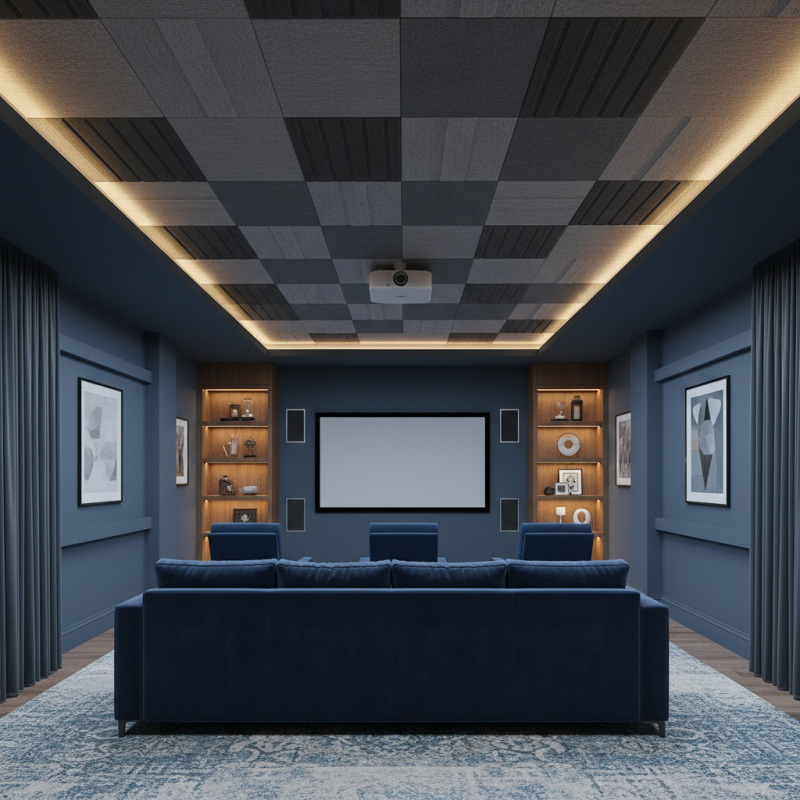
Understanding Acoustic Panels and Their Functionality
Acoustic panels are essential for optimizing sound quality and reducing noise in various environments, particularly in areas where clarity and sound control are crucial. These panels are specifically designed to absorb sound waves, mitigate echoes, and lessen unwanted background noise, thereby creating a more balanced acoustic space. According to the National Institute of Standards and Technology (NIST), excessive noise can lead to decreased productivity and increased stress levels, making the role of acoustic panels invaluable in both residential and commercial settings.
The functionality of acoustic panels is rooted in their material composition and design. Commonly made from foam, fabric, or fiberglass, these panels can effectively absorb sound across a wide range of frequencies. When properly installed on ceilings or walls, they can reduce reverberation time— the duration sound lingers in a space— by up to 50%, as indicated by studies conducted by the Acoustical Society of America. This reduction is particularly beneficial in areas like recording studios, home theaters, and even open offices, where sound clarity and overall comfort can significantly impact performance and satisfaction. Furthermore, the strategic placement of these panels can lead to a 30% improvement in sound intelligibility, proving that investing in quality acoustic solutions is critical for any space prioritizing auditory experience.
Best Acoustic Panels for Ceilings: Enhance Sound Quality & Reduce Noise
| Panel Type |
Material |
Thickness |
NRC Rating |
Dimensions (inches) |
Price Range |
| Wall Panel |
Fiberglass |
2 inches |
0.95 |
24 x 48 |
$50 - $80 |
| Ceiling Tile |
Mineral Fiber |
1 inch |
0.85 |
24 x 24 |
$20 - $40 |
| Bass Trap |
Foam |
4 inches |
1.10 |
12 x 12 |
$30 - $50 |
| Cloud Panel |
Wood Fiber |
1.5 inches |
0.90 |
48 x 24 |
$60 - $100 |
| Fabric Panel |
Polyester |
2 inches |
0.95 |
24 x 48 |
$40 - $70 |
Types of Acoustic Panels Suitable for Ceilings
Acoustic panels play a crucial role in enhancing sound quality and reducing noise levels, particularly when installed on ceilings. Various types of acoustic panels are designed specifically for ceiling application, each catering to different acoustic needs. The most common types include fiberglass panels, foam panels, and fabric-wrapped panels.
According to industry reports, fiberglass panels are highly effective in absorbing sound waves and reducing reverberation, making them ideal for environments such as recording studios and theaters. The Noise Reduction Coefficient (NRC) ratings for these panels can reach as high as 0.95, indicating superior sound absorption capabilities.
Foam panels, often used for project studios and home theaters, offer a lightweight, affordable solution for noise reduction. Although slightly less effective than fiberglass, their ease of installation and aesthetic flexibility make them a popular choice. Some studies show that strategically placing foam panels on the ceiling can enhance sound clarity by reducing echoes by up to 50%.
Fabric-wrapped panels combine the aesthetic appeal with functional sound absorption, making them suitable for both residential and commercial spaces. These panels can be customized in terms of design and material, allowing them to blend seamlessly into any decor while still providing an NRC rating of around 0.75 to 0.85, according to recent architectural acoustics research.
Ultimately, selecting the appropriate type of acoustic panel for ceiling installation depends on the specific acoustic challenges of the space and the desired aesthetic outcome. Whether aiming for maximum acoustic performance or a blend of functionality and design, understanding the distinct advantages of each type is essential for creating an optimal sound environment.
Factors to Consider When Choosing Ceiling Acoustic Panels
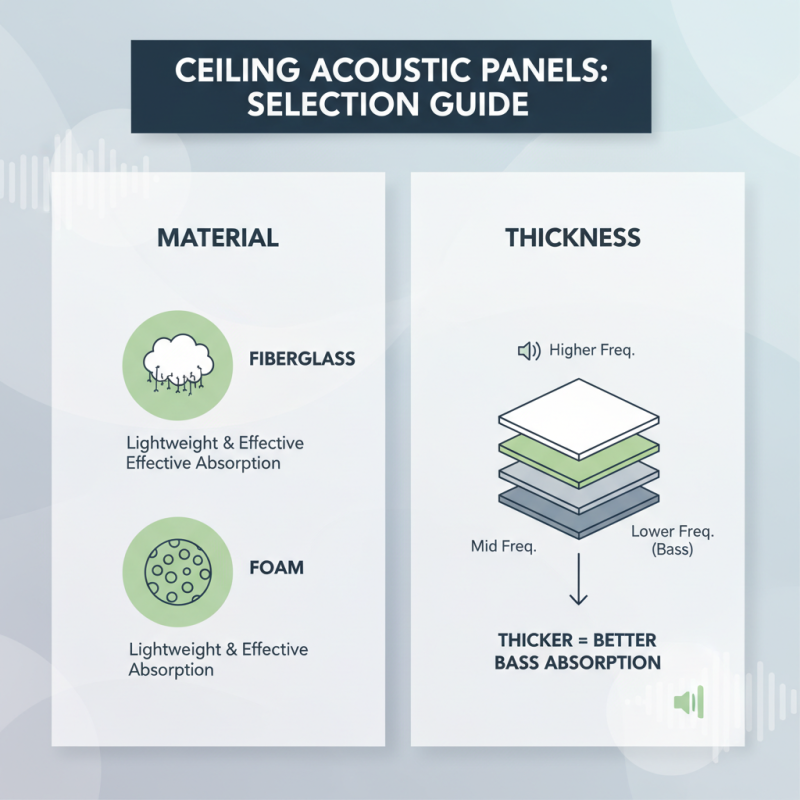
When selecting ceiling acoustic panels, there are several critical factors to keep in mind to ensure you enhance sound quality while effectively reducing noise. First, consider the material of the panels. Different materials provide varying levels of sound absorption. Fiberglass and foam are popular options due to their lightweight and effective sound-dampening properties. Additionally, the thickness of the panels plays a significant role; thicker panels typically absorb lower frequencies better, making them an excellent choice for environments with bass-heavy sounds.
Another crucial aspect is the panel's design and aesthetic appeal. Acoustic panels come in a variety of styles and colors, allowing you to integrate them seamlessly into your existing decor. Choosing panels that complement your interior design can enhance the overall feel of your space while providing necessary soundproofing. Moreover, the arrangement of the panels is vital for optimal sound absorption—strategically positioning them in areas where sound reflects could significantly reduce echo and improve acoustics.
Tips: When measuring your space, calculate the square footage to determine how many panels you may need. Additionally, consider the room’s purpose; a recording studio will have different requirements than a home theater or a conference room. Finally, think about installation options—some panels can be easily mounted, while others may require professional installation, impacting both your budget and timeframe.
Installation Methods for Ceiling Acoustic Panels
When considering the installation of acoustic panels on ceilings, there are various methods that can ensure optimal sound absorption and aesthetic appeal. One of the most common approaches is using adhesive strips or glue, which provides a simple and clean installation process. This method is particularly suitable for lightweight panels and allows homeowners to avoid damaging the ceiling surface with screws or nails.
For those looking for a more secure solution, using anchors and screws is an excellent choice, offering added stability for heavier panels. It's crucial to ensure the correct type of anchor is chosen based on the ceiling material to prevent any damage.
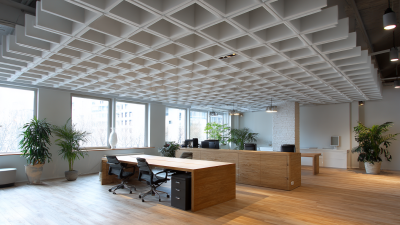
Another effective installation method is suspending panels from a grid system. This approach is especially beneficial in commercial spaces or areas with high ceilings. A grid system allows for flexibility in panel arrangement and can be easily adjusted or expanded in the future. Additionally, utilizing acoustic tiles that fit within the grid not only enhances sound quality but also facilitates easy maintenance and replacement. Regardless of the installation method chosen, proper spacing and arrangement of the panels are vital to achieving the most effective sound quality improvement and noise reduction.
Benefits of Enhancing Sound Quality and Reducing Noise
Acoustic panels are increasingly recognized for their role in enhancing sound quality and reducing noise in various environments, from recording studios to open offices. Research indicates that poor acoustics can greatly impact productivity and overall well-being, leading to heightened stress levels. According to a study published by the Acoustical Society of America, up to 50% of the workforce in open-plan offices report difficulties in concentrating due to noise distractions. By integrating acoustic panels into ceiling designs, individuals can significantly lower sound reverberation, creating a more pleasant auditory space.
Furthermore, the careful selection of acoustic materials can lead to improved sound absorption, which is crucial in community spaces where clarity of speech is vital. The National Institute of Standards and Technology notes that sound wave reflections can cause echoes that distort speech in public settings, necessitating effective sound management solutions. Installing acoustic panels not only enhances the quality of music and speech but also fosters an environment conducive to collaboration and learning.
**Tips:** When selecting acoustic panels for ceilings, consider the thickness and density of the material, as thicker panels typically provide better sound absorption. Additionally, strategically placing panels in areas where sound tends to accumulate, like corners or high-traffic zones, can maximize their effectiveness. Finally, consult with acoustic professionals to tailor solutions that fit both aesthetic and functional needs, ensuring optimal sound quality in your space.
Comparison of Acoustic Panels Effectiveness
This chart represents the sound absorption coefficients of various acoustic panels typically used for ceilings. The values indicate the effectiveness of each panel in reducing noise across different frequencies (250 Hz, 500 Hz, 1000 Hz, 2000 Hz).