What is the Best Electric Water Heater for Home Use?
Choosing the right Electric Water Heater can significantly impact your home's energy efficiency. An electric water heater provides various advantages, making it a popular choice among homeowners. These heaters are designed to provide consistent hot water while being convenient and easy to maintain.
When selecting the best electric water heater, consider your family's size and hot water needs. A larger household will require a unit with a higher capacity, while smaller homes may benefit from compact models. It's essential to evaluate energy consumption as well. Some electric heaters are more efficient than others, saving you money in the long run.
However, not all electric water heaters are created equal. Certain brands may promise exceptional performance but fall short in reliability. Research customer reviews and expert recommendations to find a heater that suits your particular requirements. While the decision can seem overwhelming, careful consideration will lead you to the best electric water heater for your home.
What to Consider When Choosing an Electric Water Heater for Home Use
When selecting an electric water heater for home use, several key factors come into play. One important aspect is the size of the heater. A unit too small will struggle to provide enough hot water. Conversely, an overly large heater can waste energy. Assess your family's hot water needs to find the right capacity.
Another consideration is energy efficiency. Look for heaters with higher energy factor ratings, as they tend to consume less electricity. This not only reduces your utility bills but also has a positive environmental impact. Remember, high efficiency often leads to long-term savings.
**Tips:**
Consider your installation space. Some heaters require more room than others. Check dimensions to avoid surprises during installation.
Regular maintenance is crucial. Flushing your heater once a year can improve efficiency and extend its lifespan.
Don’t forget about the warranty. A good warranty reflects the manufacturer's confidence in their product.
Comparison of Electric Water Heaters for Home Use
Types of Electric Water Heaters: Tank vs. Tankless
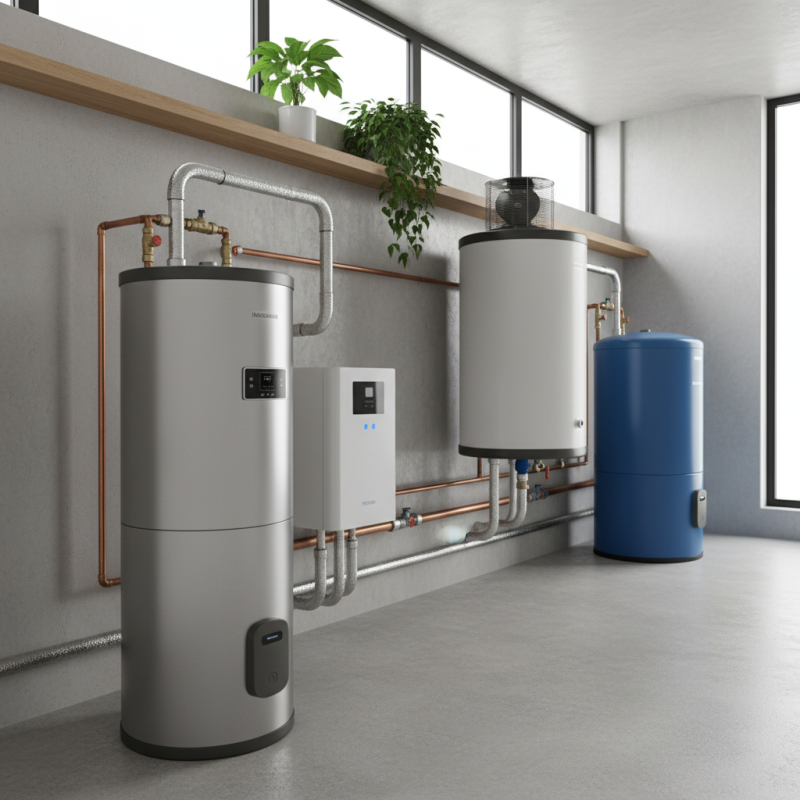
When considering electric water heaters for home use, it's essential to understand the two primary types: tank and tankless. Tank water heaters store a significant amount of hot water in a large tank. They are reliable for homes with high hot water demands. However, they take up more space and can run out of hot water during peak use times.
Tankless water heaters provide hot water on demand. This design makes them compact and energy-efficient since they avoid standby heat loss. However, they may struggle to keep up during heavy usage. Think about your typical usage patterns before making the choice. Do you often run multiple hot water appliances simultaneously? If so, a tank model might suit you better.
**Tips:** Consider your household's daily hot water needs. If you have a family of four, a larger tank may be necessary. You should also evaluate the installation requirements. Space constraints could limit your options. Remember, both types have pros and cons. You may find one may not fulfill all your needs perfectly, prompting a reevaluation of your choice.
Key Features and Specifications of Electric Water Heaters
When considering the best electric water heater for your home, key features are vital. Efficiency is one crucial aspect. Look for units that offer high energy efficiency ratings. This can greatly reduce your utility bills over time.
Storage capacity is another important specification. A tankless design provides unlimited hot water but may require a higher initial investment. On the other hand, traditional tank heaters have lower upfront costs, but they can run out of hot water during peak usage.
Tips: Always consider your household's hot water needs. An undersized unit can lead to inconveniences. Additionally, think about installation costs. Some heaters may require extensive electrical work. Don’t shy away from consulting experts to evaluate your specific situation.
What is the Best Electric Water Heater for Home Use? - Key Features and Specifications of Electric Water Heaters
| Model | Capacity (Gallons) | Power (kW) | Heating Efficiency | Warranty (Years) |
| Model A | 40 | 4.5 | 95% | 6 |
| Model B | 50 | 4.0 | 90% | 8 |
| Model C | 30 | 3.5 | 85% | 5 |
| Model D | 80 | 5.5 | 92% | 10 |
Energy Efficiency Ratings and Their Importance for Electric Water Heaters
When choosing an electric water heater, energy efficiency is key. Many homeowners overlook energy ratings, but they greatly impact costs. The U.S. Department of Energy states that water heating can account for up to 18% of home energy usage. Investing in an energy-efficient model can lead to significant savings over time. Models with higher energy factor (EF) ratings often use less electricity, which reduces monthly bills.
Understanding the ENERGY STAR certification is crucial. These models typically demonstrate at least a 10% improvement in efficiency compared to standard units. A report by the National Renewable Energy Laboratory found that households using ENERGY STAR appliances can save about $320 annually on energy bills. This certification ensures the product meets rigorous efficiency standards, providing peace of mind for consumers.
Despite these benefits, the initial cost of an energy-efficient electric water heater can be higher. Some may consider cheaper options, sacrificing quality for price. However, lower efficiency models might result in higher long-term costs. Homeowners should weigh upfront investments against potential savings. Making an informed choice can lead to better energy use management and sustainability, benefiting both the environment and household budgets.
Top Brands and Models of Electric Water Heaters Reviewed
When choosing an electric water heater, several leading brands stand out. Options vary widely, catering to diverse household needs. Some models are efficient, with quick recovery rates. Others focus on advanced technology, offering smart controls for easier management. Efficiency ratings matter. They affect long-term costs and environmental impact.
Installation can be straightforward, but it's vital to consider space requirements. Some heaters are compact, fitting snugly in tight spaces. Larger models may provide higher capacity but require more room. Performance can fluctuate. Consumers sometimes report slow heating or insufficient hot water during peak usage. Exploring user reviews helps identify potential issues before purchasing.
Maintenance is another crucial factor. Many users overlook regular inspections and cleaning. This can lead to sediment buildup, affecting efficiency. A proactive approach ensures longevity and consistent performance. Seeking professional advice can also provide insights into the right model for specific requirements. Always reflect on actual needs versus advertised features.