Best Noise Panels for Effective Soundproofing Solutions?
In today's world, noise pollution is a challenge many face. Whether from bustling city streets or loud neighbors, excessive noise can disrupt daily life. This is where noise panels come into play. They are an effective solution for soundproofing any space.
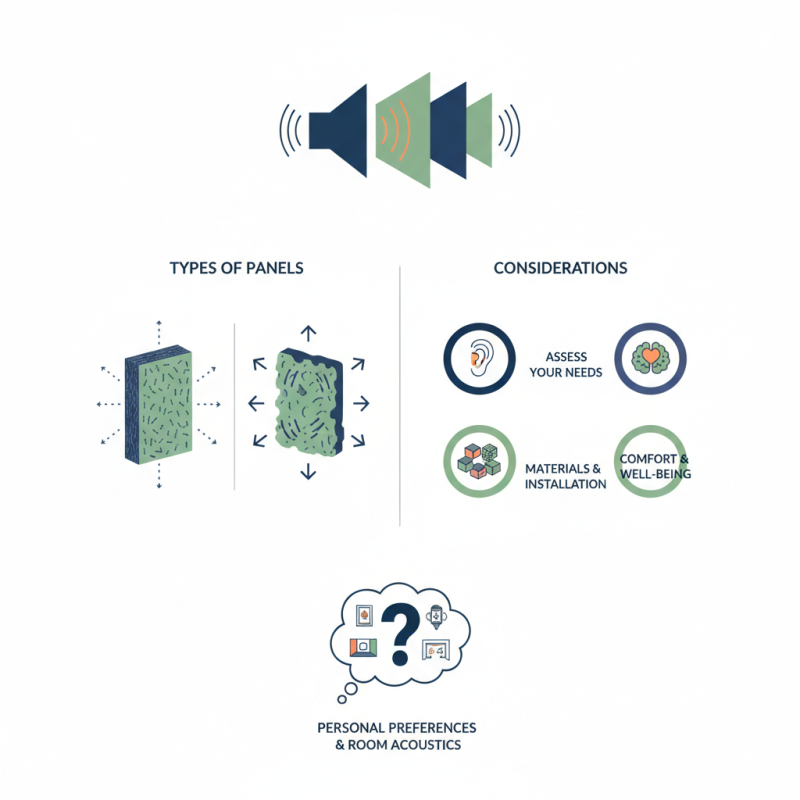
Choosing the right noise panels can be daunting. Various options are available, but not all are created equal. Some panels excel in absorption, while others focus on diffusion. It's vital to assess your needs before making a decision. Understanding the materials and installation process can enhance their effectiveness.
Investing in noise panels not only improves comfort but also elevates well-being. However, keep in mind that the choice is subjective. What works for one may not work for another. Consider personal preferences and room acoustics carefully. A thoughtful approach will lead to a more enjoyable living or working environment.
Factors to Consider When Choosing Noise Panels for Soundproofing
When choosing noise panels for soundproofing, several critical factors come into play.
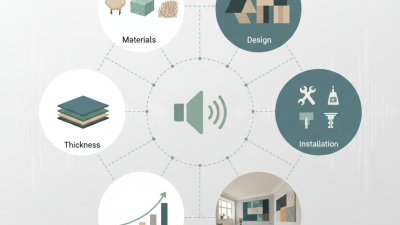
Firstly, material is essential. Panels made from foam, fiberglass, or mass-loaded vinyl each have unique acoustic properties.
It is important to match materials to the specific sound frequencies that need to be absorbed. For instance, foam panels work well for higher frequencies,
while heavier materials can help with lower frequencies.
Next, consider the thickness of the panels. Thicker panels typically provide better sound absorption.
However, they can also occupy more space, which might not be ideal for smaller rooms.
Additionally, the panel's density impacts its effectiveness.
Higher-density panels often offer superior soundproofing capabilities.
Pay attention to how these panels are installed. Poor installation can lead to gaps that allow sound to leak through,
undermining the effort.
Aesthetic preference is also noteworthy. Noise panels come in various designs and colors.
Finding options that fit your existing decor requires thought.
Yet, keep in mind that aesthetic choices should not compromise performance.
Often, achieving a perfect balance between functionality and style is challenging.
Reflect on your specific needs and the environment where these panels will be used.
Types of Noise Panels Available for Effective Soundproofing Solutions
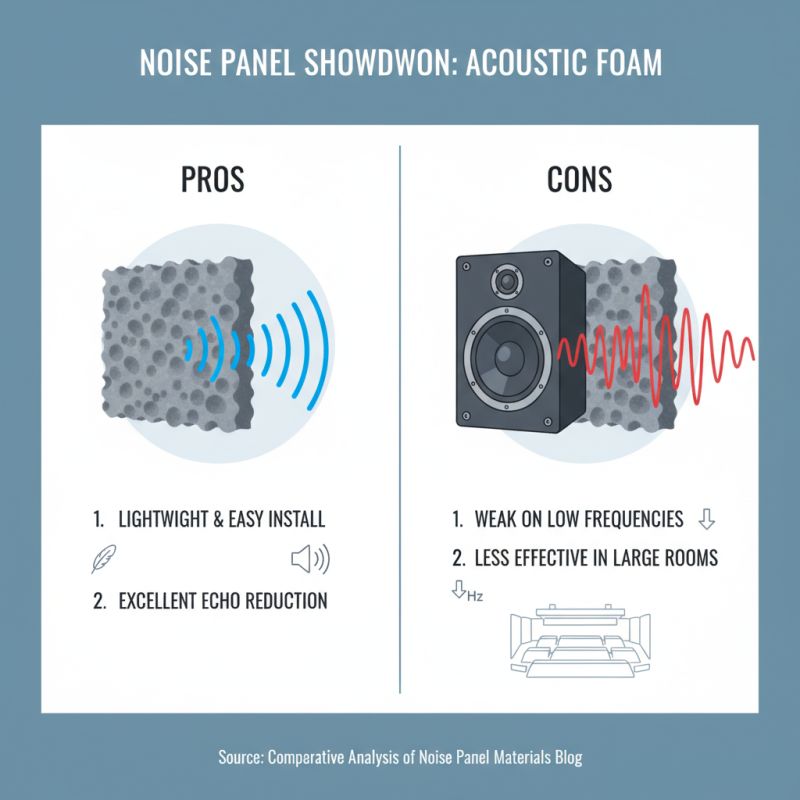
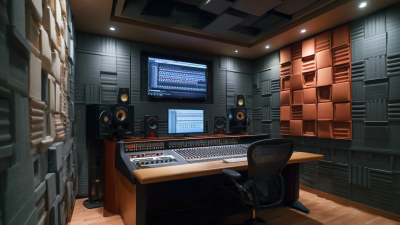
When considering noise panels for soundproofing, various types are available to meet specific needs. Acoustic foam panels are popular for their ability to absorb sound waves effectively. They are lightweight and easy to install, making them a common choice for home studios. However, they may not completely block sound; they mainly reduce echoes within a space.
Another option is mass-loaded vinyl (MLV) panels, which provide excellent soundproofing by adding density to walls. These panels are flexible and can be hung or glued onto surfaces. While effective, MLV can be heavier and more challenging to handle during installation. They require careful management to achieve the best results in your space.
Additionally, soundproofing blankets are versatile solutions for temporary or semi-permanent needs. These fabric-based panels can be draped over windows or hung as dividers. While easy to use, they may not match the effectiveness of more permanent materials. Seeking the right balance between ease of installation and soundproofing efficiency remains a common challenge. Understanding the strengths and limitations of each panel type is crucial for effective soundproofing.
Best Noise Panels for Effective Soundproofing Solutions
The following chart illustrates the effectiveness of various types of noise panels based on their sound absorption coefficients at specific frequencies. The data showcases the performance of different materials used in soundproofing solutions.
Installation Methods for Optimal Noise Panel Performance
When considering noise panels for soundproofing, installation methods significantly impact performance. Proper installation ensures that the panels achieve their maximum efficacy. Industry studies indicate that poorly installed panels can lose up to 50% of their sound absorption capabilities. This highlights the need for attention to detail during the installation process.
One effective method involves using adhesive instead of nails. Adhesives provide a seamless connection to the surface, allowing the panels to fit snugly. Additionally, creating a staggered pattern can enhance coverage and reduce sound reflections. Studies have shown that staggered layouts can improve the sound reduction rating by as much as 30%. This approach requires some planning but can yield remarkable results.
However, it’s crucial to assess the installation environment. Not all surfaces are suitable for adhesive applications. For instance, uneven surfaces may cause gaps. These gaps can act as sound leaks, undermining the effectiveness of completed installations. Regular evaluation after installation is essential to identify potential issues. It’s important to remember that even the best panels require proper maintenance. Periodic checks can ensure that performance remains at optimal levels.
Comparative Analysis of Noise Panel Materials and Their Efficacy
When considering noise panels, various materials present distinct advantages and challenges. Acoustic foam panels, for instance, are popular for their lightweight nature. They effectively absorb sound waves, reducing echo in a space. However, they might struggle with low-frequency sounds. This limitation can render them less effective in certain environments, especially in larger rooms.
On the other hand, mass-loaded vinyl offers superior soundproofing capabilities. Its dense composition blocks sound transmission well. It provides enhanced performance in noisy settings, such as recording studios or home theaters. However, the weight of these panels can complicate installation. It is essential to evaluate the space and the desired soundproofing level before making a choice.
Another option to explore is fiberglass sound panels. They are versatile and can be aesthetically pleasing. Their ability to control mid to high-frequency sound is commendable. Yet, they can sometimes be considered overkill for residential applications. Ultimately, the effectiveness of any noise panel greatly depends on the specific acoustic challenges and room characteristics faced. An informed decision requires thoughtful consideration of these factors.
Cost Considerations and Value of Investing in Noise Panels
Investing in noise panels can significantly enhance the comfort of any space.
Soundproofing is essential in environments like offices, studios, and homes. Reports indicate that
inadequate acoustic treatment can reduce productivity by up to 25%. This highlights
the importance of effective soundproofing solutions.
Cost is a crucial factor when considering noise panels. Quality products range from $30 to over
$300 per panel, depending on materials and effectiveness. Initial investments might seem high, but
many professionals assert that long-term benefits often outweigh costs. Improved focus and reduced stress can lead
to better overall well-being.
However, not all noise panels deliver the same results. Some may lack adequate absorption or durability. Potential
buyers should research thoroughly, seeking credible reviews and expert opinions. A poor choice can lead to
wasted resources. Understanding the specific acoustic needs of a space ensures a more tailored approach.