2026 Best Noise Panels for Soundproofing Your Space?
In today’s busy world, achieving a peaceful environment is increasingly important. Noise panels play a crucial role in reducing sound pollution. Whether you are in an office or at home, the right noise panels can transform your space into an oasis of calm.
Different environments require specific solutions. For instance, a music studio needs more soundproofing than a home office. Choosing the best noise panels can be overwhelming due to the variety of options available. Each type offers unique features and benefits. However, not all panels provide the same level of effectiveness.
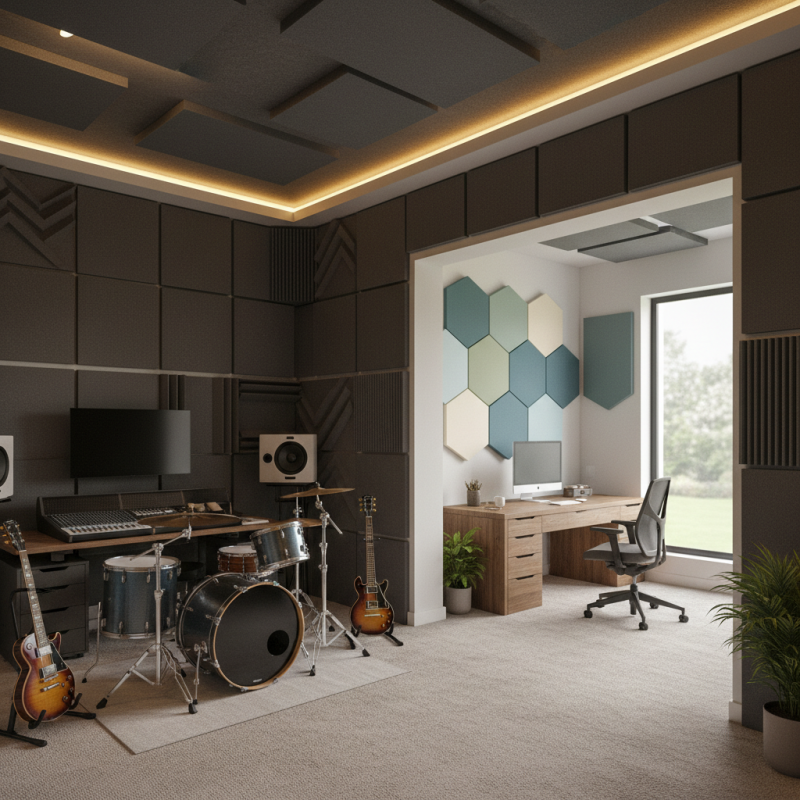
Consider aesthetics and functionality when selecting noise panels. A well-designed panel not only absorbs sound but also enhances room decor. Yet, many people overlook the installation process and maintenance. These factors can affect long-term performance. It is essential to invest time in researching the best choices for your specific needs.
Top Features to Consider When Choosing Noise Panels for Soundproofing
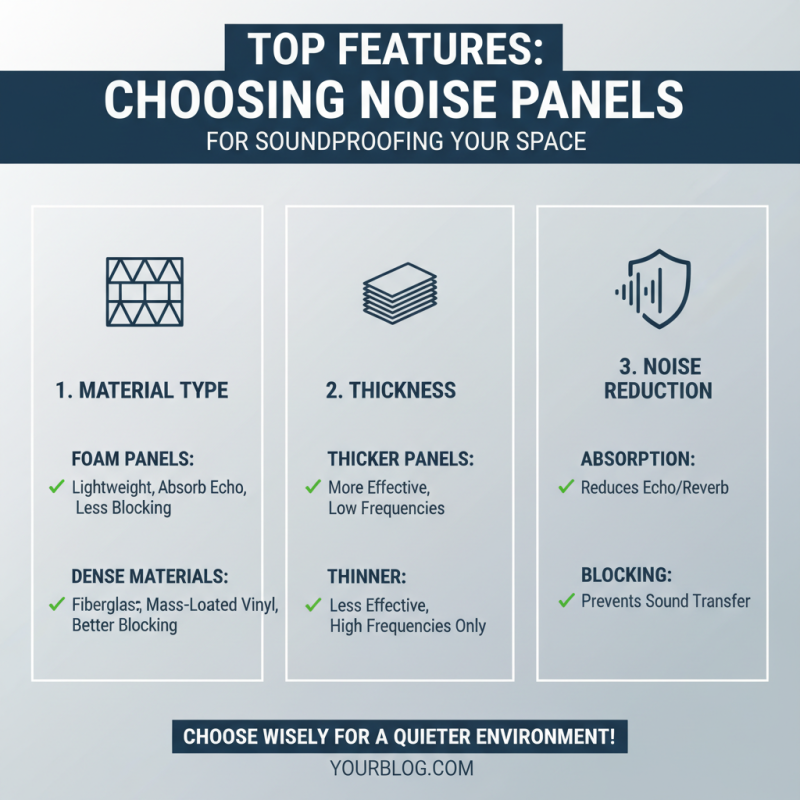
When looking for the best noise panels, consider material types. Foam panels are popular for their lightweight structure. They absorb sound well but may not block it entirely. Look for denser materials like fiberglass or mass-loaded vinyl for better noise reduction. The thickness also matters; thicker panels can dampen lower frequencies more effectively.
Another crucial feature is the panel's design. Some panels are aesthetically pleasing and can blend with your decor. Others focus solely on functionality. Color options and styles are important if you want them to complement your space. Check if panels are easy to install. Not all come with mounting hardware, so be prepared for that.
It’s also essential to think about the coverage area. Measure your room accurately to determine how many panels you’ll need. Some may find they need more panels than expected. Consider personal comfort levels; if you find a room too quiet, it might feel unnerving. Be ready to experiment with different configurations to find what works best for you.
Types of Soundproofing Materials Used in Noise Panels
Noise panels are essential for achieving a quieter and more peaceful environment. These panels utilize various types of soundproofing materials to reduce unwanted noise. Understanding these materials is crucial for selecting the right panels.
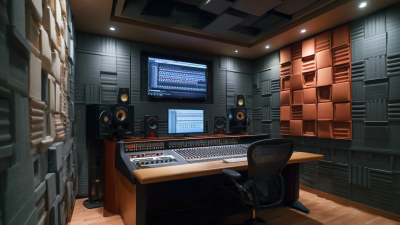
One common material used in noise panels is acoustic foam. This lightweight option absorbs sound waves effectively, making it suitable for home studios or offices. It's easy to install and comes in various shapes and sizes. Another effective material is mass loaded vinyl (MLV). This dense vinyl acts as a barrier against sound transmission and is often used in walls and ceilings. Its effectiveness can be enhanced when layered with other materials, creating a soundproofing sandwich.
Additionally, some panels incorporate fiberglass or polyester. These materials provide excellent absorption capabilities. They are often treated to resist moisture and improve durability. However, selecting the right panel means considering the room's specific needs. Always assess factors like room purpose, noise levels, and aesthetics. Each space is unique, and solutions may differ. The quest for the best noise panel can lead to trial and error. It’s important to experiment with different combinations to find an optimal solution that truly reduces noise effectively.
2026 Best Noise Panels for Soundproofing Your Space
| Panel Type |
Material Used |
Sound Absorption Coefficient |
Thickness (inches) |
Price Range (USD) |
| Acoustic Foam Panels |
High-Density Foam |
0.85 |
2 |
$30 - $100 |
| Fabric Wrapped Panels |
Mineral Wool |
0.95 |
1 - 2 |
$50 - $150 |
| Mass Loaded Vinyl Panels |
Vinyl Composite |
1.00 |
0.5 |
$100 - $200 |
| Gypsum Board Panels |
Gypsum |
0.40 |
0.625 |
$15 - $50 |
| Wood Fiber Panels |
Wood Fiber |
0.70 |
1 |
$40 - $120 |
How to Install Noise Panels Effectively for Maximum Sound Absorption
When installing noise panels, placement is crucial for effective sound absorption. Start by identifying the main sources of sound in your space. Common areas include walls, ceilings, and even windows. Position panels at the points where sound waves converge. It’s often beneficial to place them at ear level. High-frequency noise tends to reflect more, so strategic placement is essential.
Consider the size of your panels and the area you want to treat. Larger panels can absorb more sound but take more space. Small panels may require more pieces to achieve the same effect. Experiment with different configurations to find what works best. Remember, achieving maximum soundproofing often involves some trial and error.
Lastly, ensure your panels are properly mounted. A secure fit can enhance their effectiveness. Use appropriate adhesives or mounting hardware to prevent sagging. The goal is to create a seamless acoustic barrier. Proper installation can greatly impact the overall sound quality in your environment. Each space is unique, so adjust your approach as needed.
2026 Best Noise Panels for Soundproofing Your Space
This chart illustrates the effectiveness of different soundproofing materials in terms of sound absorption coefficients at mid-range frequencies (around 500 Hz). The data reflects standard performance levels for commonly used materials in soundproofing.
Review of the Best Noise Panels for Different Budgets in 2026
When it comes to soundproofing, selecting the right noise panels can greatly impact your environment. In 2026, a range of noise panels offers effective solutions for varying budgets. According to the Acoustical Society of America, sound absorption can be enhanced by 50% with high-quality panels, making them vital for both homes and offices.
For budget-conscious consumers, panels made from recycled materials can be affordable. These panels may not provide the same level of sound absorption as high-end options, but they still reduce echo and improve overall acoustics. An independent study reported that budget panels reduced noise by approximately 30% in small spaces. This is a significant improvement for those on a tighter budget.
Higher-end panels, crafted from specialized acoustic foam, provide superior soundproofing. They can reduce noise levels by as much as 70%. However, these panels often come at a premium price. Users should research material effectiveness and test options that suit their needs. Some find that investing in quality panels pays off in the long run, while others may prefer a mix of affordable and high-end solutions. Exploring personal and spatial requirements is essential for finding the ideal balance.
Comparing Aesthetic Options for Noise Panels to Match Your Space
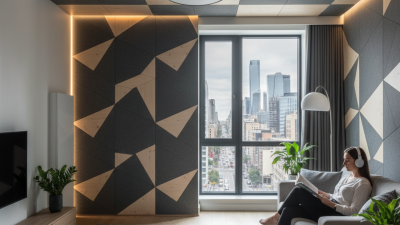
When it comes to soundproofing, noise panels offer aesthetic options that enhance any space. Selecting the right design can create a harmonious balance between functionality and style. Consider colors and textures that complement your existing decor. Minimalistic options with neutral tones provide a modern look. Patterned panels, on the other hand, can inject personality into a room.
The installation of noise panels can be a challenge. Sometimes, they may not align with your vision perfectly. This mismatch can create a feeling of unease. Think about how the room will feel once you're done. You might end up needing to experiment with placement and combinations. Test different textures and colors to see what resonates the most. Small details can make a big difference in overall aesthetics.
Take time to assess the available options. A personal touch in design can enhance both appearance and functionality of noise panels. Don't rush this process, as it plays a crucial role. Sometimes, it’s about finding beauty in imperfection. The right choice might require some adjustments along the way. Engage in the process, allowing creativity to shape your soundproof environment.