Best Sound Insulation Panels for Home Use 2026 Guide?
In a world filled with noise, finding peace at home is essential. Sound insulation panels offer a practical solution. Designed for residential use, these panels help reduce unwanted sounds and create a serene environment.
Choosing the right sound insulation panels can be overwhelming. There are different materials, styles, and installation options available. Some panels effectively absorb sound, while others reflect it. Your decision might depend on your specific needs and room setup. Consider the size of your space and the type of noise you experience.
However, not all panels perform the same. Some users may notice imperfections in their sound absorption quality. It's essential to research and understand what works best for your home. Investing in sound insulation panels could be a step toward a quieter and more enjoyable living space.
Understanding Sound Insulation Panels: Definition and Importance
Sound insulation panels are essential for creating a peaceful home environment. These panels absorb sound waves, reducing noise from various sources. They help block unwanted sounds, making interior spaces more comfortable. Many people underestimate their importance, but noise control affects mental health and productivity.
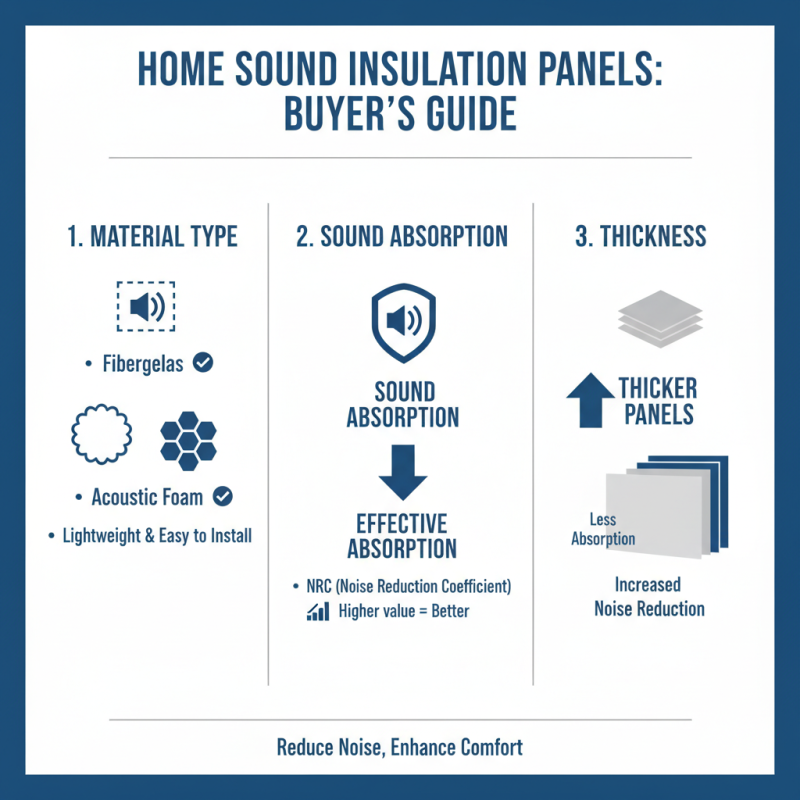
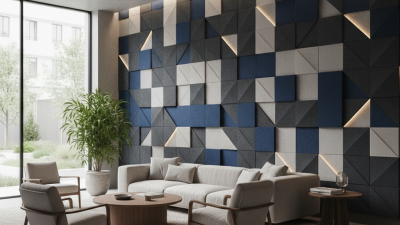
When choosing insulation panels, consider their material and density. Some materials work better for specific environments. Thicker panels often provide better soundproofing. It’s crucial to balance noise absorption with aesthetics. They come in different designs, allowing you to enhance your decor.
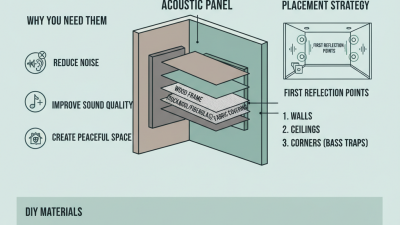
Tips: Installation is key for effectiveness. Properly sealing edges prevents sound leakage. Test different locations before finalizing installation. Not every space needs the same treatment. Think about which areas require more insulation, like home theaters or home offices. It’s okay to experiment until you find the right balance.
Types of Sound Insulation Panels for Home Use: An Overview
When it comes to sound insulation panels for home use, several types cater to different needs. Acoustic panels are quite popular. These panels absorb sound waves, reducing echo in spaces like music rooms or home theaters. They're usually made from foam or fabric-covered materials. Their lightweight nature makes them easy to install, but they may not block lower frequencies effectively.
Another type is soundproofing panels. These tend to be denser and thicker. They are designed to block sound rather than just absorb it. You'll often find these used in shared walls or in apartments. They can be heavy and might require professional installation. However, they provide a more comprehensive sound barrier, especially for noises like bass from music.
Lastly, there are specialty panels, such as mass-loaded vinyl panels. These are unique and effective but can be costly. Installing them might seem straightforward, but poor installation can lead to gaps, making them less effective. Choosing the right type of panel requires reflection on your specific needs. Different rooms may have different sound insulation requirements. It's essential to assess each space carefully.
Best Sound Insulation Panels for Home Use 2026 Guide
| Panel Type |
Material |
Thickness (inches) |
Noise Reduction Rating (NRR) |
Ideal Use |
| Acoustic Foam Panels |
PU Foam |
2 |
25 |
Recording Studios, Home Theaters |
| Mass Loaded Vinyl |
Vinyl |
1/8 |
30 |
Walls, Doors |
| Fiberglass Panels |
Fiberglass |
2 |
35 |
Commercial Spaces, Home Theaters |
| Soundproof Curtains |
Polyester, Cotton |
0.5 |
20 |
Windows, Doors |
| Resilient Channels |
Metal |
N/A |
N/A |
Walls, Ceilings |
Top Brands and Products for Sound Insulation in 2026
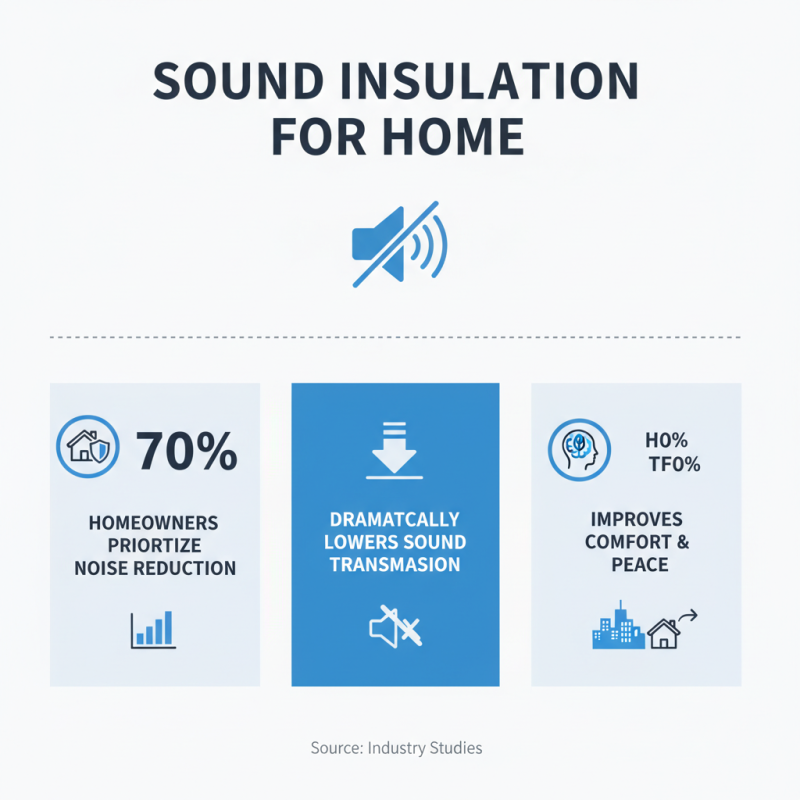
When looking for effective sound insulation panels for home use, several factors come into play. Studies indicate that around 70% of homeowners prioritize noise reduction in their living spaces. The right panels can dramatically lower sound transmission. This can improve comfort and peace, especially in urban areas.
Acoustic panels vary in materials and designs. Foam and fabric panels are popular choices. They absorb sound waves, reducing echoes significantly. Some reports suggest that properly installed panels can lower noise levels by up to 30 decibels. This kind of reduction creates a quieter environment. However, not all panels perform the same. It's crucial to check the noise reduction coefficient (NRC) ratings.
Available options can be overwhelming. Aesthetic also matters. Consumers desire panels that blend well with home decor. Many options exist, but effectiveness varies. Some panels may not meet specific noise reduction needs. So, it's wise to research thoroughly. Be prepared to invest time in selecting the ideal product. That investment pays off in long-term comfort and tranquility.
Installation Tips and Best Practices for Sound Insulation Panels
When installing sound insulation panels, preparation is key. Start by measuring your space accurately. This will help you determine how many panels you need. It’s easy to underestimate, leading to gaps in coverage. Ensure the walls are clean and dry before installation. Dust or moisture can affect how well the panels stick.
Choose the right adhesive for your panels. Some might require a spray adhesive, while others need double-sided tape. Read the instructions carefully. Getting this wrong can lead to panels falling off. When placing the panels, take your time. A misaligned panel can be an eyesore. Make sure to keep them straight. If you make a mistake, don’t hesitate to reposition them.
Finally, consider the layout of the room. Panels placed high up can be effective, but don’t forget lower areas. Sound travels in all directions. Not all rooms are the same—some may need more panels than others. It’s a bit of trial and error to find the perfect setup. Reflect on the sound quality after installation. You might need to make adjustments.