10 Best Sound Treatment Solutions for a Perfect Acoustic Environment
Creating an optimal acoustic environment is essential for both professional and personal spaces, leading to increased productivity and enhanced listening experiences. Research indicates that poor acoustics can lead to significant disruptions, with a 2018 study revealing that 70% of professionals report decreased work efficiency due to excessive noise levels in their environments. Thus, implementing effective sound treatment solutions becomes paramount for individuals and businesses alike.
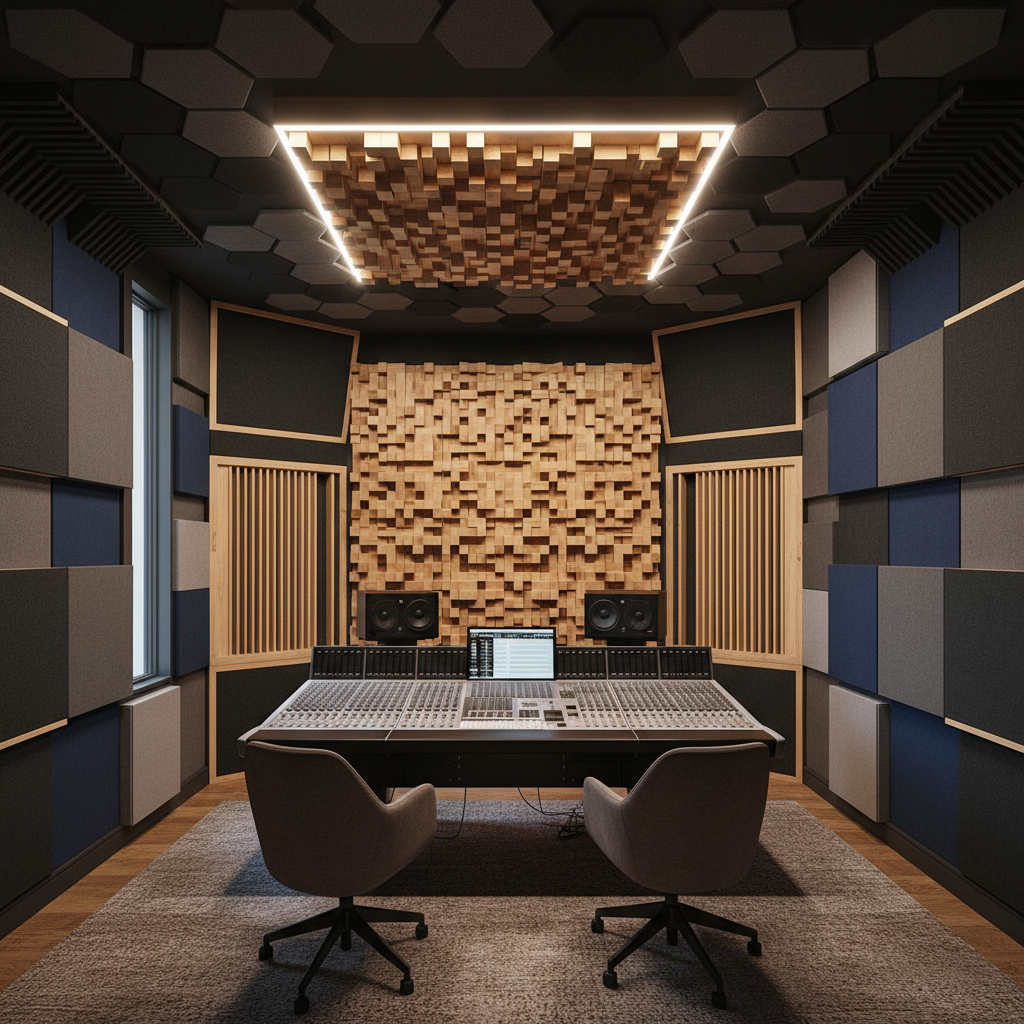
Sound treatment refers to the process of managing sound reflections and absorption within a given space, ultimately contributing to improved clarity and communication. According to a report by the Acoustical Society of America, well-treated environments can reduce echo and reverberation by up to 90%, providing significant benefits for activities ranging from music production to conference calls. By exploring the ten best sound treatment solutions outlined in this article, readers will gain insights into how to achieve a balanced acoustic environment that enhances their auditory experiences and overall comfort.
Choosing the Right Acoustic Panels for Your Space
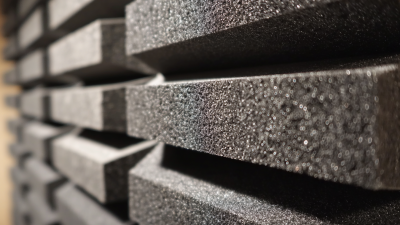
When selecting acoustic panels for your space, it’s essential to consider both functionality and aesthetics. The right panels can significantly improve sound quality by reducing unwanted noise and echo. Start by assessing your environment—are you aiming to dampen sound in a home theater, a recording studio, or perhaps an open office space? Each setting requires a different approach. For instance, thicker panels are often more effective in absorbing low frequencies, while smaller or flatter panels might suffice for higher frequencies.
Next, think about the material and design of the acoustic panels. Options range from fabric-wrapped foam to wooden slats that not only absorb sound but also serve as decorative elements. Choosing colors and patterns that complement your interior décor can transform functional sound treatment into an aesthetic enhancement. Don't forget to check the NRC (Noise Reduction Coefficient) rating of the panels you consider, as it provides insight into their effectiveness in sound absorption. By carefully evaluating your specific needs and the characteristics of the panels, you can create a perfectly balanced acoustic environment tailored to your space.
10 Best Sound Treatment Solutions for a Perfect Acoustic Environment
| Solution |
Type |
Material |
Effectiveness |
Price Range |
| Acoustic Foam Panels |
Absorption |
Polyurethane |
High |
$50 - $200 |
| Bass Traps |
Bass Control |
Fiberglass |
Very High |
$100 - $400 |
| Diffusers |
Diffusion |
Wood or Plastic |
Moderate |
$75 - $300 |
| Acoustic Curtains |
Absorption |
Heavy Fabric |
High |
$30 - $150 |
| Ceiling Clouds |
Absorption |
Acoustic Fabric |
Very High |
$200 - $500 |
| Wall Panels |
Combination |
Wood, Foam |
High |
$100 - $350 |
| Portable Panels |
Absorption |
Foam |
Moderate |
$50 - $150 |
| Acoustic Flooring |
Reflection Control |
Carpet, Underlay |
High |
$200 - $1000 |
| Soundproofing Sealants |
Sound Isolation |
Latex, Silicone |
Moderate |
$10 - $50 |
Effective Soundproofing Techniques for Home Studios
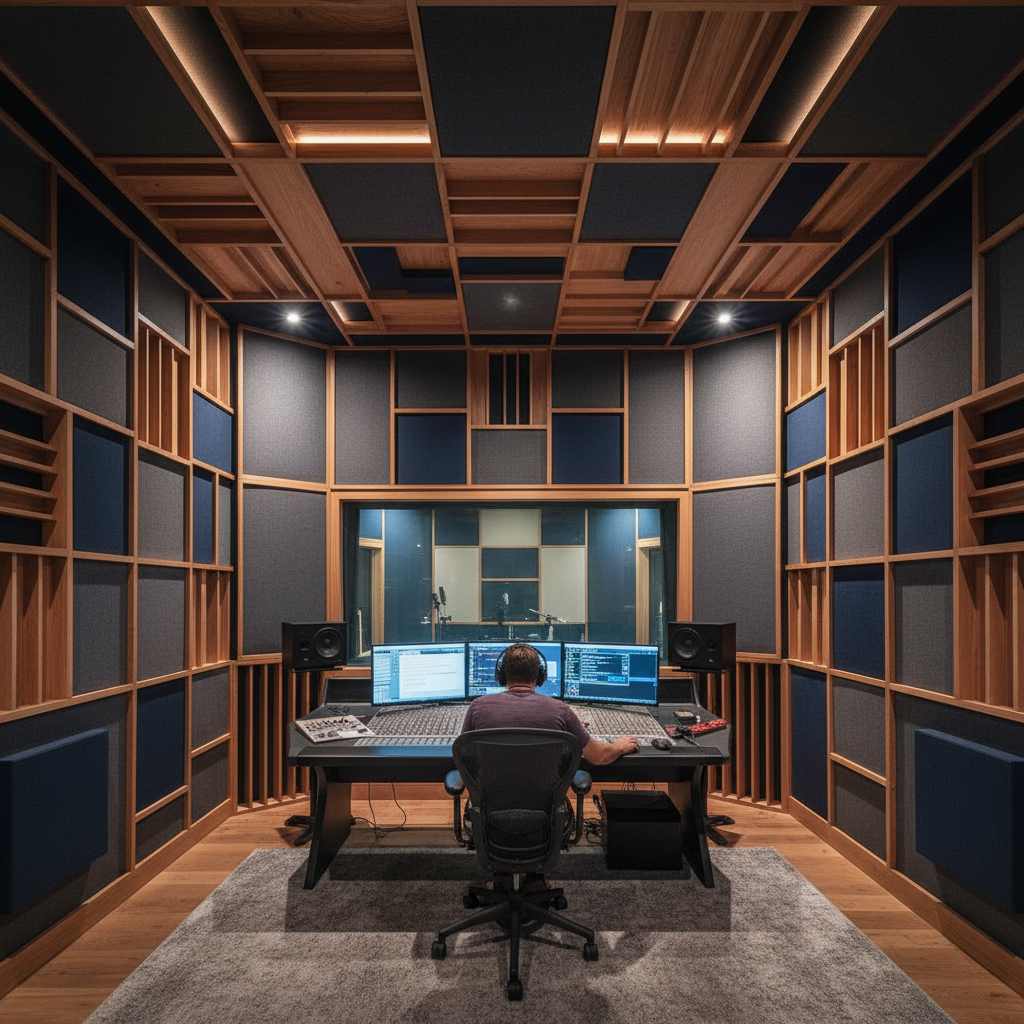
Creating an optimal acoustic environment is essential for home studios, particularly for musicians and podcasters. Effective soundproofing techniques can significantly enhance the quality of recordings by minimizing external noise interference. One of the primary methods is to use soundproofing materials like acoustic panels and bass traps. These materials absorb sound waves and reduce echoes, allowing for clearer audio capture. Installing these panels strategically on walls, ceilings, and corners can dramatically alter the studio's sound profile and create a more controlled listening space.
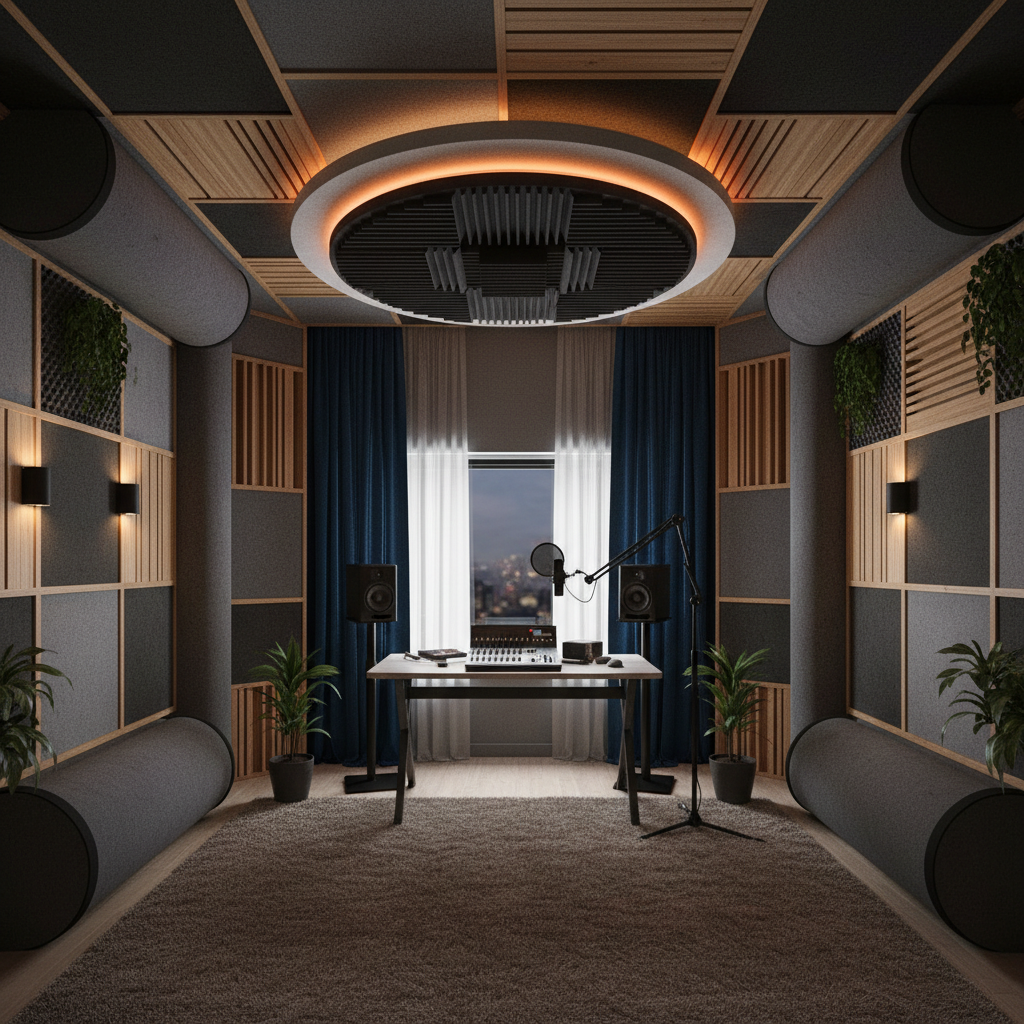
Additionally, sealing gaps around doors and windows is a crucial step in soundproofing. Weather stripping and acoustic caulk can help eliminate sound leaks, ensuring that outside noise doesn’t disrupt the recording process. For more extensive sound treatments, adding heavy curtains or double-glazed windows can also be beneficial. These techniques, when combined with thoughtful layout and design, will result in a home studio that not only excels in sound quality but also provides a comfortable and inspiring environment for creativity.
10 Best Sound Treatment Solutions for a Perfect Acoustic Environment
Improving Room Acoustics with Bass Traps
When aiming to improve room acoustics, particularly in environments where sound quality is crucial, the implementation of bass traps is essential. Bass frequencies, typically between 20-200 Hz, can become problematic in small spaces, resulting in muddy sound and reduced clarity. According to a study by the Audio Engineering Society, poorly treated spaces can experience up to a 30% loss in perceived audio quality, primarily due to excessive low-frequency buildup. This is where bass traps come into play, effectively mitigating these low-end issues by absorbing and redistributing sound waves.
Bass traps are designed to target low-frequency resonances that accumulate in corners and along walls, where sound waves reflect and interfere with one another. High-density foam or fiberglass constructions allow these traps to absorb sound energy rather than letting it bounce back into the room. According to a report by Sound on Sound, rooms equipped with bass traps can achieve a flat frequency response significantly quicker, leading to clearer vocals and sharper instrumentals. The investment in proper sound treatment, particularly through the use of bass traps, enhances not only the listening experience but also the accuracy for recording and mixing music, providing benefits that are widely recognized by industry professionals.
DIY Sound Treatment Solutions for Budget-Conscious Audiences
Creating an ideal acoustic environment on a budget can be a rewarding challenge. Many individuals are unaware that effective sound treatment solutions can often be achieved with everyday materials and a little creativity. For instance, using thick blankets or moving pads can help dampen sound reflections in a room. Simply hanging these materials on walls or even using them to cover windows can significantly reduce unwanted echo and improve sound clarity.
Another budget-friendly solution is to repurpose furniture. Bookcases filled with books can serve as excellent sound diffusers, while strategically placed cushions and soft furnishings absorb sound and reduce noise. Additionally, DIY acoustic panels made from materials like foam or even old mattresses can be both effective and economical. By setting aside some time and using these innovative solutions, anyone can enhance their listening environment without breaking the bank.
Utilizing Soft Furnishings to Enhance Sound Quality
In creating an optimal acoustic environment, soft furnishings play a pivotal role in enhancing sound quality. According to the Acoustical Society of America, soft materials like textiles can absorb sound waves, significantly reducing echoes and background noise. For instance, upholstered furniture, curtains, and carpets can lower reverberation time (RT), facilitating clearer sound transmission in both residential and commercial spaces. Reports indicate that environments with a RT of less than 0.6 seconds provide a noticeably better auditory experience, particularly in music and speech.
Incorporating elements like heavy drapes and plush rugs not only contributes aesthetically but also serves functional acoustic purposes. Studies from the National Institute of Standards and Technology suggest that a well-furnished room can improve sound clarity by up to 30%, making it essential for environments such as recording studios, home theaters, or even open-plan offices. By thoughtfully selecting and arranging soft furnishings, interior spaces can transform into sound-friendly environments, allowing for richer, more immersive auditory experiences.