What is Ceiling Noise Reduction and How Does It Work?
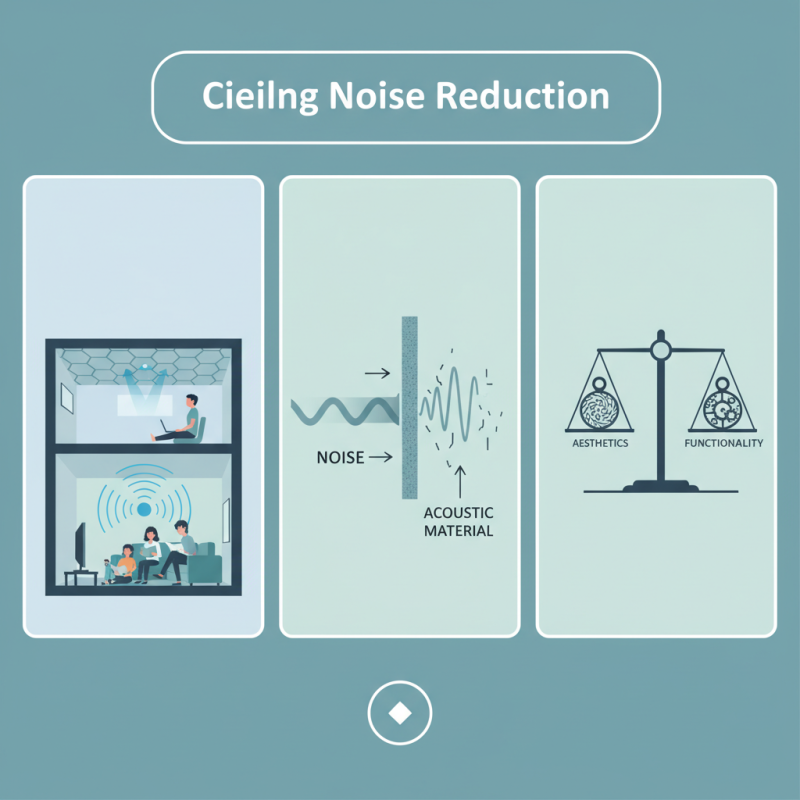
Ceiling noise reduction is essential for creating a peaceful environment. Many places, from offices to homes, struggle with excessive noise. Understanding how ceiling noise reduction works is crucial for improvement.
The primary goal is to minimize sound transmission through ceilings. Acoustic tiles play a significant role in dampening sound waves. These materials absorb noise, offering a quieter atmosphere. However, not all ceiling treatments are equally effective. Some solutions may not meet specific needs, leading to frustration.
Awareness of ceiling noise reduction can help individuals make better choices. It's important to consider the unique acoustic challenges of each space. Investing in proper materials can enhance comfort and productivity. Yet, finding the right balance between aesthetics and functionality can be a complex task.
Understanding the Basics of Ceiling Noise Reduction
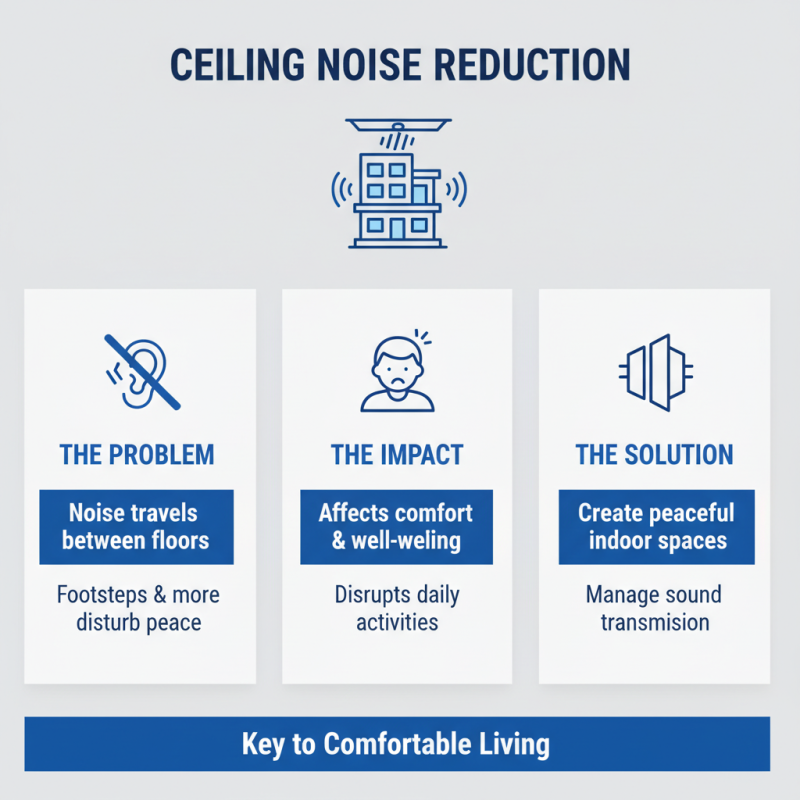
Ceiling noise reduction is essential for creating comfortable indoor spaces. It addresses sounds that travel between floors in multi-story buildings. These noises can disturb daily activities and affect our well-being. For instance, footsteps from above can be quite annoying. By understanding how sound travels, we can effectively manage these disturbances.
One effective method is installing acoustic tiles on the ceiling. These tiles absorb sound waves. While they can reduce noise, they often leave some echoes. In older buildings, the problem can become even more complicated. Adding insulation between floors could help, but it may be difficult to implement without proper evaluation.
Another option is to use rugs and soft furniture. They help dampen sounds from below. Yet, this method might not sufficiently address more intrusive noise. When considering ceiling noise reduction, it’s vital to assess the environment thoroughly. Just focusing on one solution may not yield the desired results. Balancing aesthetics with functionality is also a challenge that many face.
The Science Behind Noise Transmission Through Ceilings
Noise transmission through ceilings is a critical concern in building design. The science behind this phenomenon involves sound waves traveling from one space to another. When sound waves hit a ceiling, they can be transmitted through materials, causing disturbances in adjacent rooms. Studies indicate that sound can travel through various ceiling constructions at different frequencies. For example, low-frequency sounds penetrate building materials more effectively than high-frequency sounds.
Acoustic measurements show that materials like gypsum board and mineral fiber tiles can significantly reduce ceiling noise. A report from the Acoustic Society notes that these materials can provide a Noise Reduction Coefficient (NRC) as high as 0.95. However, not all ceiling designs achieve this level of sound insulation. Flaws in installation or the choice of materials may result in insufficient noise reduction. Gaps or cracks in the ceiling assembly can lead to unwanted noise transfer, undermining the effectiveness of otherwise high-performance materials.
Another area for reflection is the influence of building structure on sound transmission. Open floor plans can exacerbate noise issues, as sound waves travel freely between spaces. In residential buildings, proper design considerations are essential. Overlooking the importance of ceiling acoustics could lead to a noisy environment. Various studies suggest that even minor adjustments in material choices or installation techniques can enhance soundproofing. It's crucial to balance aesthetics and acoustics to create serene living spaces.
Ceiling Noise Reduction Comparison
This chart illustrates the effectiveness of various ceiling materials in reducing noise transmission. The materials include Acoustic Tiles, Gypsum Board, and Fiberglass Insulation. The Noise Reduction Coefficient (NRC) ratings are used to represent their sound absorption capabilities.
Effective Materials for Enhancing Ceiling Noise Reduction
When considering ceiling noise reduction, the choice of materials plays a crucial role.
Acoustic panels and ceiling tiles can significantly lower sound levels in a room.
According to the National Institute of Standards and Technology, effective acoustic materials can reduce noise transmission by up to 85%.
Choosing the right materials is essential for optimal sound absorption.
Mineral fiber ceilings are popular for their sound-dampening properties. They can absorb up to 80% of ambient noise.
Another option is drywall with special acoustical insulation.
This combination can be 50% more effective than standard drywall alone. The aesthetics of the materials should also be considered, as they can impact the overall ambiance of a space.
However, many people overlook the installation process. Proper installation is key to maximizing the benefits of these materials.
Gaps and improper sealing can lead to sound leakage. It’s essential to pay attention to detail during installation.
Sometimes, even small mistakes can reduce noise reduction effectiveness.
Techniques for Installing Noise-Reducing Ceiling Systems
When considering noise reduction in ceilings, specific installation techniques matter greatly.
Acoustic tiles are a popular choice. They can significantly reduce sound transmission between floors. According to a study from the National Institute of Health, well-installed acoustic ceilings can lower noise levels by up to 30 decibels. This reduction greatly enhances comfort in residential and commercial spaces.
Another effective technique is using resilient channels. These metal channels create a decoupling effect, meaning vibrations are less likely to travel through the ceiling structure. Some reports suggest this method can improve sound isolation by nearly 40%. However, improper installation can lead to gaps that may negate the benefits of the noise-reducing materials.
Insulation plays a critical role too. Adding sound-absorbing insulation between ceiling joists enhances overall performance. This layer can have a substantial impact on reducing airborne noise. Yet, many overlook proper insulation thickness. Thin insulation may not offer the desired results, highlighting the need for a careful approach. Each installation technique has its complexities and potential pitfalls, emphasizing the importance of quality workmanship.
Applications and Benefits of Ceiling Noise Reduction Solutions
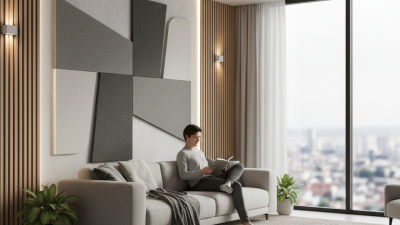
Ceiling noise reduction solutions are gaining traction in various settings. They are vital in offices, schools, and homes where noise can be disruptive. By absorbing sound and minimizing echoes, these solutions create a more peaceful environment. They're not just functional; they can also enhance the aesthetics of a space.
Tips: Consider acoustical panels that blend with your interior design. You can also explore ceiling tiles designed to reduce sound. Installing these features can be a DIY project, but don’t hesitate to consult a professional for best results.
In healthcare facilities, noise reduction solutions play a crucial role. They provide patients with a better healing environment. Reducing overhead noise ensures that patients can rest, which is essential for recovery. In restaurants, these solutions can create a more enjoyable dining experience. Lower noise levels allow for better conversations.
Tips: Evaluate the specific needs of your environment. Identify problem areas where noise is most intrusive. Sometimes, simple adjustments can lead to significant improvements. Don't ignore the importance of taking measure of sound levels regularly.
What is Ceiling Noise Reduction and How Does It Work? - Applications and Benefits of Ceiling Noise Reduction Solutions
| Application |
Noise Reduction Rating (NRR) |
Material Type |
Benefits |
| Office Spaces |
25 dB |
Acoustic Tiles |
Enhanced focus, Reduced distractions |
| Educational Institutions |
30 dB |
Mineral Fiber Panels |
Improved learning environment |
| Healthcare Facilities |
35 dB |
Gypsum Board |
Patient comfort, Enhanced privacy |
| Hospitality |
28 dB |
Acoustic Plaster |
Better guest experience, Noise reduction in public areas |
| Residential Spaces |
32 dB |
Soundproof Ceiling Panels |
Increased privacy, Enhanced comfort |