How to Choose the Best Recreational Vehicle for Your Needs?
Choosing the right Recreational Vehicle (RV) can be daunting. With many options available, it’s crucial to assess your needs carefully. According to RV industry expert Greg Gerber, "Finding the perfect RV is about understanding your lifestyle and travel expectations." His insights highlight that not every RV suits every traveler.
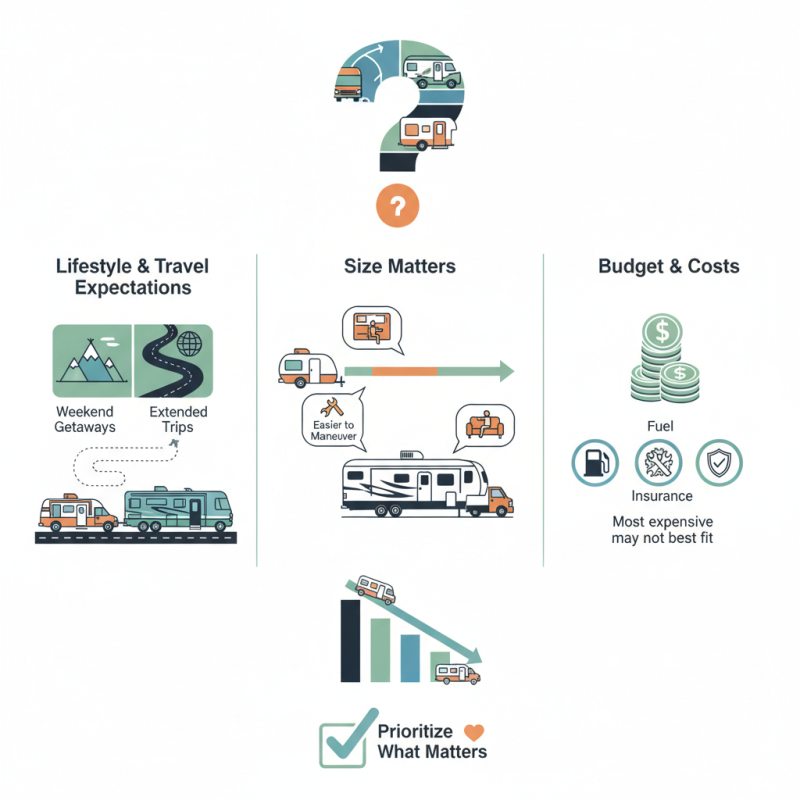
When considering an RV, think about how you plan to use it. Will it be for weekend getaways or extended trips? Size matters significantly. Smaller RVs are easier to maneuver but may lack space. Larger models provide comfort but can be cumbersome. Each option has pros and cons that deserve reflection.
Another factor is budget. RVs vary widely in price, and hidden costs can arise. Maintenance, insurance, and fuel expenses should be part of your calculations. It's vital to remember that the most expensive RV may not be the best fit. Prioritizing what matters most can guide your decision, ensuring you choose an RV that complements your lifestyle.
Understanding Different Types of Recreational Vehicles Available
Choosing the right recreational vehicle (RV) involves understanding the different types available. RVs vary widely in size, amenities, and intended use. Your choice will depend on your travel style and needs.
Class A motorhomes are spacious and often luxurious. They offer plenty of living space and are great for families. However, their size makes them costly to operate and navigate. Consider how often you will be using your RV. Will you be parking at campgrounds or on the road?
Travel trailers are another popular choice. They are towed by a vehicle, allowing flexibility. These units often provide a cozy atmosphere. However, you must match the trailer weight with your towing vehicle. This adds complexity to the decision-making.
Tips: Always evaluate your budget. Consider both purchase price and maintenance costs. Check for user reviews on the specific RV types. Test driving can give insight into handling and comfort. Don't rush; reflect on what features matter most. Each RV has its pros and cons. Choose wisely.
Assessing Your Travel Needs and Lifestyle Preferences
Choosing the right recreational vehicle requires careful consideration of your travel needs and lifestyle preferences. Think about how often you plan to travel. Are you a weekend warrior or a full-time nomad? Your lifestyle will determine the type of RV that fits best. A smaller camper is great for couples or small families. Larger motorhomes accommodate bigger groups comfortably.
Consider what amenities are crucial for your trips. Do you need a kitchen space for cooking? Or perhaps a bathroom is essential for longer travels. Each added feature impacts the vehicle's size and weight. Also, think about where you will be parking or camping. Some places have restrictions on larger RVs. This might influence your choice.
Reflect on your comfort level with driving. Some RVs are easier to handle than others. If you're unsure, a smaller model can boost your confidence. There are many options available. Take your time researching different types, and envision how they fit into your adventures. The right choice will enhance your travel experiences.
Evaluating Budget Considerations for Purchasing an RV
When considering the purchase of a recreational vehicle, assessing your budget is crucial. Determine your maximum expenditure early on. Factor in initial costs, maintenance, and ongoing expenses. Many overlook hidden fees like insurance or storage costs. Estimate fuel expenses based on your travel plans.
Budgeting for an RV isn't just about the upfront cost. Monthly payments can be significant. Be realistic about what you can afford long-term. Don’t forget to include campsite fees and any upgrades you might need. These can add up quickly.
The decision-making process might feel overwhelming. It’s okay to feel uncertain about specifications or needs. Research is vital, but not all information is reliable. Consider seeking advice from experienced RV owners. Their real-world insights can illuminate aspects often missed in research. Reflect on your true priorities and how they align with your financial situation.
Researching Features and Amenities for Comfort and Convenience
When selecting a recreational vehicle (RV), understanding features and amenities is essential for comfort and convenience. Consider the layout carefully. A well-designed interior can make a big difference. Think about how many people you travel with. Space for everyone to move is important. Listen to your needs. A small kitchenette for quick meals is beneficial. A cozy sleeping area adds to your enjoyment.
Pay attention to essential amenities. Storage options can significantly influence your experience. Adequate storage for gear is valuable for long trips. Indoor plumbing is another convenience that should not be overlooked. Working toilets and showers greatly enhance comfort. Electrical systems and climate control also matter. Look for efficient heating or cooling units based on your travel destinations.
Reflect on your priorities. Some may prioritize luxury, while others want a rugged, off-grid experience. Not every feature is necessary for every traveler. Sometimes, a simpler RV suffices. Finalizing the best choice involves balancing desired features with practical needs. Focus on what enhances your travels and shapes your adventures.
Considering Maintenance and Operational Costs of RV Ownership
When considering the operational costs of RV ownership, monthly expenses can pile up quickly. According to the RV Industry Association, the average yearly maintenance cost for a recreational vehicle ranges from $1,000 to $2,500. This includes routine check-ups, tire replacements, and plumbing maintenance. Owners often overlook these ongoing costs, which should factor into their budget when choosing an RV.
Fuel costs also represent a significant part of ownership. A study by the American Automotive Association reveals that RVs typically get between 5 to 10 miles per gallon. For long trips, fuel expenses can exceed thousands of dollars annually. Many individuals don’t account for these variables, leading to financial strain during peak travel seasons. To alleviate this, planning routes carefully and considering fuel-efficient models is vital.
Insurance costs add another layer of complexity. Coverage can vary widely, depending on the RV type and its use. Owners often report spending between $800 and $2,000 annually on insurance. These costs, combined with maintenance and fuel, impact the overall ownership experience. It’s crucial to calculate these expenses early, as they can significantly affect your travel plans and enjoyment.
How to Choose the Best Recreational Vehicle for Your Needs?
Considering Maintenance and Operational Costs of RV Ownership
| RV Type | Initial Cost (USD) | Maintenance Cost (Annual) | Fuel Efficiency (MPG) | Insurance Cost (Annual) | Depreciation Rate (5 Years) |
| Class A Motorhome | $100,000 | $2,000 | 8 | $1,200 | 20% |
| Class B Camper Van | $70,000 | $1,500 | 18 | $800 | 15% |
| Class C Motorhome | $85,000 | $1,800 | 12 | $1,000 | 18% |
| Travel Trailer | $30,000 | $800 | N/A | $500 | 25% |
| Fifth Wheel | $40,000 | $900 | N/A | $600 | 22% |