How to Choose the Best Acoustic Board for Your Home Soundproofing Needs?
When it comes to soundproofing your home, selecting the right acoustic board is crucial. John Smith, an acoustic design expert, emphasizes, “Choosing the right acoustic board transforms sound quality in any space.” This statement highlights the importance of making informed decisions for effective sound management.
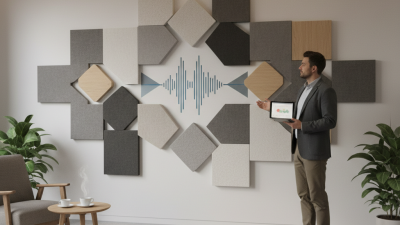
Acoustic boards come in various materials, sizes, and densities. Each option offers unique benefits, such as sound absorption and diffusion. Consider your specific needs, like reducing noise from neighbors or enhancing your home theater experience. It's often tempting to pick the cheapest option, but this could compromise sound quality.
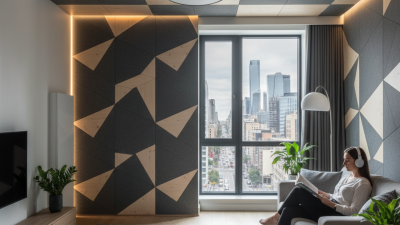
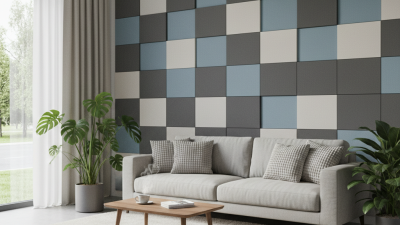
Many homeowners overlook aesthetic appeal when selecting acoustic boards. Integrating stylish designs can enhance your room's decor. Remember, the right choice balances functionality with visual appeal. Seek recommendations and compare products to find what suits you best. Reflect on your specific soundproofing challenges, and approach the selection process thoughtfully.
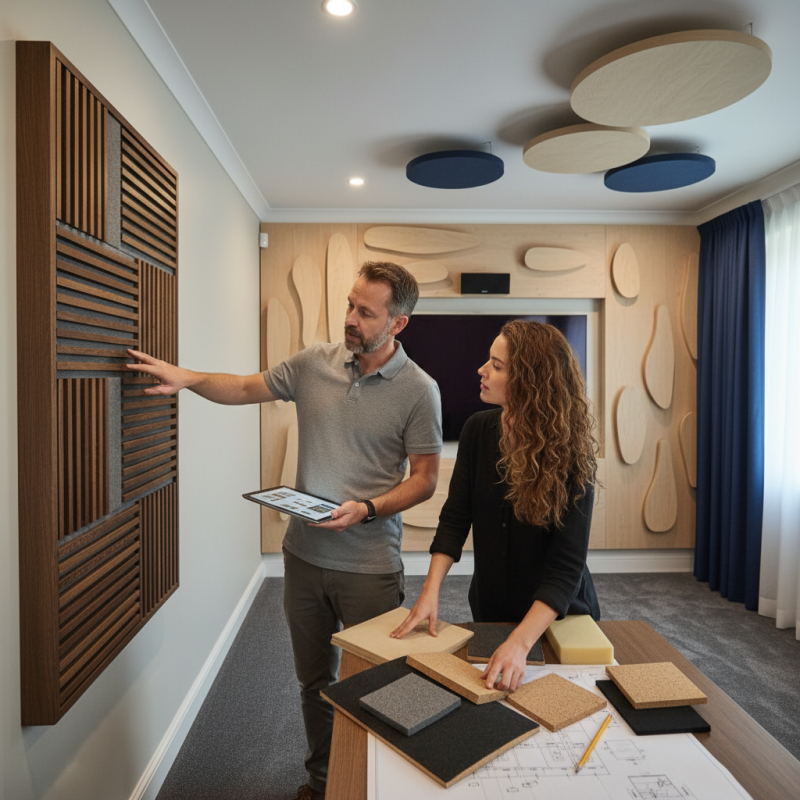
Factors to Consider When Selecting Acoustic Boards for Soundproofing
When selecting acoustic boards for soundproofing, several factors come into play. The material composition is key. High-density materials like mineral wool can absorb sound effectively. In contrast, lighter materials may not provide the same level of soundproofing. Consider the thickness as well. Thicker boards tend to block more sound, making them a better choice for noisy environments.
Installation is another important factor. Some boards require professional installation, while others can be easily mounted by homeowners. DIY options are often more cost-effective. A careful look at the space is crucial too. Rooms with hard surfaces, like tiles or glass, may need additional sound absorption. Acoustic boards can complement other soundproofing techniques effectively.
Lastly, aesthetics shouldn't be overlooked. Acoustic boards come in various designs and colors. They can enhance the room's décor while serving their primary function. It's essential to balance functionality with style. Remember, no solution is perfect. Testing different options can lead to better results over time.
Types of Acoustic Boards: An Overview of Materials and Their Properties
When selecting an acoustic board for soundproofing, it's essential to understand the various types available. Acoustic boards are primarily made from materials like foam, wood fiber, and mineral wool. Each material has unique properties that suit different environments. For example, foam boards offer excellent sound absorption and are lightweight. On the other hand, wood fiber boards tend to provide better insulation and durability.
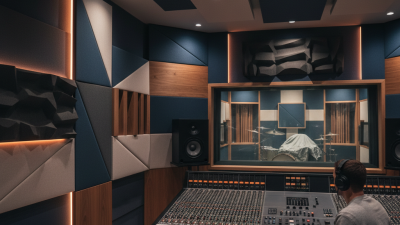
A study by the Acoustical Society of America highlighted that mineral wool boards can reduce noise by up to 70% in certain applications. This makes them ideal for use in music studios or home theaters. However, some homeowners may overlook the installation complexity of these boards. Proper installation is crucial for maximizing their effectiveness. Mistakes in positioning can lead to sound leaks and reduced performance.
It’s also important to consider aesthetics. Some acoustic boards feature attractive designs, while others may look utilitarian. Depending on personal taste, this could be a deciding factor. Yet, striking a balance between functionality and appearance can be challenging. Homeowners often find themselves doubting whether they’ve made the right choice. Understanding the properties of each material helps in making an informed decision, leading to better soundproofing outcomes.
Understanding NRC Ratings: How to Evaluate Sound Absorption Efficiency
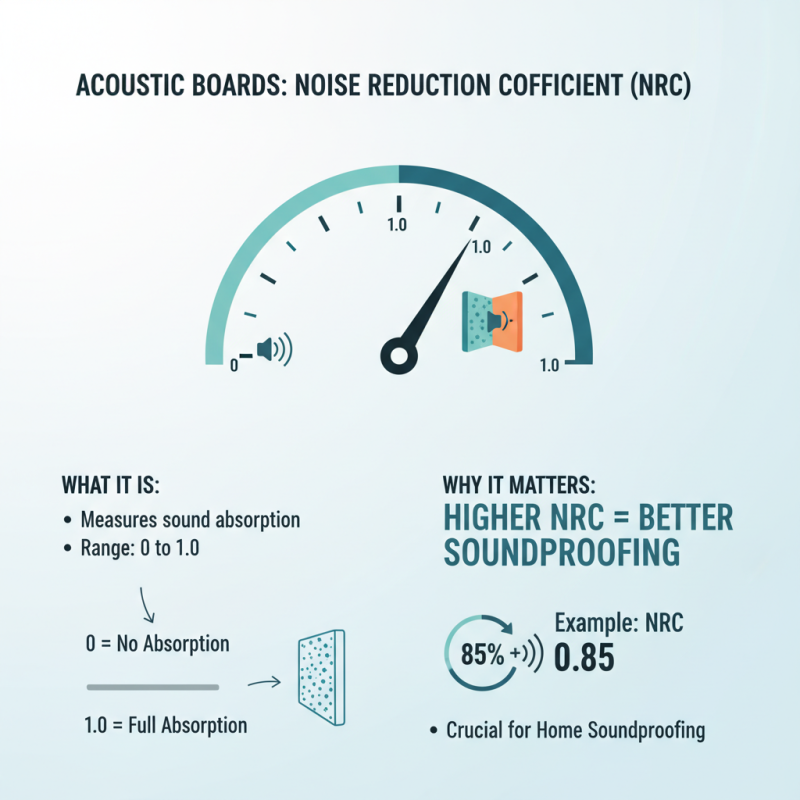
When choosing acoustic boards, understanding Noise Reduction Coefficient (NRC) ratings is essential. NRC measures how well a material absorbs sound. It ranges from 0 to 1, with higher values indicating better absorption. For instance, a board with an NRC rating of 0.85 can absorb 85% of sound energy. This is a crucial factor for home soundproofing.
Not all rooms are the same. The sound waves behave differently in each environment. Some areas may require higher absorption to reduce noise effectively. In many cases, homeowners overlook these specifics. They may purchase boards based only on appearance. However, aesthetics should not outweigh functionality.
Selecting the right acoustic board means considering your unique space. Evaluate how sound moves in your room. Use NRC ratings as a guide, but don’t rely solely on them. Every home is different. What works in one may not work in another. Take the time to test and listen. Experiment with different materials and configurations. It can feel overwhelming, but that’s part of the process of creating the ideal sound environment.
Installation Techniques for Optimal Acoustic Performance in Home Settings
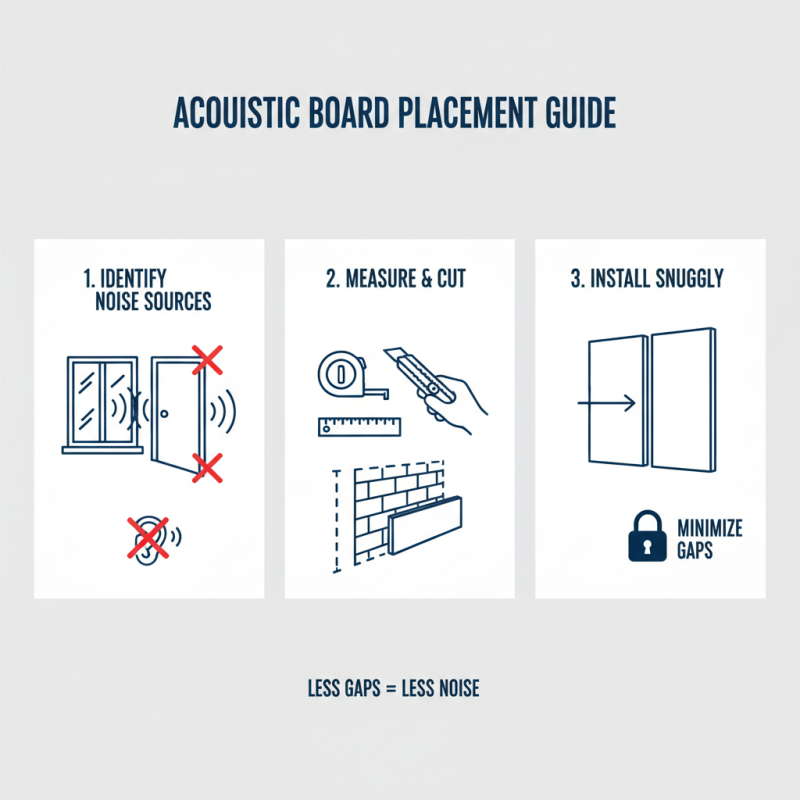
When considering acoustic board installation, placement is key. Start by identifying areas with excessive noise. Common culprits are near windows and doors. Measure the space accurately. Cut the boards to fit snugly. This will help minimize gaps. Gaps allow sound to sneak through.
Using adhesive can simplify the process. Apply it evenly on the back of the board. Press firmly against the wall. Ensure you're aligning it straight. If not, you may need to start over. This can be frustrating, but it’s essential for effectiveness. Remember to leave some space between boards. This helps with sound absorption.
Don't overlook ceiling installations. They can greatly reduce echo. Typically, sound waves bounce off hard surfaces. Padded boards can absorb these waves. Use a ladder for safe installation. Secure them tightly. Double-check the angles and alignment. Mistakes can lead to uneven coverage, compromising performance. Pay attention to details. Small adjustments can make a significant difference.
Comparing Cost-Effectiveness of Different Acoustic Board Solutions
When evaluating acoustic board solutions, consider the cost-effectiveness of each option. Acoustic panels vary widely in price and quality, affecting their soundproofing capabilities. Budget-friendly boards may sound appealing. However, they often lack durability and efficiency. Cheaper panels might require more frequent replacement, adding to long-term costs.
Quality materials provide superior sound dampening. They can absorb more sound waves and last longer. On the flip side, high-end boards may initially strain your budget. Yet, they could prove cost-effective by saving you money in the long run. Investing in better materials now can prevent future disappointments and expenses.
Installation costs should also be factored in. Some boards are easy to install, while others need professional help. DIY installation saves money, but it’s not always straightforward. Be aware of your skill level before committing. Researching various installation methods can provide clarity, but results may vary. Making the right choice requires careful reflection on both initial and ongoing expenses.