+1 877-337-9312 | sale@sflbuild.com

Blog

How to Choose the Best Sound Absorption Panels for Your Space?

Creating a comfortable and productive environment hinges on managing acoustics effectively. Sound absorption panels play a crucial role in this process. These panels help reduce noise levels, creating a serene space. When selecting sound absorption panels, it is essential to consider various factors.

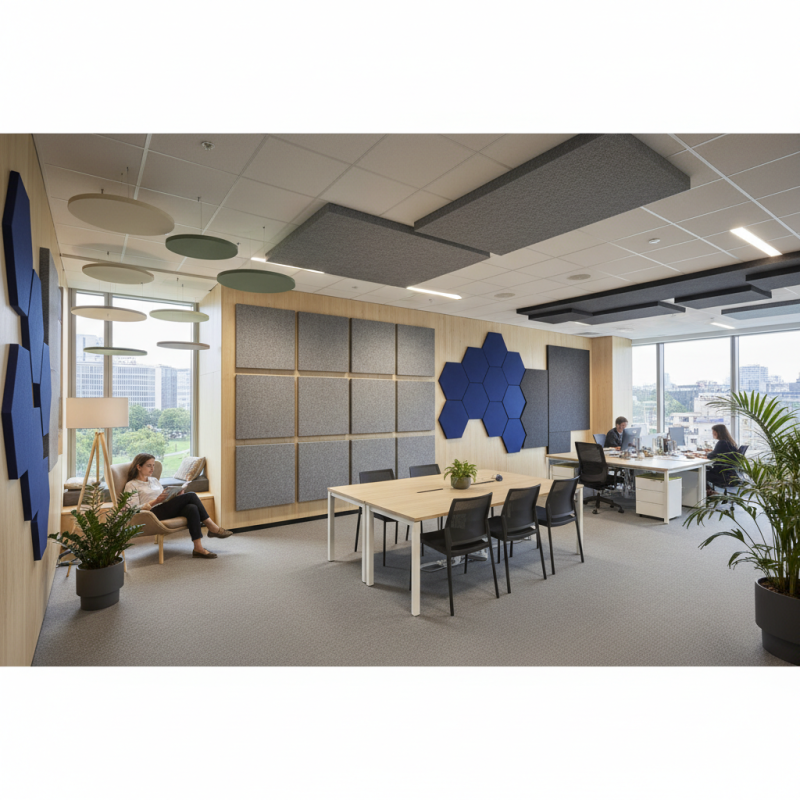
The ideal panels should match your room's size and purpose. For example, a bustling office may require thicker panels to dampen the hustle and bustle. In contrast, a quiet reading nook might only need lightweight options. Aesthetic consideration is equally important. The panels should blend seamlessly with your decor while enhancing sound quality.

Finding reliable information is paramount. Research reputable brands known for their quality products. Look for reviews that provide insight into user experiences. Remember, the effectiveness of sound absorption panels often depends on proper installation. Assessing your specific needs will guide you in making an informed choice.
How to Choose the Best Sound Absorption Panels for Your Space?

Factors to Consider in Selecting Sound Absorption Panels for Your Space

When selecting sound absorption panels for your space, several factors should be considered. The material of the panels plays a critical role. Common materials include fiberglass, foam, and mineral wool. According to industry reports, fiberglass panels can reduce sound transmission by up to 25%. Foam panels, while lighter, typically provide less effective sound absorption.

The thickness of the panels is another key consideration. Thicker panels generally absorb more sound, especially lower frequencies. Research indicates that panels with a thickness of 2 inches can absorb up to 80% of sound at certain frequencies. Yet, sometimes thicker is not always better. Overly large panels can overwhelm smaller rooms and create a visually cluttered space.

The placement of the panels is integral to their performance. Strategic placement can yield significant improvements in acoustics. For example, placing panels at first reflection points maximizes sound control. Additionally, one must consider aesthetics. Sound panels should harmonize with your decor. Not doing so can lead to an environment that feels inconsistent or uninviting. Balancing function and design is crucial for a successful installation.

How to Choose the Best Sound Absorption Panels for Your Space?

Factor Description Recommended Material Installation Method Cost Range
Acoustic Performance Evaluates the ability of panels to absorb sound frequencies. Foam, Fabric Wall-mounted, Ceiling-mounted $30 - $150 per panel
Aesthetic Appeal How well panels complement the decor of the space. Wood, Fabric wrapped Wall-mounted, Free-standing $50 - $200 per panel
Size and Coverage Determines the number of panels needed based on space dimensions. Acoustic tiles Adhesive, Grid system $20 - $100 per tile
Durability Longevity and resistance to wear of materials. Mineral wool, Foam Wall-mounted $40 - $120 per panel
Noise Reduction Coefficient (NRC) Measures how much sound a material can absorb. Fabric, Acoustic fiberglass Wall-mounted, Suspended $25 - $130 per panel

Understanding the Different Types of Sound Absorption Materials Available

When selecting sound absorption panels, it's crucial to understand the various materials available. Different materials serve diverse acoustic needs. For instance, foam panels are lightweight and effective in high-frequency sound absorption. Per industry reports, they can absorb up to 80% of sound waves in a room, significantly improving acoustics.

In contrast, fabric-wrapped panels offer aesthetic appeal alongside functionality. These can minimize sound reflection and are versatile for various settings, including offices and homes. A study by the Acoustical Society of America highlights that using fabric panels can reduce noise levels by up to 10 decibels in small spaces, making conversations clearer and more focused.

Wooden panels are another popular option. They combine both absorption and diffusion, helping to create a balanced acoustic environment. Experts suggest that wood can effectively reduce echo while adding warmth to a room. Selecting the right material involves assessing specific needs, space design, and desired acoustics. The market is diverse, yet not every material will suit your situation perfectly. Consider compatibility with your interior design and acoustic goals for optimal results.

Evaluating the Acoustic Performance: NRC Ratings Explained

How to Choose the Best Sound Absorption Panels for Your Space?

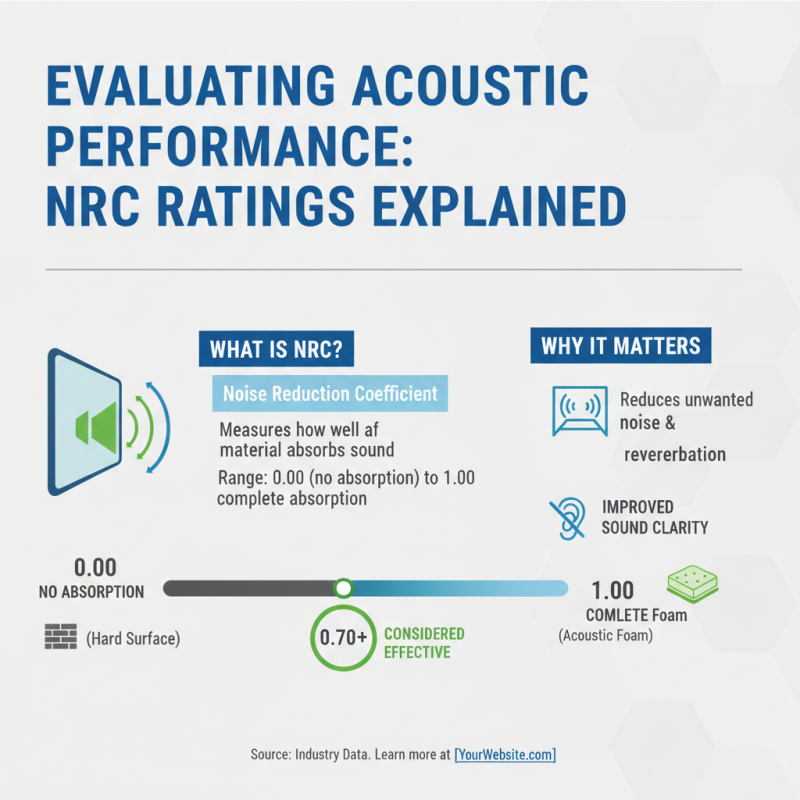
When evaluating sound absorption panels, understanding NRC ratings is essential. NRC, or Noise Reduction Coefficient, measures how well a material absorbs sound. It ranges from 0 to 1. A rating of 0 means no absorption, while a rating of 1 indicates complete absorption. Panels with an NRC of 0.70 or higher are considered effective in reducing unwanted noise. According to industry data, rooms with higher NRC-rated panels experience a significant reduction in reverberation times.

In practical terms, choosing the right NRC rating for your space involves careful consideration of room size and purpose. For instance, a home theater may benefit from panels with an NRC of 0.90. In contrast, a small office may find effectiveness with panels rated around 0.70. Experts suggest using a mix of panels for optimal acoustic performance. However, not all high NRC-rated materials are created equal. Some may perform better in specific frequencies, leading to uneven sound absorption.

Many users overlook the aesthetics of sound absorption materials. It’s important to choose panels that align with your décor. Yet, the focus should remain on their acoustic properties. Balancing style and functionality can be challenging. Frequent adjustments and experiments may be necessary to achieve the desired acoustic environment. Continuous learning about various materials and their performance can lead to improved sound quality. This iterative approach highlights the importance of understanding NRC ratings in your sound absorption panel choices.

Installation Techniques for Optimal Sound Absorption Panel Effectiveness

How to Choose the Best Sound Absorption Panels for Your Space?

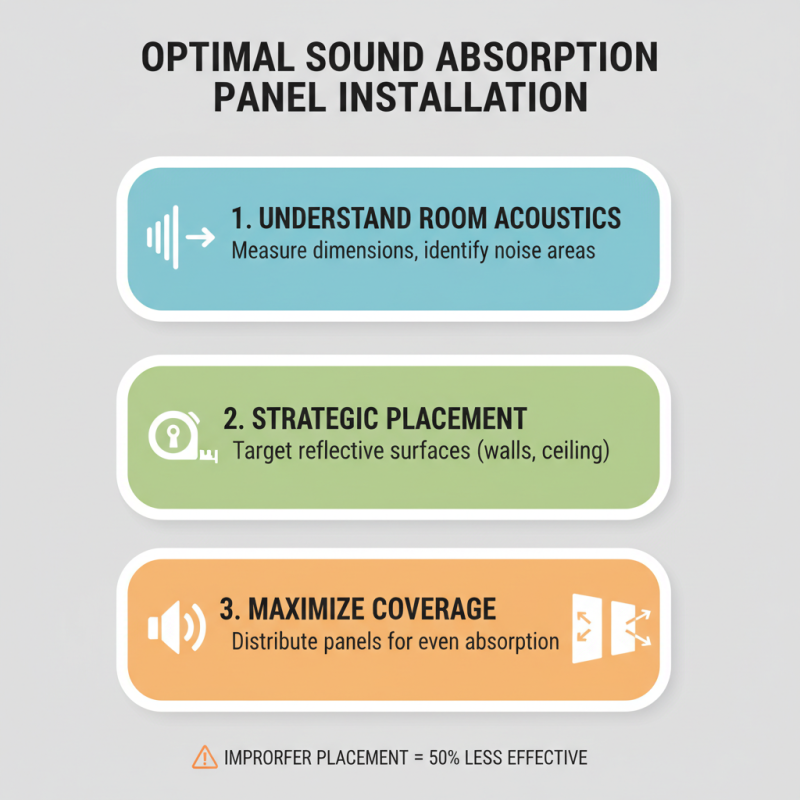
When it comes to sound absorption panels, installation plays a crucial role in effectiveness. Research indicates that improper placement can reduce sound absorption by up to 50%. Understanding your space's acoustics is key. Measure the room's dimensions and identify areas with unwanted noise. This will help determine where panels should be located.

Positioning panels at first reflection points is often recommended. These points are where sound reflects off surfaces before reaching the ears. Placing a panel here can significantly enhance sound control. Most experts suggest mounting panels at least 2-4 feet above the floor for optimal absorption. However, keep in mind that every room is unique. Experimenting with different placements may lead to better results.

Adhesive and mounting hardware are important. Ensure that the chosen materials provide a secure fit. Loose panels may not function efficiently. Industry reports also suggest that larger panels can cover more surface area, enhancing absorption. However, they can also create a bulky look. Balancing aesthetics and functionality is a challenge many face. It's important to find the right configuration for your specific needs.

Cost Analysis: Budgeting for Quality Sound Absorption Solutions

When budgeting for sound absorption solutions, consider both upfront and long-term costs. High-quality panels may seem costly initially, but they can save money in the long run by improving space acoustics. Weigh the cost against the benefits of a quieter environment. You might find that the initial investment leads to better productivity and comfort.

It's crucial to assess your budget accurately. Start by measuring your space. Calculate how many panels you will need based on their coverage. Prices can vary significantly depending on materials. Acrylic panels might be cheaper than fabric-wrapped options, but they may not perform as well in absorbing sound.

Tips:
1. Compare different types of panels. Some may look attractive but offer little absorption.
2. Check for discounts on bulk orders. Purchasing larger quantities can often reduce costs significantly.
3. Look at customer reviews to gauge performance. A less expensive option may not always be the best choice.

Keep in mind that cheap solutions can lead to disappointment. Quality matters over quantity when it comes to sound absorption. Think critically about your needs and weigh different options carefully before deciding.