How to Choose the Best Sound Absorption Panels for Your Space
When it comes to enhancing the acoustics of any space, sound absorption panels play a crucial role. Selecting the right panels can significantly influence the auditory experience by reducing unwanted noise and echo, creating a more pleasant environment whether it's for a home, office, or public venue. Understanding the variety of sound absorption panels available on the market is essential for making an informed decision that aligns with your specific needs.
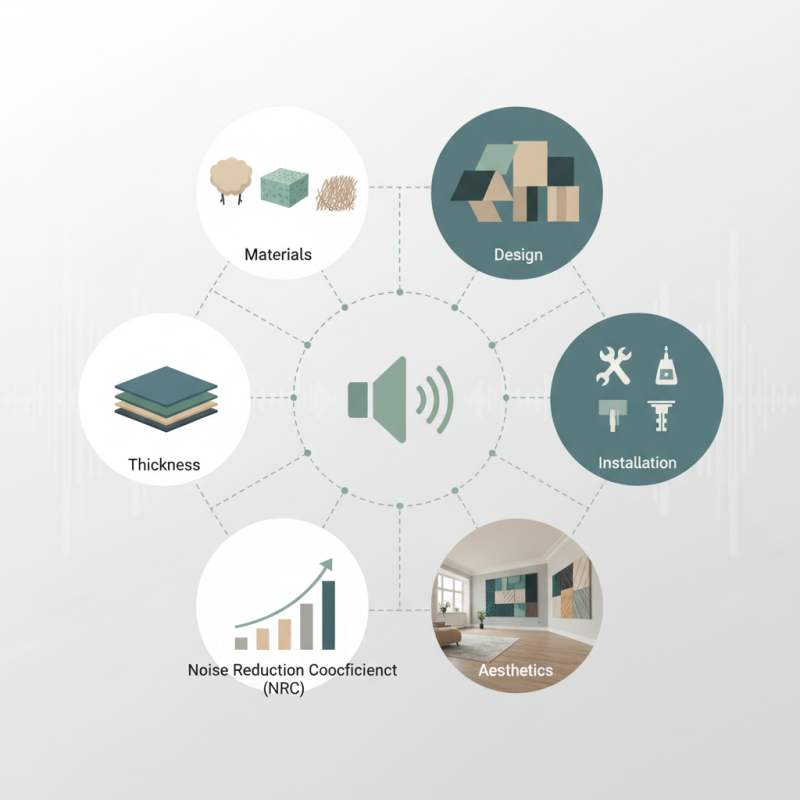
In this article, we will delve into the key factors to consider when choosing sound absorption panels. From materials and thickness to design and installation, each element contributes to the overall effectiveness of the panels in managing sound. Additionally, we will explore how the aesthetic aspect can complement your interior, allowing you to achieve both functional and visual harmony in your space. By the end, you will be equipped with the knowledge to select the best sound absorption panels that not only enhance the acoustics but also elevate the ambiance of your environment.
Understanding Sound Absorption Panels: Key Concepts and Benefits
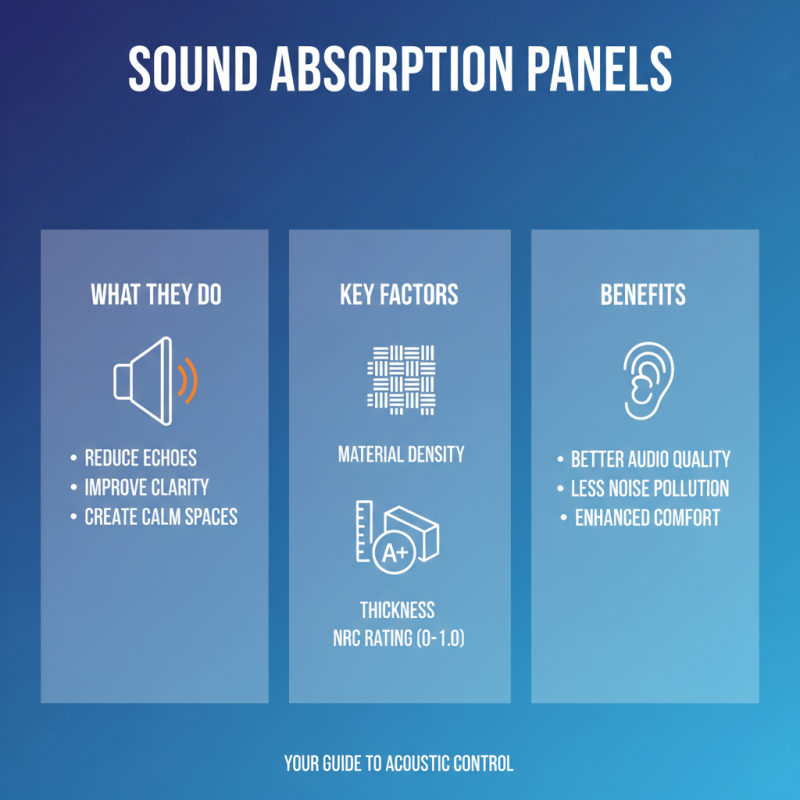
Sound absorption panels are essential components in managing acoustics within various environments, whether in a home, office, or studio. These panels are designed to reduce sound reflections and echoes, which can lead to a more pleasant auditory experience. When selecting sound absorption panels, it is crucial to understand the key concepts that influence their effectiveness, such as material density, thickness, and the NRC (Noise Reduction Coefficient) rating. Higher density and thickness typically correlate with better sound absorption qualities, making it easier to create an acoustically balanced space.
In addition to functionality, the benefits of sound absorption panels extend beyond mere noise control. They can enhance privacy by minimizing sound transfer between rooms, making them a valuable asset in settings where confidentiality is essential. Furthermore, these panels can improve the overall aesthetics of a space, as they come in various designs, colors, and finishes, allowing users to select options that complement their interior decor. By thoughtfully integrating sound absorption panels, one can create an environment that is not only quieter but also more conducive to productivity and relaxation.
Identifying the Specific Acoustical Needs of Your Space
When selecting sound absorption panels for a space, it is essential to first identify the specific acoustical needs of that environment. Different spaces, such as home theaters, offices, or music studios, have unique sound requirements based on their usage and design. According to a report from the Acoustical Society of America, common issues that arise in various environments include excessive reverberation, echo, and noise from external sources. For instance, a study found that reducing reverberation time by 50% can significantly enhance speech intelligibility in conference rooms, making the right choice of sound absorption panels critical for functionality.
Tips: Before making a purchase, assess the dimensions and materials of your space. Hard surfaces, such as tile or concrete, reflect sound, while soft surfaces, like carpets, absorb it. A balance between these materials is vital. Conduct a simple test by clapping in different areas of the room to gauge how sound travels. If the clap echoes longer than desired, it indicates a need for sound-absorbing solutions.
Moreover, consider the panel thickness and density when addressing your acoustical needs. Thicker panels tend to absorb lower frequencies more effectively, which is especially important in spaces where bass-heavy sounds are prevalent. A well-documented study by the National Institute of Standards and Technology confirms that bass frequencies, when left unmanaged, can clutter the mix and create an unpleasant listening experience. Your selection should thus be informed by these acoustic principles to achieve optimal performance.
Materials and Designs: What to Look for in Sound Absorption Panels
When selecting sound absorption panels, the choice of materials plays a crucial role in their effectiveness. Fabric-covered panels, for example, can reduce echo and improve acoustics significantly, as they are designed to absorb sound waves rather than reflect them. Common materials include foam, fiberglass, and mineral wool, each offering unique properties. Foam panels are lightweight and versatile, making them ideal for various spaces, while fiberglass panels are denser and provide superior sound absorption. Additionally, mineral wool panels can offer excellent sound dampening along with fire-resistant properties, making them suitable for commercial environments.
Design also contributes to the overall performance and aesthetics of sound absorption panels. They come in various shapes and colors, allowing you to choose options that complement your interior design while enhancing acoustic performance. Panel thickness is another key factor; thicker panels generally provide better sound absorption. Consider the layout of your space and how the panels will be arranged to maximize coverage and effectiveness. Acoustic cloud panels or wall-mounted panels with unique geometries can reduce sound reflections while adding visual interest to your decor, ultimately creating a more pleasant auditory environment.
How to Choose the Best Sound Absorption Panels for Your Space - Materials and Designs
| Material |
NRC Rating |
Design Options |
Common Uses |
| Fiberglass |
0.90 |
Square, Rectangular, Custom Shapes |
Recording Studios, Offices |
| Foam |
0.70 |
Pyramid, Wedge, Curve |
Theaters, Home Cinemas |
| Mineral Wool |
0.85 |
Panel, Ceiling Tile |
Commercial Spaces, Industrial Settings |
| Fabric Wrapped |
0.95 |
Custom Colors, Patterns |
Restaurants, Offices, Schools |
| Wood Panel |
0.75 |
Slatted, Perforated |
Music Venues, Conference Rooms |
Evaluating Panel Thickness and Density for Optimal Performance
When selecting sound absorption panels for your space, the panel's thickness and density are critical factors that significantly influence their performance. Thicker panels, typically between two to four inches, can absorb lower frequencies more effectively compared to thinner options. The additional material provides greater surface area and volume for sound waves to dissipate, leading to enhanced acoustic performance. In areas with persistent low-frequency sounds, such as bass-heavy music environments, opting for thicker panels can make a noticeable difference in sound quality and clarity.
Alongside thickness, the density of the material used in sound absorption panels is equally important. Denser materials tend to absorb sound waves more efficiently, resulting in reduced echo and improved sound quality. High-density foam or mineral wool panels can effectively mitigate mid to high-frequency sounds, making them ideal for spaces like recording studios, conference rooms, or home theaters. When evaluating panels, it's essential to consider the specific acoustical challenges in your environment, as this will guide you in selecting the right combination of thickness and density to achieve optimal sound absorption and enhance your auditory experience.
Sound Absorption Panel Thickness and Density Comparison
Installation Techniques and Placement Strategies for Maximum Effectiveness
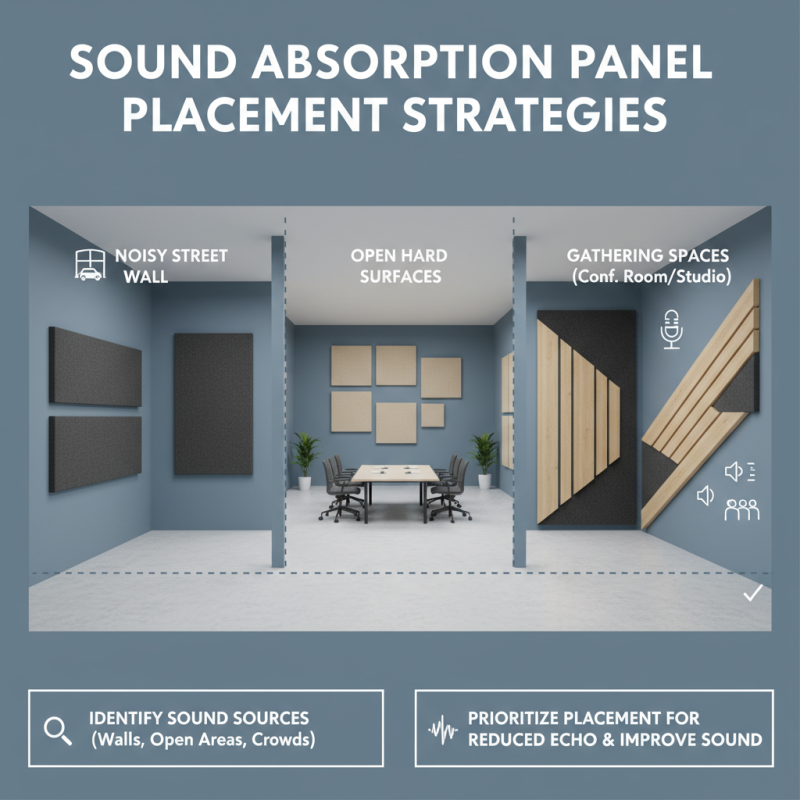
When installing sound absorption panels, understanding placement strategies is key to achieving maximum effectiveness. Start by identifying the primary sources of sound in your space. These typically include walls that face noisy streets, open areas with hard surfaces, or spaces where people gather, such as conference rooms or studios. By prioritizing these areas for panel installation, you can significantly reduce echo and improve overall sound quality.
Tips for placement include mounting panels at ear level, which is where sound is most often absorbed during conversations. Additionally, consider using a staggered layout rather than placing panels in a straight line. This can help break up sound reflections and enhance the acoustic performance of the room. Don’t forget corners—adding bass traps or corner panels can target low-frequency sounds effectively.
Finally, test the sound absorption effectiveness as you go. After installing each panel, make it a habit to evaluate the changes in sound quality. This iterative approach allows you to make adjustments and maximize the impact of your setup, ensuring that the sound absorption panels function as intended for a more tranquil environment.