How to Choose the Best Sound Insulation Panels for Your Home or Office
When it comes to creating a peaceful and comfortable environment in your home or office, sound insulation panels play a crucial role. Whether you are dealing with disruptive noise from outside or within the building, the right sound insulation panels can significantly reduce sound transmission, making your space more serene. Choosing the best sound insulation panels requires careful consideration of various factors to ensure optimal performance and aesthetic compatibility with your surroundings.
In this guide, we will explore the essential aspects to consider when selecting sound insulation panels. From understanding the types of materials available to assessing the acoustic properties and installation options, this comprehensive overview will equip you with the knowledge needed to make informed decisions. Additionally, we will discuss the importance of evaluating your specific needs, such as the level of noise disturbance and the purpose of the space, to ensure that the sound insulation panels you choose deliver the desired results. By taking the time to understand these elements, you can create a more tranquil environment that enhances both productivity and well-being.
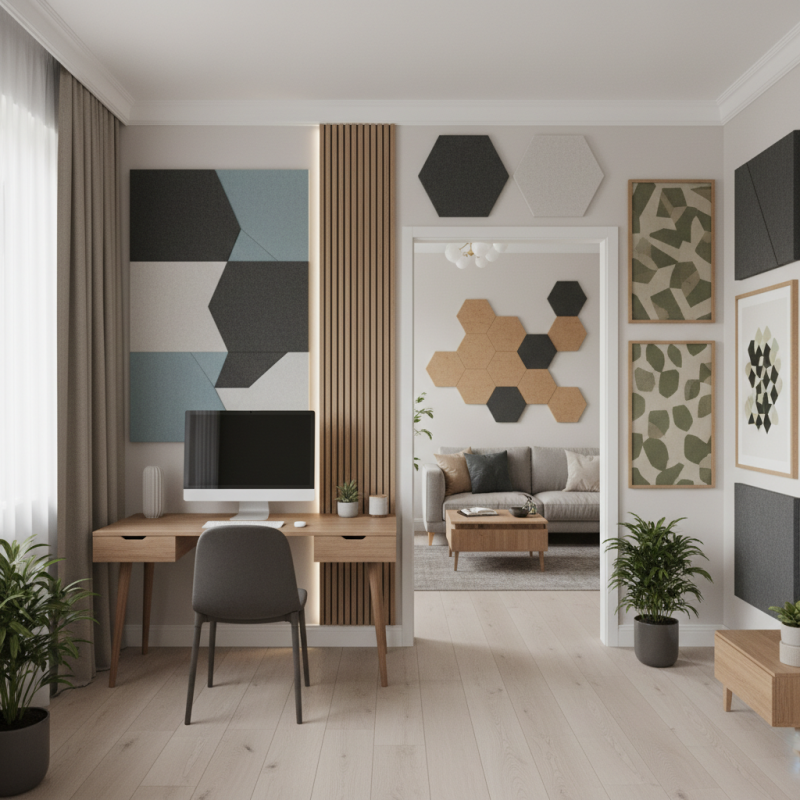
Understanding Sound Insulation: Importance and Benefits
Sound insulation plays a critical role in creating a peaceful environment in both homes and offices. Understanding its importance can significantly enhance your quality of life and productivity. Effective sound insulation reduces unwanted noise from external sources and minimizes sound transmission between rooms, leading to a more serene atmosphere. This is particularly beneficial in urban settings where traffic and construction noise can be distracting. Moreover, good sound insulation can improve focus in workspaces, essential for maintaining productivity.
When selecting sound insulation panels, consider their material and density, as these factors directly influence sound absorption capabilities. Opt for panels made from high-density foam or composite materials that can effectively dampen noise. It's also beneficial to assess the specific needs of your space; for instance, if you're dealing with low-frequency sounds, you might require specialized panels designed to target these frequencies.
Tips:
- Look for panels that are easy to install and maintain, ensuring long-term usage without much hassle.
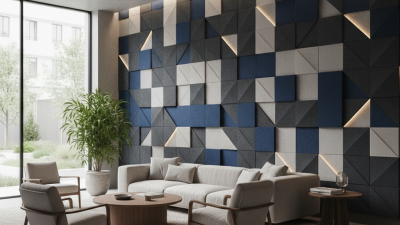
- Consider the aesthetic aspect of the panels; choosing designs that complement your décor can enhance both functionality and visual appeal.
Types of Sound Insulation Panels Available for Use
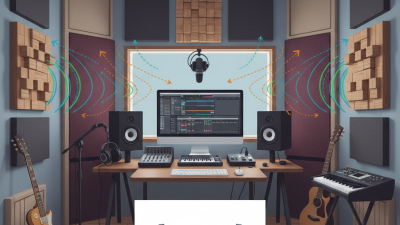
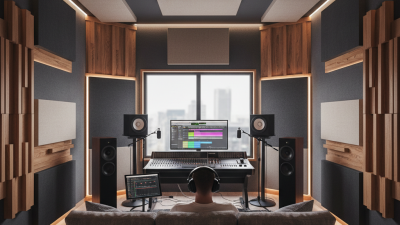
When selecting sound insulation panels for your home or office, it's essential to understand the various types available to make an informed choice. The most common options include acoustic foam panels, mass-loaded vinyl barriers, and fiberglass panels. Acoustic foam panels are ideal for reducing high-frequency noises and controlling echo, making them a popular choice for recording studios and home theaters. Mass-loaded vinyl barriers, on the other hand, are designed to block unwanted sound from passing through walls and ceilings, providing effective soundproofing for both residential and commercial spaces.
When choosing the right panels, consider factors such as the frequency of the noise you want to eliminate and the room's acoustic characteristics. Tips to keep in mind include measuring the area where you plan to install the panels to ensure you purchase the appropriate amount. Additionally, think about aesthetics; some panels can be customized in color and design to suit your interior decor. Finally, be sure to check the installation process as some panels may require professional assistance, while others are DIY-friendly.
Another consideration is the material of the panels; foam and fiberglass can provide excellent sound absorption, while denser materials like wood or metal can enhance soundproofing. Assess your specific needs and budget to determine the best option for your space. With the right knowledge about available types of sound insulation panels, you can effectively enhance the acoustic quality of your environment.
How to Choose the Best Sound Insulation Panels for Your Home or Office - Types of Sound Insulation Panels Available for Use
| Type of Panel |
Material |
Effectiveness (NRC Rating) |
Best For |
Installation Method |
| Acoustic Foam Panels |
Polyurethane or Melamine Foam |
0.7 - 1.0 |
Recording Studios, Home Theaters |
Adhesive or Staple |
| Mass Loaded Vinyl (MLV) |
Vinyl |
0.8 - 1.2 |
Soundproofing Walls, Floors |
Hanging or Layering |
| Acoustic Panels |
Fiberboard or Wood |
0.5 - 0.9 |
Offices, Restaurants |
Mounting Brackets or Hooks |
| Soundproof Drywall |
Gypsum board with additives |
0.7 - 1.0 |
Home Remodels, Offices |
Standard Drywall Installation |
| Fiber Glass Panels |
Glass Wool |
0.9 - 1.2 |
Industrial, Commercial Spaces |
Framing or Suspension |
Key Factors to Consider When Choosing Sound Insulation Panels
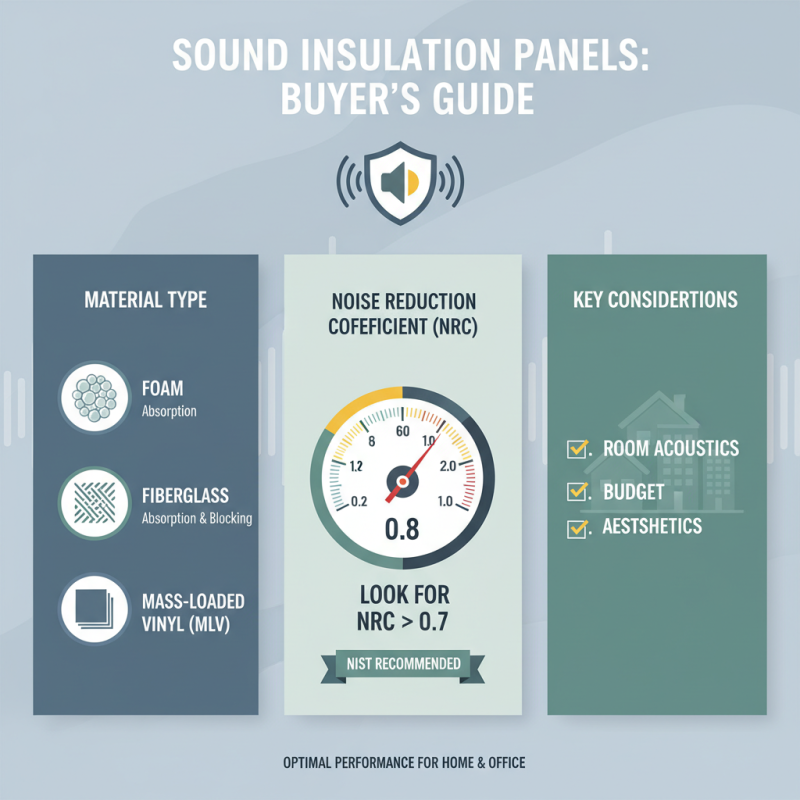
When selecting the best sound insulation panels for your home or office, several key factors should be considered to ensure optimal performance and satisfaction. First, the material of the panels is crucial. Common materials include foam, fiberglass, and mass-loaded vinyl, each offering different levels of sound absorption and soundproofing characteristics. According to the National Institute of Standards and Technology (NIST), materials with a higher Noise Reduction Coefficient (NRC) rating—typically above 0.7—tend to perform better in dampening sound across a range of frequencies.
Another important factor is the panel thickness and density. Thicker and denser panels generally provide better sound insulation due to their mass, which helps block sound waves more effectively. Research published in the Journal of Building Acoustics indicates that panels with a density of at least 2.5 lbs/ft² are ideal for reducing airborne noise in residential and commercial spaces. Additionally, the installation method greatly influences the performance of sound insulation panels; ensuring a proper fit and sealing gaps can significantly enhance their effectiveness.
Lastly, aesthetic considerations should not be overlooked. Sound insulation panels come in various designs and colors, allowing them to blend seamlessly into your interior while still fulfilling their acoustic functions. Balancing technical specifications with design preferences will help in selecting sound insulation panels that not only work effectively but also complement the aesthetic of your environment.
Installation Tips for Optimal Soundproofing Performance
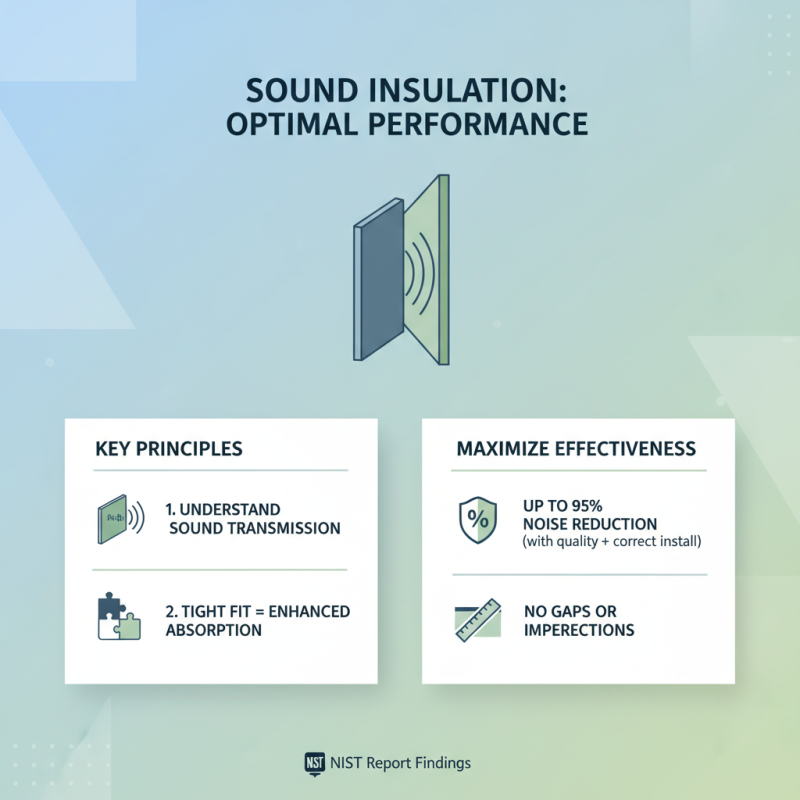
When selecting sound insulation panels for your home or office, proper installation is critical for achieving optimal soundproofing performance. According to a report from the National Institute of Standards and Technology, soundproofing can reduce noise transmission by up to 95% when high-quality materials are installed correctly. To maximize effectiveness, it is essential to understand how sound travels through different mediums and the impact of gaps or imperfections in installation. Ensuring that panels are fitted tightly against walls and ceilings can greatly enhance sound absorption and reduce echo.
For best results, consider employing a staggered installation method, particularly for larger spaces. This technique involves alternating the placement of sound panels, which can disrupt sound wave patterns more effectively than traditional methods. A study conducted by the Acoustical Society of America suggests that sound panels, when installed in a strategic arrangement, can significantly minimize reverberation times by as much as 60%. Additionally, always pay attention to the thickness of the panels; thicker materials generally provide better sound insulation, especially in lower frequency ranges. Taking the time to plan and execute the installation carefully will lead to a considerable improvement in the overall acoustics of your environment.
Maintaining Your Sound Insulation Panels for Long-Lasting Effectiveness
Maintaining sound insulation panels is crucial for ensuring their effectiveness over time. Regular upkeep can significantly extend the lifespan of these panels, preventing the deterioration of sound absorption capabilities. According to the American Society of Acoustical Engineers, proper maintenance can enhance panel performance by up to 30%, making it imperative to attend to them periodically. Dust and dirt can accumulate on the surfaces, and using mild cleaners and soft cloths to gently wipe the panels can help maintain their appearance and functionality. Additionally, ensuring their placement remains intact and free from obstructions will maximize sound insulation benefits.
It is also essential to monitor humidity levels in the environment where the panels are installed. High humidity can lead to mold growth, which not only reduces the acoustic properties but may also compromise the structural integrity of the panels. The National Institute of Building Sciences indicates that maintaining indoor relative humidity between 30% and 50% can help preserve the conditions that sound insulation panels require to perform effectively. Regularly inspecting the panels for any signs of damage or wear, such as cracks or lifting edges, allows for timely repairs or replacements, ensuring optimal soundproofing in your home or office environment.
Sound Insulation Panels Effectiveness Comparison
This chart compares the effectiveness of different types of sound insulation panels in terms of noise reduction capability measured in decibels (dB). Selecting the right panel based on their performance can significantly enhance soundproofing in your home or office.