
+1 877-337-9312 | sale@sflbuild.com

Blog

How to Choose Energy Efficient Aluminum Windows in 2026?

Choosing Energy efficient aluminum windows in 2026 requires more than comparing frame colors or advertised prices. The U.S. Department of Energy reports that windows can cause 25–30% of residential heating and cooling energy use. That figure makes glass selection, frame design, and installation quality important decisions.

A window is a hole in the wall.

Building scientist Joseph Lstiburek uses this memorable phrase to explain why windows often weaken a building envelope. Modern aluminum systems can reduce that weakness through thermal breaks, low-emissivity coatings, insulated glazing, and reliable gaskets. However, aluminum remains highly conductive without proper separation between indoor and outdoor surfaces. This detail is easy to overlook.

The National Fenestration Rating Council recommends comparing certified U-factor, solar heat gain coefficient, visible transmittance, and air-leakage ratings. A lower U-factor generally indicates better insulation. SHGC needs regional judgment: colder climates may benefit from useful solar warmth, while hot climates often require stronger solar control. ENERGY STAR performance criteria also vary by climate zone, so one specification cannot suit every building.

Look beyond the frame.

In practical terms, inspect the thermal break near the corners, the spacer between glass panes, and the installer’s sealing method. A small installation gap can undermine an expensive window. That is an uncomfortable truth.

This guide examines how to choose Energy efficient aluminum windows for 2026, using recognized performance ratings, climate data, lifecycle considerations, and realistic installation checks. Product labels help, but they do not replace careful evaluation. Maybe the best window is not the most advanced one. It is the one correctly matched to the building.
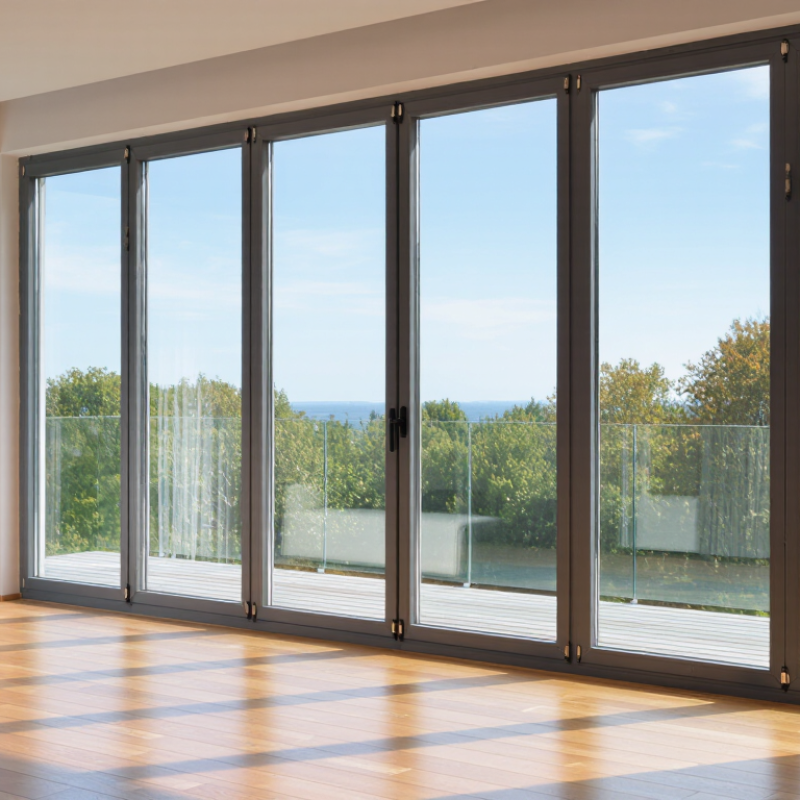
How to Choose Energy Efficient Aluminum Windows in 2026?

Energy Efficiency Basics for Aluminum Windows in 2026

Energy Efficiency Basics for Aluminum Windows in 2026

Choosing efficient aluminum windows starts with understanding heat movement. Aluminum conducts heat quickly, so modern frames need continuous thermal breaks. These insulating sections separate indoor and outdoor metal surfaces. Without them, winter frames may feel cold and collect condensation. Look for tested U-factor and air-leakage ratings, not vague claims. A lower U-factor generally means better insulation. Airtight seals also matter during windy weather.

Glass performance deserves equal attention. Low-emissivity coatings can reduce heat loss while controlling solar radiation. In warmer climates, a lower solar heat gain coefficient may reduce indoor cooling demand. In colder regions, carefully selected solar gain can provide useful warmth. Orientation changes the decision. A south-facing window behaves differently from a shaded north-facing window. Double glazing may suit mild conditions, while triple glazing can help in harsher climates.

Installation can weaken excellent specifications. Small gaps around the frame may create drafts, even with high-performance glass. Ask how installers manage flashing, insulation, drainage, and perimeter sealing. Check whether performance ratings reflect the complete window unit. I have seen attractive frames perform poorly because the surrounding wall was ignored. That mistake is easy to repeat. Energy calculations also depend on local weather, shading, room use, and existing ventilation. A showroom sample cannot reveal everything. Review independent test data and local building requirements before ordering.

Key Window Ratings, Glass Options, and Thermal Performance

In 2026, energy-efficient aluminum windows should be judged by measured ratings, not frame appearance. Start with the whole-window U-factor. Lower values indicate better resistance to heat transfer. Check air leakage ratings as well, especially for windy or exposed elevations. A tight window reduces drafts near the sill. Short labels matter.

For glass, low-emissivity coatings help control indoor heat loss and solar gain. The solar heat gain coefficient, or SHGC, shows how much sunlight becomes indoor heat. Choose a lower SHGC for hot climates and stronger sun exposure. Visible transmittance, or VT, indicates how much daylight enters the room. Double glazing may suit mild regions, while triple glazing can improve comfort in colder areas. Warm-edge spacers also reduce heat loss along the glass perimeter. Condensation may still appear during extreme weather.

Aluminum conducts heat quickly, so look for thermally broken frames with continuous insulating barriers. Review the frame’s U-factor, condensation-resistance rating, and certified test results together. During renovation checks, I have seen excellent glass perform poorly because the frame joints were not sealed correctly. Installation foam, backer rods, and durable exterior sealant need careful detailing. My first instinct was to select the lowest U-factor, but that ignored daylight and overheating. Ratings must fit the room, climate, orientation, and installer’s workmanship. A perfect specification is not always a perfect window.

How to Choose Energy Efficient Aluminum Windows in 2026? - Key Window Ratings, Glass Options, and Thermal Performance

Performance Dimension Rating or Option What It Measures Recommended Selection for 2026 Why It Matters
Whole-Window U-Factor Btu/h·ft²·°F or W/m²·K The rate of heat transfer through the complete window, including the frame, glazing, and edge area. Lower is better. Consider approximately 0.22–0.30 Btu/h·ft²·°F, or about 1.25–1.70 W/m²·K, for a high-performance aluminum window. A lower U-factor generally reduces winter heat loss and heating demand. Always compare whole-window values rather than center-of-glass values alone.
Solar Heat Gain Coefficient SHGC: 0–1 The fraction of incident solar radiation admitted through the window as heat. Choose by climate and orientation: approximately 0.25–0.40 for hot or cooling-dominated locations; approximately 0.35–0.55 may be useful in heating-dominated locations with beneficial winter sun. Lower SHGC can reduce summer overheating and air-conditioning loads. A higher SHGC can admit more useful solar heat in cold climates.
Visible Transmittance VT: 0–1 The percentage of visible daylight transmitted through the glazing. Approximately 0.45–0.70 for a balanced combination of daylight, solar control, and energy performance. Higher VT improves daylight and may reduce electric-lighting demand, but heavily coated glass can reduce visible light.
Air Leakage Usually reported as cfm/ft² at a specified pressure The amount of air that passes through joints and seals in the window assembly. Lower is better. Prefer a tested value at or below 0.20 cfm/ft² where available, subject to the applicable test standard and product type. Lower air leakage improves comfort, reduces drafts, and limits uncontrolled heating or cooling losses.
Condensation Resistance CR: 1–100 A comparative measure of how well a window resists interior surface condensation under test conditions. Higher is better. Select the highest practical rating, especially in cold or humid climates. A higher CR value indicates warmer interior surfaces and a lower likelihood of condensation, although indoor humidity and installation also affect results.
Aluminum Frame Design Thermally broken frame An insulating separator reduces direct heat flow through the normally conductive aluminum frame. Use a continuous, well-designed thermal break with insulated chambers where possible. Thermal breaks reduce frame U-factor, interior surface temperature differences, condensation risk, and thermal bridging.
Glazing Configuration Double or triple glazing The number of glass panes and sealed insulating spaces in the unit. Double glazing is often adequate in moderate climates; triple glazing is preferable where winter temperatures are severe or maximum comfort is required. Additional panes generally improve insulation and sound reduction, but increase weight, thickness, and cost.
Low-E Coating High-solar-gain, moderate-solar-gain, or low-solar-gain A microscopically thin coating that reduces infrared heat transfer and can control solar radiation. Match the coating to climate, façade direction, shading, and room use. Low-E glass can improve insulation while controlling unwanted solar heat, but the wrong SHGC can increase heating or cooling demand.
Insulating Gas Fill Argon or krypton Inert gas placed between sealed glass panes to reduce convective and conductive heat transfer. Argon is a practical choice for many double-glazed units; krypton can be useful for narrower gaps or high-performance triple glazing. Gas fill can lower center-of-glass heat transfer, but the sealed unit, spacer, and installation quality determine long-term performance.
Warm-Edge Spacer Low-conductivity spacer The material separating the panes around the perimeter of an insulating glass unit. Prefer a thermally improved spacer instead of a highly conductive metal spacer where condensation resistance is important. A warmer edge can reduce perimeter heat loss and improve resistance to condensation near the glass frame.
Glass Orientation and Shading North, south, east, or west exposure; exterior shading The amount and timing of solar exposure received by the window. Use lower SHGC and effective external shading for strongly exposed façades in hot climates. Orientation can affect solar heat gain more than small differences between otherwise similar window products.
Window Operation Fixed, casement, awning, sliding, or double-hung The opening mechanism and the type of seals used around movable sections. Prioritize low air leakage. Hinged units often provide a strong compression seal when correctly manufactured and installed. Operation affects sealing, ventilation, cleaning, emergency egress, maintenance, and final energy performance.
Installation Quality Continuous perimeter air and water sealing How effectively the installed window is integrated with the wall, flashing, insulation, and interior finish. Require a documented installation method with properly sealed joints, drainage paths, and compatible flashing materials. Poor installation can create drafts, moisture intrusion, and thermal bridges even when the window itself has excellent laboratory ratings.
Certification and Label Information Independent test and certification data Verified performance values for the complete tested window assembly. Compare independently verified whole-window ratings for the exact size, configuration, glazing, and operating style being purchased. Ratings can vary by size and configuration. A verified label makes comparisons more reliable than marketing descriptions alone.
Quick selection rule: Choose a thermally broken aluminum frame, compare whole-window U-factor and air-leakage values, select SHGC according to climate and façade orientation, and verify that the glazing, spacer, seals, and installation method are designed to work as one complete system.

How to Compare Frames, Glazing, and Insulation Features

How to Choose Energy Efficient Aluminum Windows in 2026?

Comparing frames, glazing, and insulation features requires more than checking the aluminum thickness. Look for thermally broken frames with a continuous insulating barrier between interior and exterior metal. This reduces heat transfer around the window edge. Review the whole-window U-factor, not only the center-glass value. Lower numbers usually indicate better insulation. Frame depth also matters, especially in cold or mixed climates.

Tips: Match the glazing to your climate and room direction. Low-emissivity glass can reduce winter heat loss and summer heat gain. In sunny rooms, compare the solar heat gain coefficient carefully. Argon-filled double glazing may suit moderate conditions, while triple glazing can help in colder regions. Warm-edge spacers and tight gaskets improve edge performance. Ask for test data.

Installation deserves equal attention. A high-performing window can waste energy if the perimeter is poorly sealed. Check for insulated shims, backer rod, and weather-resistant flashing. Ask the installer how air leakage will be controlled. I once trusted a fine specification sheet and overlooked an uneven opening. That mistake mattered. Measure the rough opening, sill condition, and drainage path before ordering. Also compare visible frame area, glass area, maintenance needs, and warranty terms. A lower U-factor is useful, but it is not the only decision.

Climate, Orientation, and Home Design Considerations

How to Choose Energy Efficient Aluminum Windows in 2026?

Climate should guide the window specification, not fashion. The U.S. Department of Energy reports that windows can cause 25–30% of household heating and cooling energy use.

In cold climates, prioritize a low U-factor, insulated frames, and double or triple glazing. In hot climates, a lower solar heat gain coefficient can reduce afternoon cooling demand. Climate-zone requirements still vary, so local building guidance deserves careful checking.

Orientation changes the calculation. East- and west-facing glass receives low-angle morning or evening sun, which exterior shading can control more effectively than interior blinds. South-facing windows in the Northern Hemisphere may benefit from roof overhangs. North-facing glazing usually needs stronger insulation and less solar-gain control.

NFRC rating data helps compare U-factor, solar heat gain coefficient, and visible transmittance. The International Energy Agency’s Buildings 2023 report links buildings with about 30% of global final energy demand, making small specification errors surprisingly expensive.

Home design matters just as much.

A large glass wall can look impressive, yet it may create cold radiant surfaces in winter or overheating beside a sofa. Use aluminum frames with continuous thermal breaks, then check frame-to-wall installation quality. Airtightness matters. A poorly sealed perimeter can weaken an otherwise excellent window.

I have seen projects overvalue glass performance while ignoring shading and ventilation. That mistake is easy to repeat. Measure room use, nearby trees, roof depth, and furniture placement before choosing the final window package.

Installation Quality, Cost, Durability, and Long-Term Value

How to Choose Energy Efficient Aluminum Windows in 2026?

Installation quality often matters as much as the window itself. A well-designed aluminum frame can still waste energy if installers leave gaps around the opening. Look for thermal breaks, tight gaskets, and low-emissivity glazing suited to your climate. Ask how the team handles flashing, insulation, drainage, and interior sealing. These details prevent drafts and moisture damage. Request installation photos from completed projects, not only written promises. An independent energy assessor can also check U-values and solar heat gain before you order.

Tips: Compare three detailed quotes. Check labor separately. Confirm the warranty in writing. Touch the frame samples. A cold interior edge may reveal poor thermal performance. Do not choose the cheapest estimate automatically. It may exclude removal, repairs, or finishing work.

Cost should be measured over decades, not at checkout. Durable powder-coated finishes resist weather, but maintenance still matters near saltwater or heavy pollution. Ask about hardware replacement, glass availability, and service response. A strong warranty is useful, yet its conditions deserve careful reading. I would rather accept a slightly higher price than risk repeated air leaks. Still, expensive does not always mean efficient. Even careful calculations can miss shading, ventilation habits, or future energy prices. Review the full lifecycle cost, including installation, cleaning, repairs, and expected heating or cooling savings.