How to Choose the Right CNC Bending Machine for Your Business?
Choosing the right CNC bending machine for your business can be challenging. In 2022, the global market for CNC bending machines was valued at over $5 billion. This figure is expected to grow due to increasing demand for precise metalworking. The efficiency and versatility of CNC technology have revolutionized the manufacturing sector.
Selecting the right machine involves understanding your specific needs. Consider factors such as material type, bend radius, and production volume. Research shows that businesses often underestimate these requirements. The wrong choice can lead to increased costs and reduced productivity.
Additionally, reliable suppliers are crucial. Look for manufacturers with a solid reputation and technical support. NC Cutting Technology estimates that over 30% of businesses face issues due to inadequate support. Thoroughly vet potential suppliers to ensure they meet industry standards. Making an informed decision now can influence the efficiency of your operations for years to come.
Understanding the Basics of CNC Bending Machines
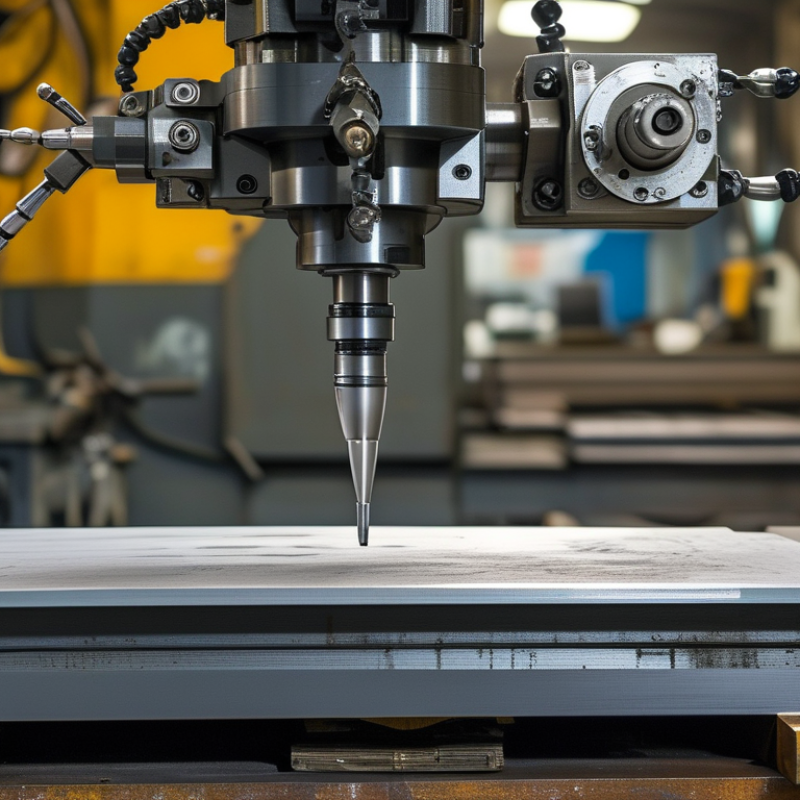
CNC bending machines are essential for precision metal forming. They control the bending process through computer programming, ensuring accuracy. Understanding their basic components is crucial. Key parts include the machine frame, tooling, and control system. Each plays a role in the machine's effectiveness.
Selecting the right CNC machine can be daunting. Consider the materials and thickness you’ll be working with. Some machines may struggle with thicker materials, which could lead to inaccuracies. Assess your production volume, too. A machine that handles high volumes may not be necessary for smaller operations, yet it can lead to inefficiencies.
Training and maintenance are critical aspects often overlooked. Operators need proper training to avoid mistakes that could compromise quality. Regular maintenance is essential for machine longevity and reliability. Neglecting these can lead to costly downtime. A thoughtful evaluation of these factors helps ensure you choose the best machine for your specific needs.
Key Factors to Consider When Choosing a CNC Bending Machine
Choosing the right CNC bending machine is crucial for your business success. There are several key factors to consider before making a decision. The first is the machine's bending capacity. Determine the thickness and type of materials you will work with. Not every machine can handle heavier or thicker materials.
Tips: Assess your future projects. If you expect to work with heavier materials, choose a machine that offers a higher capacity to avoid limitations.
Another factor is precision. A CNC bending machine should produce consistent and accurate bends. Variability can lead to waste and rework. It’s essential to look for machines that ensure repeatable results.
Tips: Don’t hesitate to ask about the machine’s calibration process. Regular maintenance can significantly affect its performance.
Finally, think about your overall production needs. Consider the speed and efficiency of the machine. A machine that operates slowly may impact your output negatively. It's also essential to understand the software capabilities. Advanced controls can simplify programming and improve flexibility.
Tips: Look for machines that are easy to learn and operate. A steep learning curve can delay production and increase costs.
How to Choose the Right CNC Bending Machine for Your Business? - Key Factors to Consider When Choosing a CNC Bending Machine
| Factor | Description | Importance (1-10) | Considerations |
| Capacity | The maximum material thickness and width the machine can handle. | 9 | Assess material types and thicknesses used in production. |
| Precision | The accuracy level of bends produced by the machine. | 10 | Consider tolerance levels required for your products. |
| Control System | The software and interface used for operating the machine. | 7 | Evaluate user-friendliness and compatibility with existing systems. |
| Speed | How fast the machine can complete bending operations. | 8 | Consider production volume requirements when assessing speed. |
| Durability | The overall build quality and lifespan of the machine. | 8 | Look for materials and design that enhance longevity. |
| Cost | Total investment required for purchasing the machine. | 9 | Consider not just initial cost, but also maintenance and operational expenses. |
| Support and Service | Availability of technical support and service options from the manufacturer. | 8 | Ensure support is accessible for troubleshooting and maintenance. |
Evaluating the Different Types of CNC Bending Machines Available
When evaluating CNC bending machines, it's essential to understand the types available. Generally, these machines can be categorized into hydraulic, electric, and hybrid models. Each type has unique benefits and limitations. Hydraulic machines are known for their power and versatility, making them suitable for heavy-duty bending tasks. However, they can be less energy-efficient.
Electric CNC bending machines offer greater precision and speed. They consume less energy, but their capacity may be limited compared to hydraulic models. If your business focuses on smaller parts or lighter materials, an electric machine could be the right choice. Yet, the initial investment might be higher.
Hybrid machines combine features of both hydraulic and electric types. They aim to provide the best of both worlds, but they may complicate maintenance. It's crucial to consider the specific needs of your business before making a decision. Evaluate the materials you work with and the expected volume of production. Reflect on past projects and identify any challenges. This insight will guide you in selecting a machine that truly fits your business needs.
Assessing Your Business Needs for CNC Bending Capability
Choosing the right CNC bending machine starts with assessing your business needs. It's essential to understand the type of materials you will work with. Consider if you primarily bend metal, plastic, or composites. Each material has unique requirements that can influence your machine choice.
Next, evaluate your production volume. Are you focusing on low-run prototypes or high-volume production? High-demand environments may require faster machines with robust capabilities. If flexibility is key, then a machine with adjustable parameters might be preferable. It's important to match the machine’s features with your actual workflow.
Finally, think about the space and budget you have. Investing in a more advanced machine might seem attractive. However, if it exceeds your space or financial limits, it can hinder operations. Reflect on your long-term goals as well. What might seem ideal now could change in a few years. Being aware of these factors can significantly impact your final decision.
Budgeting for CNC Bending Machines: Costs and Financing Options
When considering CNC bending machines, budgeting is crucial. The cost of these machines can vary significantly. A decent entry-level machine may cost around $20,000. On the other hand, high-end models can exceed $100,000. This range can be daunting for many businesses.
Financing options can help. Many manufacturers offer financing plans, allowing you to spread payments over time. Leasing is another popular route. It lets businesses use the machine without a hefty upfront cost. However, read the fine print carefully. Interest rates can vary widely. Sometimes, hidden fees can add up, making leasing more expensive in the long run.
It's essential to evaluate your specific needs. Consider the materials you will work with and the volume of bending required. Will a basic machine suffice, or do you need advanced features? Understanding what you truly need can prevent overspending. Reflecting on these aspects will lead to better decisions and a more effective investment in your CNC bending machine.