How to Choose the Best Sound Treatment for Your Space?
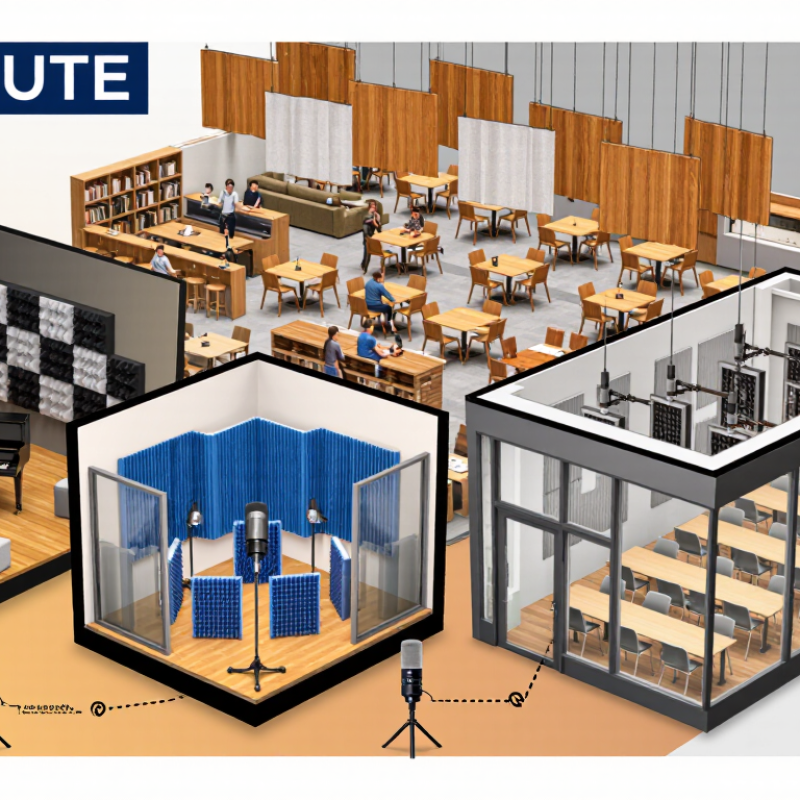
Choosing the right sound treatment starts with listening to the room, not shopping for attractive panels. A podcast booth, home theater, classroom, and restaurant create very different acoustic problems. In a small office, speech may bounce from glass walls and a bare desk. In a music room, low frequencies can gather in corners, making the bass sound heavier than it really is. The best solution depends on the room’s purpose, dimensions, surfaces, and daily occupants. There is no universal package.
A reliable decision combines practical observation with basic acoustic measurement. Clap tests can reveal obvious echoes, but they cannot replace calibrated measurements. A measurement microphone and room-analysis software can show decay times, frequency peaks, and uneven listening positions. Still, tools are not magic. Microphone placement, furniture, and even an open door can change the result. Experienced installers compare data with careful listening before recommending absorption, diffusion, bass traps, or movable screens. That balance helps prevent a common mistake: treating every reflection as a problem.
This guide explains how to select sound treatment without making the room unnaturally quiet or lifeless. You will consider panel thickness, placement, coverage, fire performance, durability, and budget. A thick absorber behind a listener may help more than several thin panels scattered randomly. Yet the same design may fail in a lively dining space or a room with changing furniture. I have found that useful treatment is often incremental: install, listen, measure, and adjust. Some recommendations remain uncertain until the room is tested in real use. That is not a weakness; it is part of responsible acoustic design.
Assess Your Space’s Acoustic Problems and Sound Treatment Goals
How to Choose the Best Sound Treatment for Your Space?
Assess the room before buying panels. Stand at the center and clap once. Listen for a sharp echo, flutter between parallel walls, or a dull, muffled decay. These clues reveal different problems. A phone recording can help, but it cannot replace measurement. Use a calibrated microphone and room-analysis software when accuracy matters. Measure before buying.
Your goal determines the treatment. For speech, reduce reverberation and background noise. ANSI/ASA S12.60 recommends classroom background noise near 35 dBA and reverberation times around 0.6–0.7 seconds, depending on room size. For music recording, preserve controlled liveliness rather than making the room completely dead. ISO 3382-2 provides methods for measuring reverberation time in ordinary rooms. These standards offer direction, not a universal recipe. A small room with glass walls may need absorption, diffusion, and bass control together.
Tips: Mark reflective surfaces with a mirror test. Prioritize ceiling clouds, first-reflection points, and corners. Seal obvious door gaps before adding treatment. Place thick absorbers across at least two walls, then measure again. I once assumed more absorption would improve clarity. It made the room uncomfortable and lifeless. That mistake matters: treatment should serve the activity, not simply remove sound. Consider speech, calls, instruments, or focused work, and define the acceptable noise level for each use.
Match Treatment Materials and Placement to Your Room’s Acoustic Needs
Choosing sound treatment starts with the room, not the product. Measure its dimensions, surfaces, and main listening position. Start with measurements. A calibrated microphone can reveal uneven bass, harsh reflections, and excessive reverberation. A simple clap test helps, but it cannot replace reliable measurements. Hard floors, glass, and bare walls usually create stronger reflections than fabric surfaces.
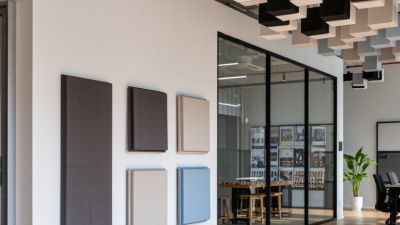
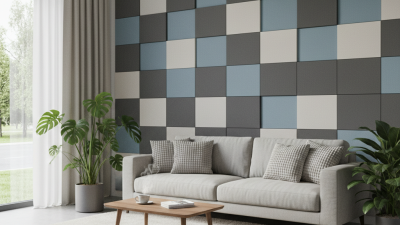
Use porous absorbers at the first reflection points beside the listening position. Place one panel on each side wall, aligned with the speakers and listener. Add a ceiling cloud when sound feels bright above you.
For low-frequency problems, use thicker absorbers in room corners. Thin panels may improve speech clarity, yet they rarely control deep bass. Material thickness and air space behind it both matter.
Diffusion can work well on the rear wall when the room has enough depth. It scatters energy without making the space unnaturally quiet. Avoid covering every surface with absorption. I once treated a small room too heavily, and the result sounded dull and strangely close. That mistake taught me to treat problem areas gradually. Move one panel, listen, and measure again. Keep speakers away from corners when possible, and avoid placing the listening seat exactly halfway between the front and rear walls. Small changes can produce surprising results.
Evaluate Budget, Appearance, Safety, and Long-Term Performance
Choosing sound treatment starts with measured need, not a catalog photo.
Record room dimensions, speech clarity, and reverberation before buying. Measure twice. ISO 3382-2 provides a recognized method for measuring reverberation time in ordinary rooms. A phone app can reveal patterns, but it cannot replace calibrated testing. The World Health Organization’s 2018 Environmental Noise Guidelines recommend indoor night noise below 30 dB(A) for good sleep. That target is not a universal office rule. However, it shows why “quiet enough” needs context. Define the task: recording, teaching, sleeping, or conversation.
Budget for measurement, installation, and future replacement, not panels alone.
Dense absorption may reduce reflections, but it will not stop traffic, impact noise, or loud neighbors. That distinction is often missed. Compare absorption data, coverage, warranty terms, and cleaning requirements. Looks matter. Neglected surfaces may eventually be removed. Choose colors and textures that suit the room, while avoiding vague performance claims. Safety deserves equal weight. Request fire-test results, mounting instructions, and emissions documentation. ASTM E84 or equivalent testing may guide selection, but local building codes still control. NIOSH identifies 85 dBA over an eight-hour workday as a recommended occupational noise exposure limit.
The U.S. General Services Administration’s Sound Matters report connects workplace acoustics with concentration and satisfaction.
Still, published data cannot predict every room. Hard floors, glass, ceiling height, and occupant habits can overturn a neat calculation. Install a small test zone first, then measure again after furniture arrives. Keep access panels clear. Inspect edges annually. A treatment that looks perfect on day one may sag, stain, or over-dampen the room later. Good choices remain adjustable.