How to Choose the Best Sound Treatment Panels for Your Space?
Choosing the right sound treatment panels can transform your space dramatically. Poor acoustics often disrupt productivity and enjoyment. Sound treatment panels are vital in creating a balanced auditory environment.
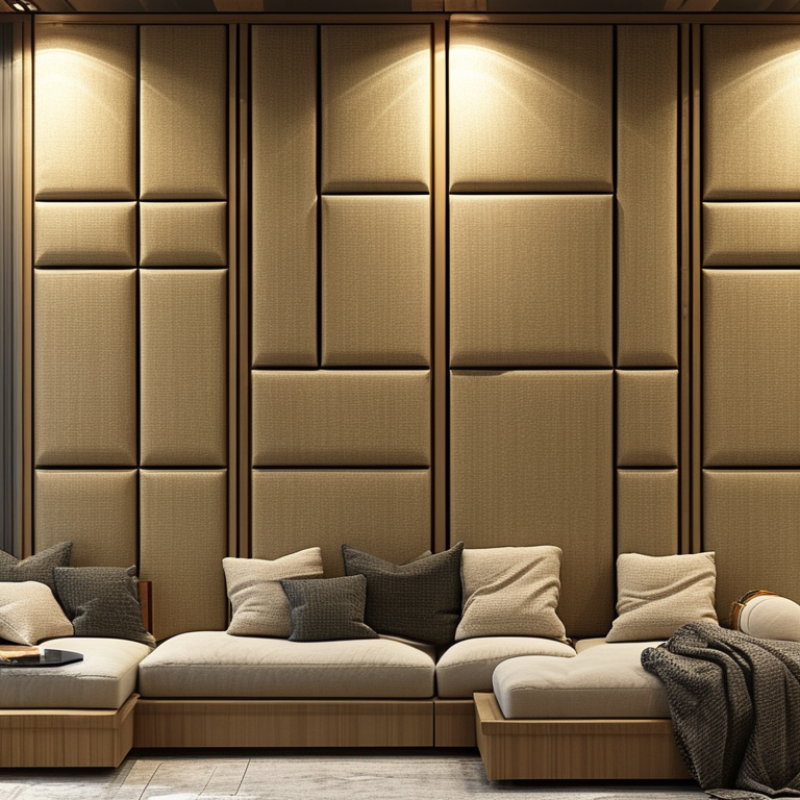
Consider the size and shape of your room. Larger spaces may need more panels to absorb sound effectively. Placement is crucial too; corners often trap sound waves. Materials vary widely, and each has unique properties. Fabric-covered panels, for example, add aesthetics while dampening noise.
Many people overlook their specific sound requirements. Each room serves a different purpose. A recording studio needs more sound treatment than a home office. It’s essential to evaluate your unique needs. Reflect on your current setup. What sounds are too harsh? Where could you improve clarity? This thoughtful approach will lead you to the best sound treatment panels for your space.
Understanding the Importance of Sound Treatment Panels in Room Acoustics
Sound treatment panels play a crucial role in room acoustics. They help absorb sound waves, reducing echoes and improving clarity. Poor acoustics can lead to confusion in communication and fatigue during long listening sessions. Choosing the right panels can transform a space from chaotic to serene.
The importance of sound treatment cannot be overstated. In recording studios, for instance, unwanted reflections can distort sound. Home theaters also benefit greatly. Many people underestimate how sound travels and bounces. This lack of awareness often leads to dissatisfaction with audio experiences. Effective sound treatment enhances both enjoyment and productivity.
When selecting panels, consider the specific needs of your space. Factors like room size, shape, and purpose all matter. Not every panel suits every situation. Experimentation may be necessary to achieve optimal results. It’s a journey of trial and error, where learning from mistakes is key. Sound treatment requires thoughtful planning and personalized adjustments.
Identifying Your Space's Acoustic Needs and Challenges
Identifying the acoustic needs and challenges of your space requires careful observation. Start by listening to how sound behaves in the room. Notice if certain frequencies echo or if speech becomes muddled. These characteristics will help you define what sound treatment is needed.
Consider the purpose of the space. A home studio may require different treatment compared to a living room. Hard surfaces can create unwanted reverberation, while soft furnishings might absorb sound. Record your findings to visualize the areas that need improvement. You may find that certain corners amplify sound, while others dampen it.
Take the time to measure your rooms. Use basic tools like a smartphone app to assess sound levels. This data can reveal surprising insights about your space. The process might feel challenging, but it is essential for effective treatment selection. Reflect on how sound affects your daily life. Understanding these elements leads to more informed decisions on treatment panels.
Acoustic Treatment Panels Effectiveness in Different Room Types
This chart illustrates the effectiveness of acoustic treatment panels in reducing noise levels (in dB) across different types of rooms. As shown, recording studios benefit the most, followed by home offices and classrooms, indicating the importance of tailored acoustic solutions based on the specific use of the space.
Types of Sound Treatment Panels: Pros and Cons
When selecting sound treatment panels, it’s crucial to understand the various types available. Absorption panels are popular for reducing echoes. They work by trapping sound waves, making them effective in spaces like recording studios. However, they may not address all sound issues, especially in large areas.
Diffusion panels serve a different purpose. They scatter sound instead of absorbing it. This can create a more ambient environment in living spaces, keeping energy in the room. Yet, finding the right balance is essential. Too many diffusion panels can make a space feel chaotic rather than harmonious.
Bass traps focus on low-frequency sounds. They can dramatically improve sound quality in home theaters or music rooms. Limited installation space can be a challenge, as these panels often require specific positioning. Each type of sound treatment panel has its merits and potential drawbacks. Evaluating your space and sound needs is vital for making the right choice. The process can be trial and error, leading to unexpected results and learning curves.
Key Factors to Consider When Selecting Sound Treatment Panels
When selecting sound treatment panels, key factors must be evaluated carefully. One important aspect is the material. Different materials absorb sound waves differently. Acoustic foam, for instance, is effective for mid to high-frequency sounds. In contrast, fabric-wrapped panels can provide a broader range of sound absorption. It’s essential to know your space's needs before making a choice.
Another factor is the panel thickness. Thicker panels tend to absorb lower frequencies better. However, they also take up more space. Consider the dimensions of your room. In tight areas, thinner panels may be more practical. Testing various thicknesses and placements can lead to the best results.
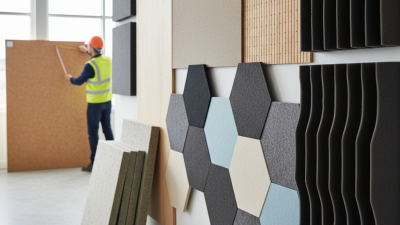
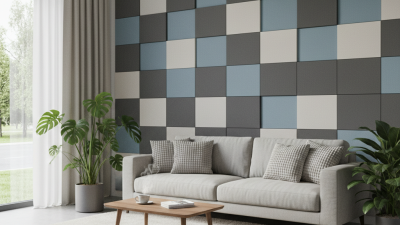
Aesthetic appeal is also significant. Sound treatment panels come in various colors and designs. They should complement your space. Yet, prioritizing functionality over design is crucial. What looks good might not always perform well. Pay attention to your room's acoustic challenges. Sometimes combining different panel types works better than relying on a single solution. Adjustments and reflections are part of the process. Choose wisely and listen actively to the changes.
How to Choose the Best Sound Treatment Panels for Your Space? - Key Factors to Consider When Selecting Sound Treatment Panels
| Factor |
Description |
Recommended Material |
Thickness (inches) |
Price Range (per panel) |
| Absorption Coefficient |
Measures how well a material absorbs sound |
Foam, Fiberglass |
2 - 4 |
$30 - $100 |
| Installation Type |
How the panels will be mounted (e.g., wall, ceiling) |
Wall-mounted, Suspended |
N/A |
N/A |
| Aesthetic Design |
Visual appeal and integration with interior design |
Textile, Wood |
1 - 3 |
$50 - $150 |
| Soundproofing vs. Sound Absorption |
Distinguishing between blocking noise and reducing echo |
Mass Loaded Vinyl, Acoustic Panels |
N/A |
$40 - $120 |
| Environmental Impact |
Sustainability and recyclability of materials |
Eco-friendly Foam, Recycled Fibers |
2 - 5 |
$35 - $110 |
Installation Tips for Optimal Sound Treatment Effectiveness
When installing sound treatment panels, the placement is crucial. Choose locations that directly affect sound clarity. Walls facing each other can create problematic echoes. Consider corners, as they often trap bass frequencies. By treating these areas, you reduce unwanted reverberation. This method leads to a more controlled and balanced sound experience.
Consider the material of the panels. Different fabrics absorb various frequencies. Some materials may work better in specific environments. Ensure your panels are securely mounted. Using adhesive strips or brackets helps prevent accidental detachments. Test the effectiveness by playing soundtracks you often enjoy. The right setup will enhance your entire listening experience.
Don’t overlook the aesthetic aspect of installation. Panels come in various designs and colors. This flexibility allows you to blend functionality with your decor. Ensure that panels align neatly for a professional look. If aesthetics and sound quality clash, reevaluation may be needed. Sometimes, prioritizing one over the other can lead to dissatisfaction. It’s essential to find balance.