How to Choose the Right O Ring Face Seal for Your Needs?
Choosing the right O Ring Face Seal is crucial for ensuring effective sealing and preventing leakage. According to a report by Grand View Research, the global sealing industry is projected to reach $82.4 billion by 2025. This highlights the importance of selecting the appropriate seal for various applications, especially in critical sectors such as aerospace and automotive.
The performance of an O Ring Face Seal depends on factors like material compatibility and pressure requirements. Different seals can withstand varying temperatures and chemicals. A recent study from TechSci Research indicated that over 60% of seal failures occur due to improper selection. Therefore, understanding the specific needs of your application is essential.
Experience and expertise play significant roles when choosing an O Ring Face Seal. It's not merely about functionality; being aware of performance limits is key. Buyers should consider not just the cost but also the long-term reliability. Choosing incorrectly can result in costly downtime and repairs. Thus, it’s vital to take the time to analyze all variables before making a selection.
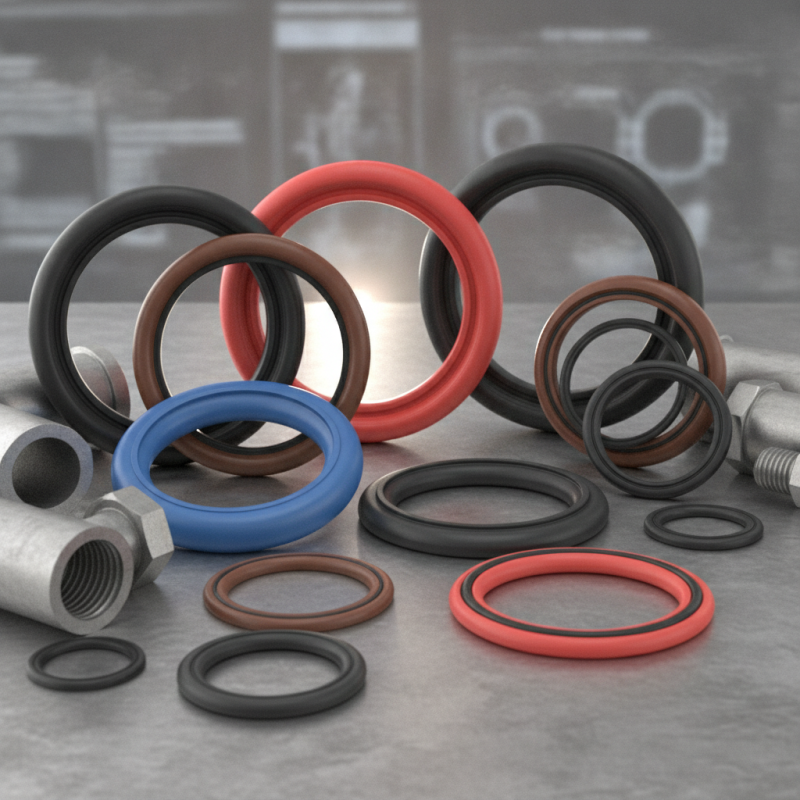
Understanding O Ring Face Seals: Basics and Applications
O-ring face seals are essential in various applications, providing a reliable level of sealing. Understanding their construction helps in selecting the right one. Typically, they consist of a circular elastomeric ring that forms a tight seal between two surfaces. This design minimizes leakage and enhances performance in high-pressure environments.
When choosing an O-ring face seal, consider the operating conditions. Temperature fluctuations and chemical exposure can impact material choice. Common materials include nitrile and fluorocarbon, each with distinct advantages. Nitrile is cost-effective and versatile. Fluorocarbon, on the other hand, excels in resisting heat and chemicals but may be pricier.
Installation practices also matter. Misalignment during setup often leads to failure. Regular maintenance checks can prevent unexpected leaks. It's important to reflect on the seal's lifespan. Over time, seals can degrade, leading to performance issues. Understanding these aspects helps you make informed decisions and address potential challenges.
Key Factors to Consider When Selecting O Ring Materials
Selecting the right O-ring material is crucial for optimal performance. Factors like temperature, pressure, and chemical compatibility play key roles. Each of these elements influences the lifespan and functionality of the seal. For example, high temperatures can degrade certain elastomers while others withstand intense heat.
Chemical environment is another essential consideration. O-rings made from specific materials can resist certain fluids but fail against others. Without careful selection, you might face premature failure. It’s important to understand the media the O-ring will contact. Sometimes, testing in real conditions is necessary.
Manufacturers often offer guidelines, but they might not cover every scenario. It’s wise to seek expert advice when in doubt about material choices. The cost savings of choosing the wrong material can be significant, especially in critical applications. Reflecting on past experiences can inform better decisions in the future.
Sizing Guide: How to Measure O Rings for Optimal Fit
Choosing the right O-ring face seal begins with accurate sizing. Proper measurement ensures the seal fits securely and functions effectively. To measure an O-ring, use calipers for precision. Measure the inner diameter (ID) first, then the cross-section thickness.
Once you have these measurements, consult sizing charts. A few millimeters can make a big difference. If you're unsure, it’s better to test multiple sizes. An imperfect fit can lead to leaks or seal failures. Check your work; mistakes happen easily when you're in a hurry.
Keep in mind that environmental factors influence O-ring performance. Factors like temperature and pressure can dictate which material is appropriate. Regular maintenance checks can help. This reflects a commitment to quality that prolongs the life of seals. Making thoughtful choices in sizing leads to reliable performance.
Common Types of O Ring Face Seals and Their Uses
When selecting an O Ring face seal, understanding the common types and their applications is vital. O Ring face seals are primarily crafted from elastomers like nitrile or fluoroelastomer. These materials exhibit excellent resistance to both heat and chemical exposure. For instance, nitrile seals are often used in hydraulic applications due to their durability and cost-effectiveness. According to industry reports, nearly 70% of seals used in machinery rely on these materials.
Another prevalent type is the PTFE face seal. This seal type excels in high-temperature and aggressive chemical environments. The usage of PTFE seals has seen a rise of 30% in industries dealing with extreme fluids. Their non-stick properties make them suitable for clean environments, reducing contamination risks. Interestingly, these seals can last longer than traditional rubbers due to their enhanced resistance against deformation and wear.
It's essential to consider the specific operational environment when choosing a seal. For example, exposure to harsh chemicals can degrade rubber seals quickly. Data suggests that improper material selection can reduce seal effectiveness by up to 40%. Therefore, organizations should conduct thorough assessments of their operational needs. This reflective approach can prevent costly downtime and ensure the long-term success of machinery operations.
Maintenance Tips for Extending the Life of O Ring Seals
When it comes to O-ring face seals, proper maintenance is crucial for longevity. Research indicates that inadequate maintenance can reduce seal life by up to 70%. Regular inspections help detect wear and tear early, preventing costly failures. A detailed maintenance schedule is essential.
One effective tip is to keep seals clean and free from debris. Contaminants can cause drastic failures. Use a suitable cleaning solution to remove dirt without damaging the material. Avoid harsh chemicals that can degrade the seal's integrity. A clean environment prolongs the lifespan of O-ring face seals.
Another important aspect is proper storage. O-rings should be stored in a cool and dry place, away from direct sunlight. Extreme temperatures can affect the material properties, leading to premature failure. It’s a simple step to check storage conditions regularly. The right practices can significantly extend the life of your seals.
How to Choose the Right O Ring Face Seal for Your Needs? - Maintenance Tips for Extending the Life of O Ring Seals
| Seal Material | Temperature Range (°C) | Chemical Resistance | Common Applications | Maintenance Tips |
| Nitrile (NBR) | -40 to 100 | Good for oils and fuels | Automotive, aerospace | Regular inspections for wear |
| Fluoroelastomer (FKM) | -20 to 200 | Excellent for chemicals | Chemical processing, oil & gas | Keep away from sharp edges |
| Silicone | -60 to 200 | Poor for petroleum products | Medical, food processing | Avoid extreme temperature fluctuations |
| Polyurethane (PU) | -30 to 80 | Fair for oils, excellent for abrasion | Hydraulic systems, industrial | Keep lubricated regularly |
| Ethylene Propylene (EPDM) | -40 to 150 | Good for steam and water | Water treatment, automotive | Monitor for deformation |