2026 How to Choose Ultralight Carbon Wheelset for Racing?
Choosing the right gear for racing can make a significant difference. One critical component is the ultralight carbon wheelset. These wheels are designed for speed and performance, making them a popular choice among competitive cyclists. However, selecting the best ultralight carbon wheelset isn’t always straightforward.
There are many factors to consider. Weight, aerodynamics, and durability all play vital roles. Experienced racers often emphasize the importance of finding the right balance. An ultralight design might improve speed, but structural integrity is also crucial. You don’t want to compromise safety for mere speed.
Many cyclists rely on expert reviews and product testing results. These resources provide insights into performance under various conditions. Reliability is another factor that shouldn't be overlooked. A poorly chosen wheelset can lead to costly problems during a race. Understanding these details can guide you toward the best ultralight carbon wheelset for your needs.
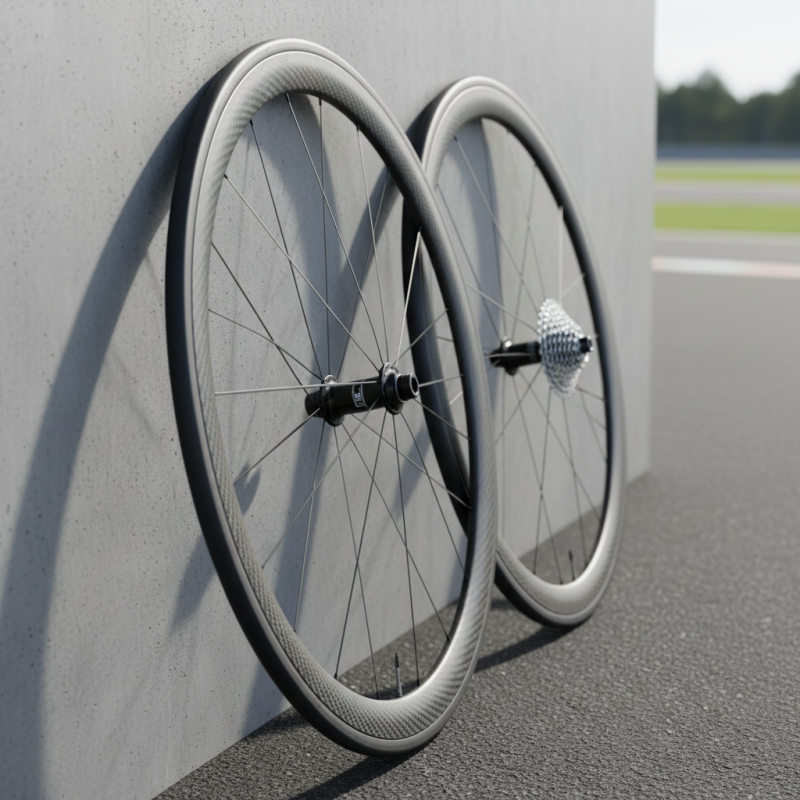
How to Evaluate the Weight vs. Durability of Ultralight Carbon Wheels
When evaluating ultralight carbon wheels, weight and durability often clash. Riders crave lightweight setups for speed. However, the quest for reduced weight can compromise durability. This trade-off can affect performance on different courses, especially rough terrains.
Weighing factors like rim construction and material strength is crucial. The manufacturing process plays a significant role in durability. Some ultralight options may crack under stress, especially during intense racing. On the other hand, heavier models might withstand abuse but slow you down. It's essential to find a balance.
Testing different wheels reveals insights. Personal experience with various conditions can guide choices. Pay attention to how each wheel feels in real-world scenarios. A light wheel is appealing, but not if it leads to breakdowns mid-race. Aim for a wheelset that offers a reliable blend of performance and resilience.
Weight vs. Durability of Ultralight Carbon Wheels for Racing
Understanding the Importance of Aerodynamics in Racing Wheelsets
Aerodynamics plays a crucial role in the performance of racing wheelsets. An effective wheelset reduces drag, allowing athletes to maintain higher speeds with less effort. A study from the Journal of Sports Engineering indicates that aerodynamic drag can account for up to 90% of the resistance a cyclist faces at high speeds. This underscores the vital importance of selecting the right wheelset for optimal performance.
Weight remains an important factor, but aerodynamics often trumps it in racing scenarios. Ultralight carbon wheelsets strike a balance between low weight and high aerodynamic efficiency. Many racers overlook this. For instance, an optimal V-shaped profile can significantly enhance airflow, reducing turbulence. Data suggests choosing wheelsets with a depth of 50mm or more can yield a 10% reduction in drag.
Yet, it's essential to consider real-world conditions. Not all wheelsets perform equally under various weather and terrain conditions. Wind direction and road surface can alter the effectiveness of a wheelset's design. Cyclists frequently learn through experience that investments in aerodynamics must align with specific race conditions to yield the best results. These reflections remind us that understanding each wheelset's behavior in diverse environments is as important as its technical specifications.
Identifying Compatibility: Hub Width and Brake Type for Carbon Wheels
When selecting an ultralight carbon wheelset for racing, compatibility is key. Focus on hub width and brake types to ensure a proper fit. Most modern carbon wheels are designed for specific hub widths, often ranging from 100mm to 110mm upfront and 130mm to 148mm at the rear. Measure your bike’s existing hub width accurately before purchasing. Inconsistent measurements can lead to compatibility issues, limiting performance and safety.
Consider brake type compatibility as well. Many carbon wheels use either disc brakes or rim brakes. Disc brakes provide better modulation and performance in wet conditions. Rim brakes may offer a lighter option for those who prioritize weight savings. Make sure your chosen wheelset matches your bicycle's brake system specifications, as mixing these can lead to unsafe riding experiences.
Tips: Always double-check your bike's specifications. Don’t hesitate to consult with a professional to verify your choices. A good fit ensures the best performance. Sometimes, it’s easy to overlook small details. Small discrepancies can have a big impact. Take your time and reflect on your choices for the best racing experience.
Analyzing the Role of Rim Depth in Speed and Stability for Racers
Rim depth plays a crucial role in the performance of ultralight carbon wheelsets for racing. A deeper rim can improve aerodynamic efficiency by reducing drag. However, this enhancement comes at a cost. Increased depth can lead to less stability, especially in crosswinds. According to a study by the American Society of Cycling Engineers, a depth of 40-50mm strikes a balance between speed and handling for competitive cyclists.
Research shows that shallow rims (20-30mm) excel in maneuverability. These rims handle better in tough conditions, such as sharp turns. This is particularly important in races with varied terrain. However, shallow rims do not offer the same aerodynamic advantage as deeper options. The decision ultimately depends on the racing environment. Cyclists must consider their priorities: speed versus stability.
Weight is another critical factor. A minimal weight decrease can make a significant impact on climbing and acceleration. Lightweight carbon materials can achieve this, yet the trade-off may include reduced durability. This creates a dilemma for racers: should they prioritize ultimate performance or consider the longevity of their equipment? Balancing these elements is essential in choosing the right wheelset.
Key Metrics: Assessing Cost vs. Performance in Carbon Wheelsets
When selecting an ultralight carbon wheelset for racing, cost and performance are essential factors. Price often reflects technology and materials used. High-performance models may feature advanced aerodynamics and weight reduction. However, this can lead to overspending. A wheelset with a slightly lower price might still meet performance needs for amateur racers.
Performance metrics include stiffness, weight, and aerodynamics. Stiffness impacts power transfer. Lighter wheels improve climbing efficiency. Aerodynamics reduce drag. Buyers must determine which metrics matter most. Sometimes, a more affordable wheelset performs exceptionally well in specific races. It’s crucial to evaluate personal needs and racing conditions.
Evaluating these metrics can be overwhelming. Some racers may chase the lightest option, sacrificing durability. Others might prioritize cost but miss out on top-tier performance. Striking the right balance can be difficult. Testing various options and seeking expert advice can help clarify choices. An investment in the right wheelset pays off, enhancing the racing experience.
2026 How to Choose Ultralight Carbon Wheelset for Racing? - Key Metrics: Assessing Cost vs. Performance in Carbon Wheelsets
| Metric | Value | Cost ($) |
| Weight (grams) | 1300 | 1200 |
| Rim Depth (mm) | 50 | 1500 |
| Hub Engagement (degrees) | 10 | 800 |
| Spoke Count | 24 | 1000 |
| Road Feedback (scale 1-10) | 8 | 950 |
| Aerodynamics (drag coefficient) | 0.2 | 1400 |