What is Cnc Metal Parts and How to Source Them Globally?
Cnc Metal Parts are integral to modern manufacturing. They are precision-engineered components created through various computer numerical control (CNC) techniques. These parts play a vital role in industries such as aerospace, automotive, and electronics. Their importance cannot be overstated.
Sourcing Cnc Metal Parts globally presents unique challenges. It requires understanding supply chains, evaluating suppliers, and considering quality control. Not all suppliers meet the same standards. Buyers must be diligent and informed. It’s crucial to work with reputable manufacturers to ensure durability and reliability.
Navigating the global market for Cnc Metal Parts can be overwhelming. Factors such as cost, lead time, and material specifications often complicate decisions. Additionally, cultural differences may affect communication. Reflecting on these challenges is essential for successful sourcing. Quality parts can significantly impact a project’s success. Engaging experts in the field can also provide invaluable insights.
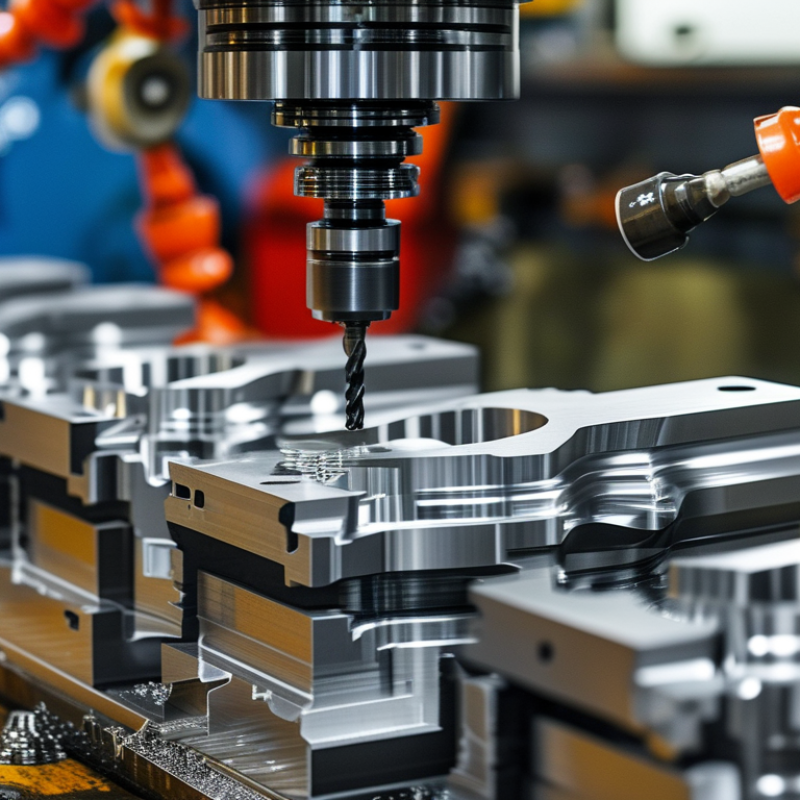
What are CNC Metal Parts?
CNC metal parts refer to components produced using Computer Numerical Control (CNC) machining. This manufacturing process transforms raw metal into precise components. Industries such as aerospace, automotive, and electronics heavily rely on these parts for their functionality and quality. The global CNC machining market was valued at over $63 billion in 2020, showing significant growth and demand.
Precision is key in CNC machining. High tolerance levels, often within a few microns, are required for successful assembly and function. This is critical for enhancing product performance. Reports suggest that 70% of advanced manufacturing processes will continue to adopt CNC technology, driven by the need for efficiency and accuracy. However, sourcing CNC metal parts globally poses challenges, such as quality control and reliability.
Some manufacturers struggle with maintaining quality standards across different countries. Variations in production methods can lead to inconsistencies. Furthermore, lengthy supply chains may introduce delays. Effective sourcing strategies should include vetting suppliers thoroughly and establishing clear quality expectations. Gathering feedback from multiple sources is essential to ensure that the final products meet the required specifications. Balancing cost and quality remains a persistent concern for many companies in the industry.
CNC Metal Parts Sourcing Trends - 2023
The Manufacturing Process of CNC Metal Parts
CNC metal parts are crafted through a precision manufacturing process. This technology utilizes computer numerical control to shape various metals into specific objects. The manufacturing steps generally include designing, programming, and machining. Each stage requires expertise and specialized knowledge to convert ideas into tangible parts.
Design begins with creating a digital model. Engineers use CAD software to outline the dimensions and features. This step is crucial; any errors can lead to waste and increased costs. Following the design, the CNC machine is programmed. Operators input precise parameters to guide the machine during the cutting and shaping processes. The quality of the machine and the skills of the operator greatly influence the final product.
Once the machining is complete, parts require inspection. Quality control checks ensure that each component meets specifications. However, achieving perfection can be challenging. Minor flaws may lead to significant consequences in final assembly. Understanding the manufacturing process of CNC metal parts helps in sourcing reliable suppliers. Building professional relationships is vital for consistent quality.
What is CNC Metal Parts and How to Source Them Globally?
| Aspect | Description | Examples |
| Definition | CNC metal parts are components manufactured using Computer Numerical Control (CNC) technology, which allows for precise and automated machining of metal materials. | Gears, brackets, fittings |
| Materials Used | Common materials include aluminum, steel, brass, and titanium. | Aluminum alloys, stainless steel |
| Manufacturing Process | The process involves designing a CAD model, programming the CNC machine, and machining the material. | Turning, milling, laser cutting |
| Sourcing Strategies | Businesses can source globally by identifying reliable manufacturers, using online platforms, and attending trade shows. | Directories, B2B platforms |
| Quality Assurance | Inspections, testing, and compliance with international standards ensure quality parts. | ISO certification, material certifications |
Key Materials Used in CNC Metal Parts Production
CNC metal parts are critical in various industries, from aerospace to electronics. The quality of these parts largely depends on the materials used in their production. Common materials include aluminum, steel, brass, and titanium. Each material offers unique properties that cater to specific applications.
Aluminum is lightweight and resistant to corrosion. It is ideal for components requiring strength without adding significant weight. Conversely, steel is renowned for its durability and high strength, making it suitable for heavy-duty applications. Brass, with its excellent machinability, is often used in intricate parts. Titanium, while more expensive, provides exceptional strength-to-weight ratios and corrosion resistance, critical in demanding environments.
Sourcing these materials globally requires careful consideration. Suppliers should be vetted for reliability and quality control. Factors like lead times, shipping costs, and regional regulations are essential to assess. The intricacies of sourcing CNC metal parts can be challenging, but with due diligence, high-quality components can be achieved.
Global Sourcing Strategies for CNC Metal Parts
Sourcing CNC metal parts globally requires a strategic approach. To start, identify reliable suppliers from different regions. Countries like China, Germany, and the United States have strong manufacturing infrastructures. Each location offers unique advantages. For instance, China may provide lower costs, while Germany often emphasizes quality.
Building relationships is crucial in global sourcing. Attend trade shows and industry conferences. Networking with manufacturers gives insights into their capabilities. Communication should be clear and consistent. Language barriers can lead to misunderstandings. Utilize translation services if necessary.
Quality assurance is another vital aspect. Implement thorough inspection protocols. Before finalizing orders, request samples to evaluate craftsmanship. Be prepared for potential delays due to logistics or unforeseen challenges. Flexibility can aid in overcoming these obstacles.
Evaluating Quality and Suppliers for CNC Metal Parts
When sourcing CNC metal parts, evaluating supplier quality is crucial. A recent industry report indicates that 60% of manufacturing failures are due to poor supplier performance. This statistic highlights the importance of robust supplier evaluation metrics. Key factors include material certification, manufacturing processes, and quality control measures. An effective supplier should provide comprehensive documentation to verify their capabilities.
Assessing the experience of potential suppliers is essential. Companies with years of experience typically showcase a solid track record in working with various materials, such as aluminum and stainless steel. It’s wise to ask for case studies or references. These offer insight into how suppliers handle projects similar to yours.
Additionally, scrutinizing a supplier's quality management system is vital. Research suggests that manufacturers with ISO 9001 certification often demonstrate superior product reliability. Make sure to visit suppliers’ facilities if possible. This direct observation can reveal aspects of their operations that documents may not show. Reflect on whether the supplier can adapt to changes in your design or production requirements. Flexibility can prevent delays in your supply chain.