Top Tips for Effective Sound Insulation Techniques?
Effective sound insulation is essential for creating a peaceful environment. Whether in homes or offices, unwanted noise can disrupt daily activities. Many people underestimate the impact of good sound insulation. Poor insulation leads to stress and distraction, affecting productivity and relaxation.
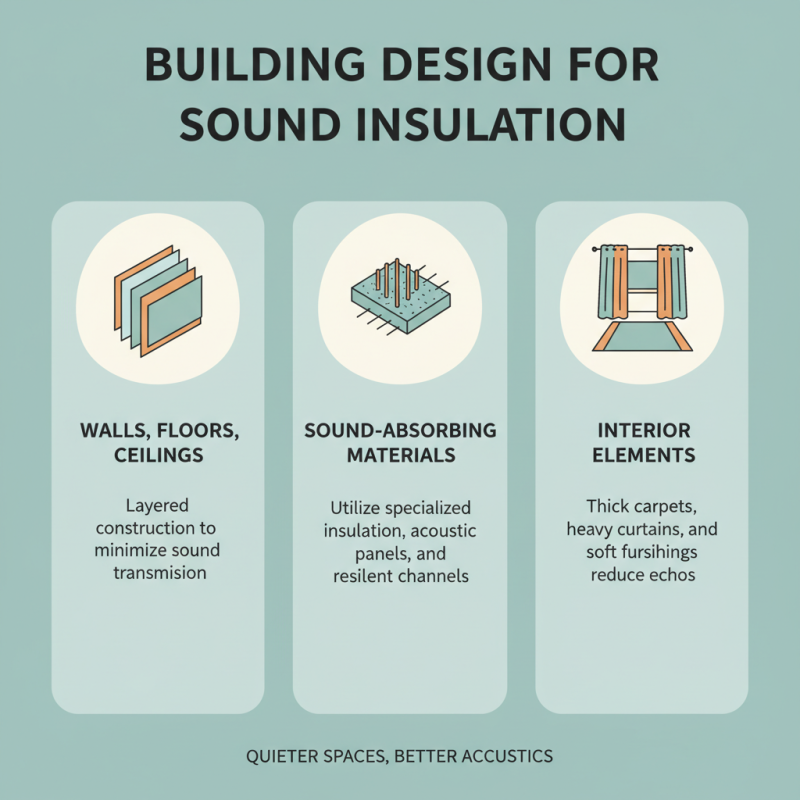
Different techniques can enhance sound insulation. Common methods include using specialized materials and structural adjustments. Thick carpets, heavy curtains, and acoustic panels can absorb sound waves. However, not all approaches work equally well in every space. Some solutions may require trial and error.
Homeowners might find it challenging to choose the right techniques. The process can feel overwhelming. Each space has unique characteristics that influence sound waves. Understanding these aspects can lead to better decisions. Successful sound insulation often involves experimenting with various options. Therefore, be open to insights from professionals and personal experiences.

Understanding Sound Insulation: Key Principles and Importance
Sound insulation is vital in creating peaceful environments in our homes and workplaces. It controls unwanted noise, enhancing comfort and privacy. Understanding its key principles can help you make informed choices. For example, sound travels through different materials at different speeds. Dense materials like concrete provide good sound barriers, while thin materials allow sound to pass through easily.
Installing acoustic panels can dramatically reduce noise levels. These panels absorb sound waves, preventing echoes and reverberations. Think about how often you hear neighbors or street noise. It can disrupt your focus or relaxation. Using area rugs and heavy curtains can also contribute to better sound insulation. They add aesthetic value while serving a functional purpose.
However, achieving perfect sound insulation can be challenging. You might invest in high-quality materials, yet still face leakage through gaps or cracks. It's essential to acknowledge these imperfections and address them continuously. Evaluate your space regularly and adjust as needed. There’s no one-size-fits-all solution, but small changes can lead to a significant impact.
Common Sound Insulation Materials: Their Effectiveness and Applications
Sound insulation is essential for creating a peaceful environment. Different materials serve unique purposes and levels of effectiveness. Common options include fiberglass, foam, and mass-loaded vinyl.
Fiberglass is popular for its affordability. It absorbs sound well, especially in walls and ceilings. Installing it incorrectly may lead to less effectiveness. Foam panels are also effective. They work best in small spaces like home studios. Keep in mind, they don’t block sound but absorb it.
Mass-loaded vinyl offers excellent soundproofing. It's dense and can be added to walls, floors, or ceilings. This material is effective but can be tricky to install. Proper sealing is crucial to prevent gaps. Small mistakes may cause sound leaks, reducing its performance.
Considering tips for insulation is helpful. Always plan before purchasing materials. Measure spaces to buy the right amount. Focus on coverage rather than just thickness. Every layered approach can enhance sound isolation. Regularly check for wear and damage on existing materials.
Measurement Techniques for Evaluating Sound Insulation Performance
When evaluating sound insulation performance, accurate measurement techniques are crucial. Using a sound level meter can help identify noise levels in different environments. This tool measures sound intensity effectively. However, ensure the meter is calibrated correctly. Improper calibration can lead to misleading results.
A common method for assessing sound insulation is the Impact Sound Test. This involves dropping a weighted object from a certain height. It’s simple but reliable. Yet, it may not always reflect real-world conditions. The results can vary based on materials and design.
Consider these tips for effective sound insulation: use dense materials for walls and ceilings. Leveraging mass can significantly reduce sound transmission. Another tip is to incorporate acoustic panels. These can absorb sound waves. They’re especially useful in noisy areas. But remember, even the best techniques might not eliminate all noise.
Top Tips for Effective Sound Insulation Techniques
| Technique |
Description |
Effectiveness Rating (1-5) |
Cost Estimate |
| Acoustic Panels |
Soft panels designed to absorb sound waves. |
4 |
$100 - $400 |
| Mass Loaded Vinyl (MLV) |
A heavy material added to walls or ceilings to block sound. |
5 |
$1 - $2 per sq ft |
| Double Glazing |
Windows with two layers of glass to reduce noise pollution. |
5 |
$300 - $800 per window |
| Soundproof Drywall |
Specially designed drywall that includes sound-dampening properties. |
4 |
$50 - $70 per sheet |
| Sealants and Caulks |
Products used to fill gaps and cracks to prevent sound leakage. |
3 |
$10 - $30 per tube |
Maintenance Practices to Ensure Long-lasting Sound Insulation Quality
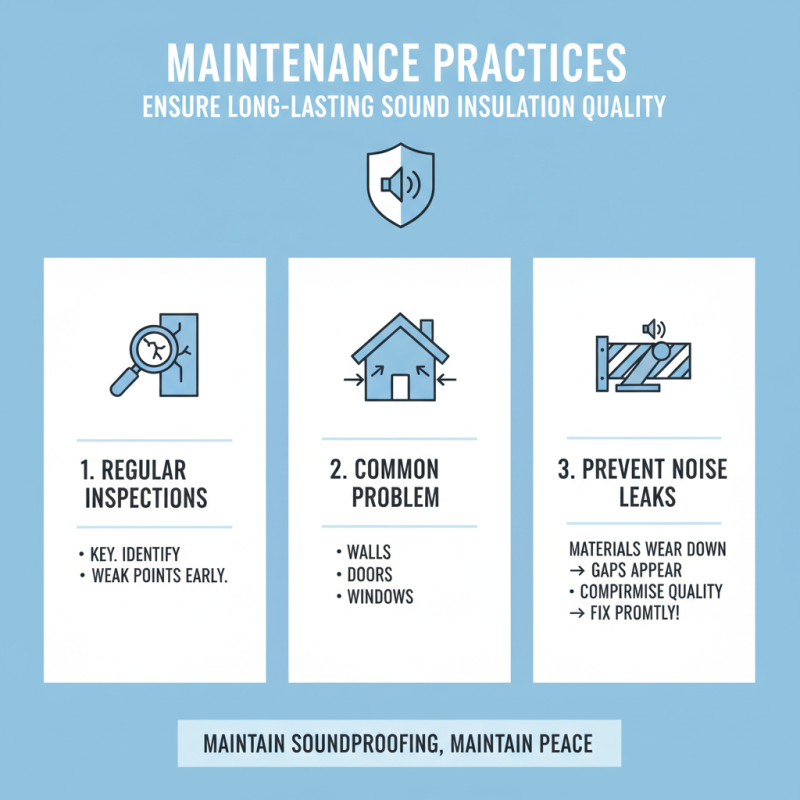
When it comes to sound insulation, regular maintenance is key. Over time, materials can wear down. Small gaps may appear. This can lead to noise leaks that compromise the overall quality. Regular inspections help identify these weak spots early. Pay attention to walls, doors, and windows, where sound often escapes.
One tip for maintaining sound insulation is to check seals. Ensure that weather stripping around doors is intact. If you notice wear, replace it promptly. Similarly, inspect windows for cracks. A simple caulking job can make a big difference. Adequately sealing these areas reduces unwanted noise significantly. It’s a small effort that yields substantial benefits.
Another practice involves keeping insulation materials clean. Dust and debris can gather over time, dampening soundproofing effectiveness. Vacuuming or gently wiping down surfaces is a smart move. Remember, damp materials attract noise, and cleanliness is vital. If you find any moisture, address it quickly. In cases of severe degradation, consider updating the insulation. This could be the refresh your space needs.