Why Sound Treatment Is Essential for Creating an Ideal Acoustic Environment?
Creating an ideal acoustic environment is essential in many contexts, including studios, offices, and public spaces. Sound treatment plays a crucial role in achieving this goal. According to a report by Acoustics.com, poor sound quality can reduce productivity by 10% in workplace settings. In homely spaces, excessive noise can lead to stress and hinder relaxation. This highlights the need for effective sound treatment in both professional and personal environments.
Moreover, the World Health Organization notes that long-term exposure to noisy environments can lead to serious health issues. It is more than just about comfort; sound treatment can influence our well-being. A well-designed acoustic space fosters creativity and improves communication. Yet, many overlook sound treatment until issues arise. This reactionary approach may lead to regrets. Planning for appropriate sound treatment from the beginning can prevent common pitfalls, such as echoes and distracting background noises.
In conclusion, understanding the importance of sound treatment is vital for any acoustically-focused endeavor. The investment in sound treatment today can lead to a more functional and enjoyable environment tomorrow. Acknowledging these factors is the first step in transforming any ordinary space into an acoustic oasis.
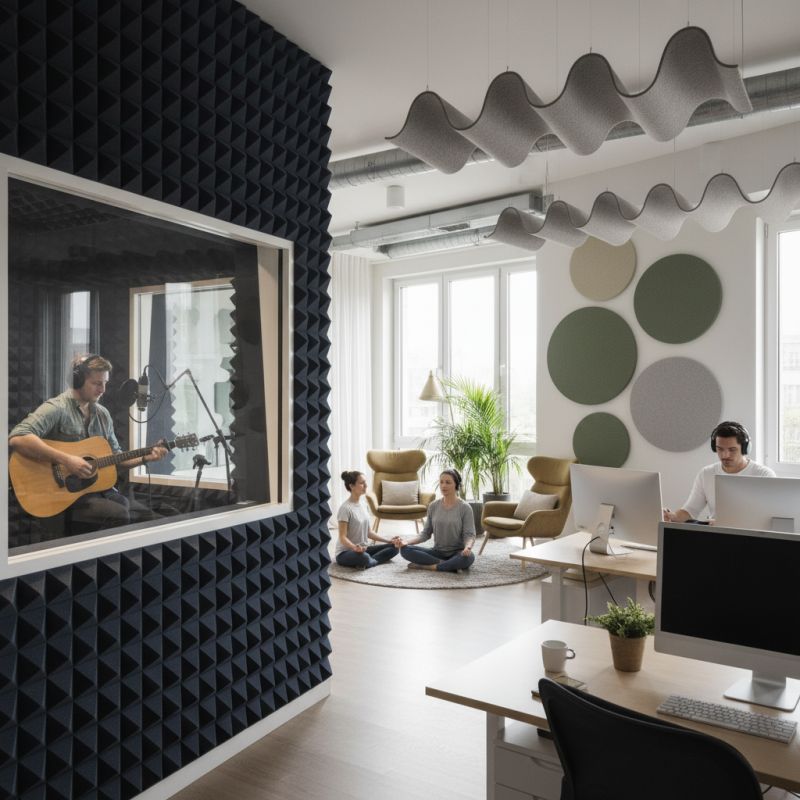
Understanding Acoustic Environment Fundamentals
Creating an ideal acoustic environment hinges on understanding its fundamentals. Acoustics refers to how sound behaves in a space. This includes how sound waves travel, interact with surfaces, and how we perceive them. An ideal acoustic space enhances communication and provides comfort. It minimizes echoes and unwanted noise, creating a serene atmosphere.
Tip: Consider the materials in your space. Hard surfaces reflect sound. Softer materials, like carpets and curtains, absorb it. A mix of both often works best.
An effective acoustic environment is not just about soundproofing. It's about balance. Reflective surfaces can enhance clarity, but too much can make spaces uncomfortable. Think of a school classroom. A noisy environment can hinder learning. In contrast, a well-designed room promotes engagement.
Tip: Pay attention to room layout. Arranging furniture strategically can improve sound distribution. Irregular shapes often help break up sound waves. This approach can lead to an unexpected harmony.
Paying attention to acoustics can be challenging. It requires a keen understanding of space and sound interactions. It is not always straightforward. Sometimes, trial and error is involved in getting it right. However, the outcome is worth the effort. The joy of a perfectly tuned room is unparalleled.
Why Sound Treatment Is Essential for Creating an Ideal Acoustic Environment? - Understanding Acoustic Environment Fundamentals
| Dimension |
Description |
Importance |
Example Treatments |
| Sound Absorption |
The ability of a material to reduce sound energy. |
Reduces echo and improves clarity of sound. |
Acoustic panels, carpets, drapes |
| Sound Diffusion |
Scattering sound waves to create a more even sound field. |
Enhances spatial quality of sound. |
Diffusers, irregular surface panels |
| Background Noise Control |
Managing undesirable sounds from external sources. |
Prevents distraction and enhances focus. |
Soundproofing materials, barriers |
| Room Shape and Size |
Physical dimensions and geometry of the space. |
Affects sound distribution and resonance. |
Design adjustments, Tuning space |
| Isolation |
Preventing sound from leaving or entering a space. |
Ensures privacy and sound integrity. |
Mass loaded vinyl, double-glazed windows |
Importance of Sound Treatment in Various Spaces
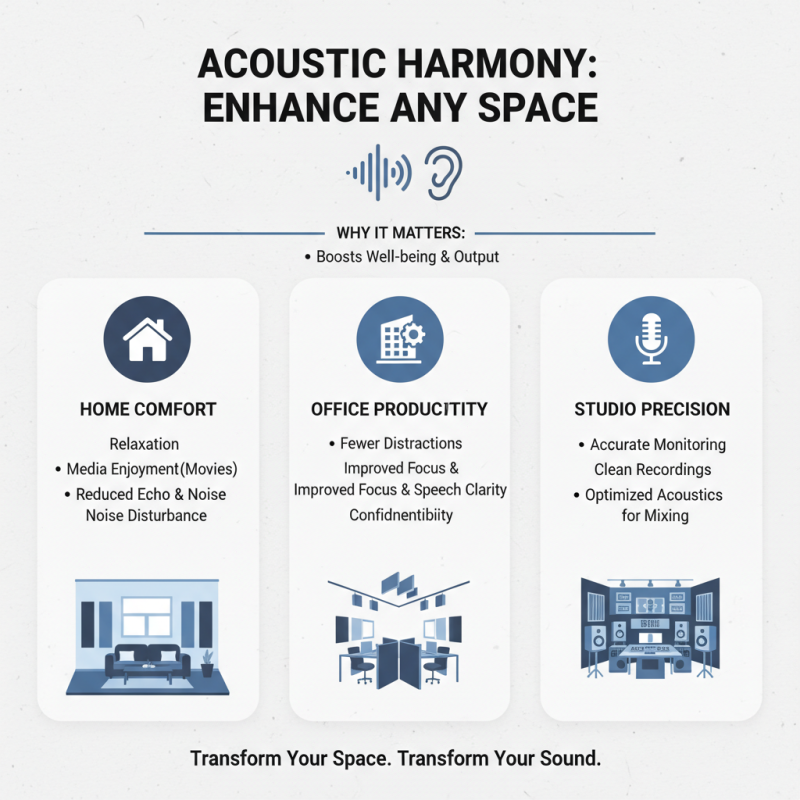
Creating an ideal acoustic environment is vital for various spaces. Whether it’s a home, office, or studio, sound treatment helps enhance comfort and functionality. Uncontrolled sound can lead to distractions and reduce productivity. Rooms without proper sound management can seem chaotic, affecting mood and focus.
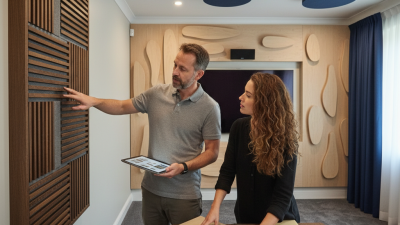
In a home setting, sound treatment makes a significant difference. Soft furnishings and curtains absorb sound. Adding rugs also helps dampen noise. A well-treated space can transform the atmosphere, making it cozier. Empty rooms may echo, creating a less inviting feel. Installing acoustic panels can address this issue, but they shouldn’t dominate the space visually.
In offices, clarity of communication is essential. Hard surfaces can cause sound to bounce around, leading to misunderstandings. Sound treatment can include wall panels or even sound-absorbing plants. These solutions might not be perfect, and their aesthetic appeal varies. Experiment with different elements to find what works best, adjusting as necessary. Listening closely to the changes can guide further improvements.
Common Sound Treatment Methods and Technologies
Creating an ideal acoustic environment involves effective sound treatment. Many methods can be employed to manage sound. Absorption panels are a common choice. They reduce echo and improve speech clarity in rooms. These panels can be made from various materials. Foam panels have a popular soft texture, while fabric-wrapped options offer aesthetic appeal.
Another key method is diffusion. Diffusers scatter sound waves evenly across a space. This helps prevent sound focusing, which can create uneven audio experiences. Often, wooden or plastic diffusers are used in studios. They can also enhance the visual aspect of the room. Some people struggle with placement. A poorly positioned diffuser may lead to unexpected acoustic issues.
Bass traps are essential for controlling low frequencies. They are typically placed in corners where bass tends to build up. However, some may find it overwhelming to balance bass levels. Too many traps can make a room sound lifeless. It's crucial to experiment with their placement. Each space has its unique challenges and solutions. Finding the right balance can take time and adjustment.
Evaluating the Effectiveness of Acoustic Solutions
Creating an ideal acoustic environment hinges on the effectiveness of sound treatment solutions. Research indicates that
up to 30% of office workers report reduced productivity due to
poor acoustics. This has serious implications. Noise distractions can reduce concentration and diminish overall
workplace satisfaction.
In a study by the National Institute for Occupational Safety and Health, it was found that implementing
effective acoustic treatments can lead to a 50% improvement in
communication and collaboration among employees. However, many organizations overlook the complexity of acoustic issues.
Depending on the space, conventional solutions may not suffice.
For instance, open-plan offices often amplify sound waves, creating a cacophony that typical sound treatments struggle
to mitigate. Customized solutions, including sound-absorbing panels and strategic space planning, are essential. Yet,
many still ask whether they truly understand their acoustic needs. The path forward involves embracing tailored approaches,
ensuring that the acoustic environment meets both functional and aesthetic needs.
Impact of Ideal Acoustics on Human Experience and Performance
Creating ideal acoustics significantly influences human experience and performance. Acoustic environments impact productivity, focus, and even well-being. A recent report by the World Health Organization notes that poor acoustics can lead to increased stress and decreased efficiency in workplaces. Noise levels above 55 decibels can hinder concentration, causing errors in judgment and performance.
In classrooms, effective sound treatment improves learning outcomes. Studies show that students in well-designed acoustic environments score 20% higher on tests. Clarity of sound affects comprehension and engagement. In restaurants, a pleasant acoustic setting enhances customer satisfaction. When noise levels are controlled, diners enjoy meals more and stay longer. This indirectly boosts revenues.
Yet, many spaces overlook acoustic design. Offices often have hard surfaces, creating echo and noise. Inadequate sound treatment leads to frustration. People feel overwhelmed and distracted. Reflection is necessary in these environments. Investing in good acoustics may seem costly, but it often pays off. The benefits to performance and satisfaction cannot be ignored.
Importance of Sound Treatment in Acoustic Environments
This bar chart illustrates the impact of ideal acoustics on human experience and performance across various settings, highlighting how sound treatment contributes to productivity, concentration, and overall well-being.