What is Home Automation Benefits and Features Explained?
Home Automation is transforming how we manage our living spaces. This technology connects various devices in our homes, allowing for seamless control and monitoring. Imagine adjusting your thermostat or lights with a simple voice command or smartphone app. Such convenience is just one aspect of what Home Automation offers.
Beyond mere ease of use, Home Automation can enhance security. Smart cameras and alarm systems provide peace of mind, alerting homeowners to unusual activities. However, the effectiveness of these systems depends on how well they are configured. A poorly set up device may give a false sense of security.
Energy efficiency is another appealing feature. Smart solutions can optimize energy use, potentially lowering bills. Yet, this requires a thoughtful approach to maximize the benefits. Without proper understanding, users may miss out on savings and functionality. Home Automation indeed presents exciting prospects, but critical evaluation is essential for effective implementation.
Understanding Home Automation: Definition and Overview
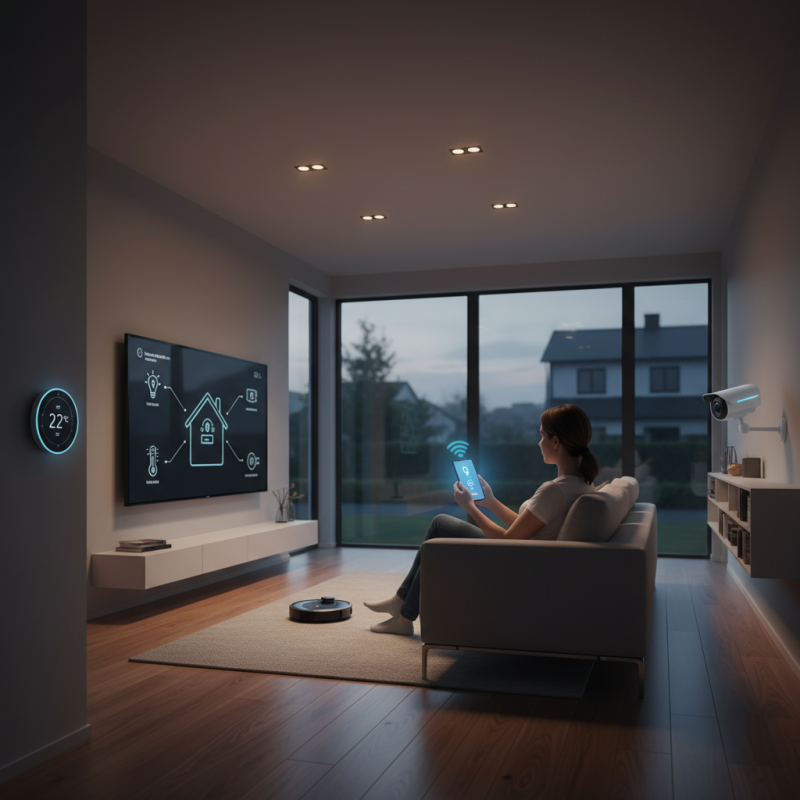
Home automation simplifies everyday living by connecting devices and systems through the internet. This technology allows you to control lighting, heating, security, and more from your smartphone or through voice commands. Imagine adjusting your thermostat without getting up. This is the convenience home automation brings.
Many people find it challenging to start their home automation journey. Choosing the right devices can feel overwhelming. Begin with a few essential elements, like smart lights or a security system. Expand your setup gradually based on your needs and preferences. This way, you'll avoid the stress of a complete overhaul.
Consider learning about compatibility among devices. Not all smart devices work well together. Research can save you time and money. Also, think about your priorities. What do you need the most? Focusing on specific features first can create a more satisfying experience.
Key Benefits of Home Automation for Everyday Life
Home automation transforms our daily lives by enhancing convenience and security. A recent study by Statista indicates that the global smart home market is projected to reach $174 billion by 2025. This growth highlights the increasing demand for automated solutions in homes. With smart devices, homeowners can control lighting, heating, and security systems remotely. This level of control ensures that everyday tasks become simpler and more manageable.
Cost savings are another key benefit of home automation. According to a report by the International Energy Agency, smart thermostats can reduce heating bills by up to 30%. This not only decreases monthly expenses but also contributes to energy efficiency. Automated lighting systems adjust based on occupancy, leading to further savings. However, while automation offers many advantages, it is essential to consider ongoing maintenance costs and potential technical issues that may arise.
Moreover, home automation enhances security. Features like remote monitoring and alerts enable homeowners to keep an eye on their properties from anywhere. A survey by Parks Associates found that 28% of U.S. households now own smart security devices. However, privacy concerns persist. It is vital to ensure proper security measures are in place to protect personal data. Balancing convenience with security remains a challenge for many users embracing these technologies.
Essential Features of Home Automation Systems Explained
Home automation systems have become increasingly popular due to their essential features. A recent report by MarketsandMarkets predicts the smart home market will reach $174 billion by 2025. This growth reflects a rising interest in convenience and efficiency. Home automation offers streamlined control over lighting, heating, and security systems through a centralized interface. Such integration not only enhances user experience but also saves energy, potentially cutting utility bills by up to 30%.
One key feature is automation scheduling. This allows devices to operate at specific times, adapting to occupants' routines. For instance, lights can dim at sunset while thermostats adjust temperatures for comfort. Moreover, remote access through mobile apps provides users with control from anywhere. A 2022 survey found that 76% of homeowners felt more secure with smart security systems. Though these systems enhance safety, they raise concerns about privacy. Misconfigurations can expose personal data, leading to a need for cautious implementation.
Interconnectivity is another vital aspect. Many devices can communicate, creating a cohesive ecosystem. Smart speakers can control lights or lock doors with voice commands. A study by Statista reveals that nearly 45% of households own at least one smart device. While the benefits are clear, users must remain vigilant against cybersecurity threats. Regular updates and strong passwords are essential in maintaining security. Embracing home automation should involve careful consideration of both convenience and potential risks.
Popular Home Automation Technologies and Devices
Home automation is revolutionizing how we live. Many homeowners are opting for smart devices to enhance convenience and security. According to a report by MarketsandMarkets, the global home automation market is expected to reach over $78 billion by 2024. This growth reflects a rising interest in technology that integrates into daily life.
Popular technologies include smart lighting, thermostats, and security systems. Smart lighting allows you to control your home's ambiance with a mobile app or voice command. Thermostats learn your schedule, helping you save energy and money. Security systems offer remote monitoring and alerts, ensuring peace of mind even when you are away from home.
When considering home automation, assess your lifestyle choices. Start with one or two devices that can streamline daily tasks. Focus on systems that integrate easily with each other. Reflect on your needs; sometimes, less is more. Quality over quantity often prevails in home automation. Always prioritize devices with strong user support and reviews.
Future Trends in Home Automation: What to Expect
The landscape of home automation is rapidly evolving. In 2023, the global smart home market is expected to reach around $130 billion, according to recent market reports. This growth reflects a stronger consumer interest in smart technology for everyday living. The increase in device interconnectivity allows homeowners to manage various systems from one platform, enhancing convenience.
Future trends will push the boundaries of innovation. Energy-efficient solutions will become more marketable. For instance, AI-enabled systems will learn from user behavior, optimizing energy consumption. This could result in savings up to 30% on utility bills. However, concerns about data privacy remain a significant issue. Users must consider how personal data is handled by these devices.
Integration of technologies such as voice activation and machine learning promises a seamless experience. However, complexity might also increase. As more automated features emerge, users could face challenges in managing an interconnected ecosystem. Balancing innovation with user-friendliness will be key for manufacturers moving forward.
What is Home Automation Benefits and Features Explained? - Future Trends in Home Automation: What to Expect
| Feature | Description | Benefits |
| Remote Access | Control home devices from anywhere using a smartphone or tablet. | Convenience and enhanced control over home systems. |
| Energy Management | Automatically adjust heating, cooling, and lighting based on usage patterns. | Reduces energy bills and environmental impact. |
| Security Features | Smart cameras, alarms, and door locks can be monitored and controlled remotely. | Enhanced security and peace of mind. |
| Voice Control | Control devices using voice commands through virtual assistants. | Hands-free convenience and accessibility. |
| Home Automation Scenes | Pre-set groups of devices to perform specific functions with one command. | Simplifies daily routines and saves time. |