+1 877-337-9312 | sale@sflbuild.com

Blog

What is Noise Control and How Can It Benefit Your Business?

Noise control is a vital aspect of modern business operations. It involves managing sound levels to create a comfortable work environment. Excessive noise can harm employee productivity and well-being. By implementing noise control strategies, companies can significantly improve their workplaces.

The benefits of noise control are manifold. Employees in quieter environments tend to focus better and experience less stress. This leads to higher job satisfaction and retention rates. Effective noise management can also enhance communication among team members.

However, achieving optimal noise control is not always easy. Each business has unique sound challenges. Evaluating current noise levels is essential for understanding specific needs. Investing in professional solutions may be necessary. Thus, businesses must reflect on their own environments and adapt accordingly.

What is Noise Control and How Can It Benefit Your Business?

What is Noise Control in the Workplace?
What is Noise Control and How Can It Benefit Your Business?

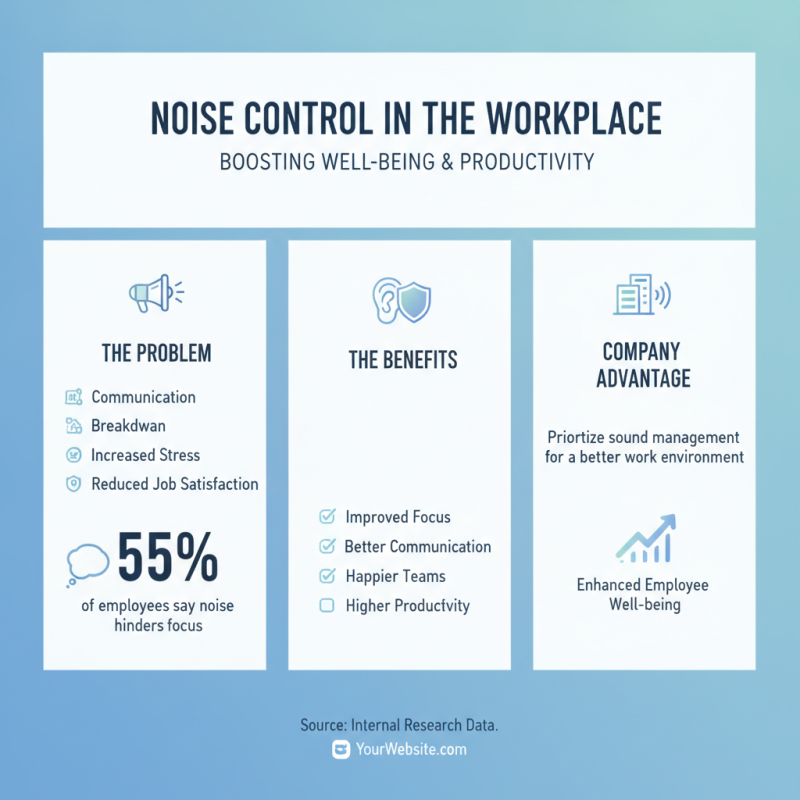
Noise control in the workplace is increasingly recognized as a vital aspect of employee well-being and productivity. Excessive noise can lead to communication breakdown, increased stress, and reduced job satisfaction. Research shows that 55% of employees believe that noise interferes with their ability to focus. Companies that prioritize sound management create better environments for their teams.

Implementing effective noise control can lead to tangible benefits. A study by the Centers for Disease Control and Prevention found that reduced noise levels can significantly lower stress levels among workers. Moreover, organizations that invest in acoustic treatments often see improvements in overall employee performance. Unfortunately, many businesses still overlook this aspect, allowing unnecessary distractions to persist in their workspaces.

It’s essential to recognize that noise pollution is not just an aesthetics issue—it directly impacts productivity. Employees exposed to high noise levels may experience increased fatigue and decreased creativity. A quiet workspace encourages collaboration and clearer communication. Investing in sound-absorbing materials and creating quiet zones can enhance focus and foster a more pleasant work atmosphere. Many companies are still struggling to implement these changes effectively, which invites reflection on their operational practices and workplace culture.
The Importance of Noise Control for Employee Health and Productivity

Noise control plays a crucial role in any workplace. Research indicates that excessive noise can lead to significant productivity losses. A study from the Occupational Safety and Health Administration (OSHA) reports that environments with high noise levels can reduce employee performance by over 25%. This drop in efficiency often results from difficulties in communication and increased stress.

Employee health is intricately linked to noise levels in the workplace. High noise exposure is associated with various health issues, including hearing loss, increased blood pressure, and heightened anxiety. The World Health Organization states that prolonged exposure to noise can lead to cardiovascular diseases. Even minor noise disturbances can disrupt focus, resulting in errors and accidents.

Creating quieter workspaces can yield substantial benefits. Companies that implement effective noise control measures often see boosts in employee morale and satisfaction. A report from the Center for Disease Control (CDC) shows that businesses investing in soundproofing report up to a 15% increase in overall productivity. However, many organizations still overlook this aspect, often underestimating its impact on employee well-being and output. Addressing noise issues is not just beneficial; it is essential for fostering a healthier and more productive work environment.

Overview of Noise Control Regulations and Standards in Various Industries

What is Noise Control and How Can It Benefit Your Business?

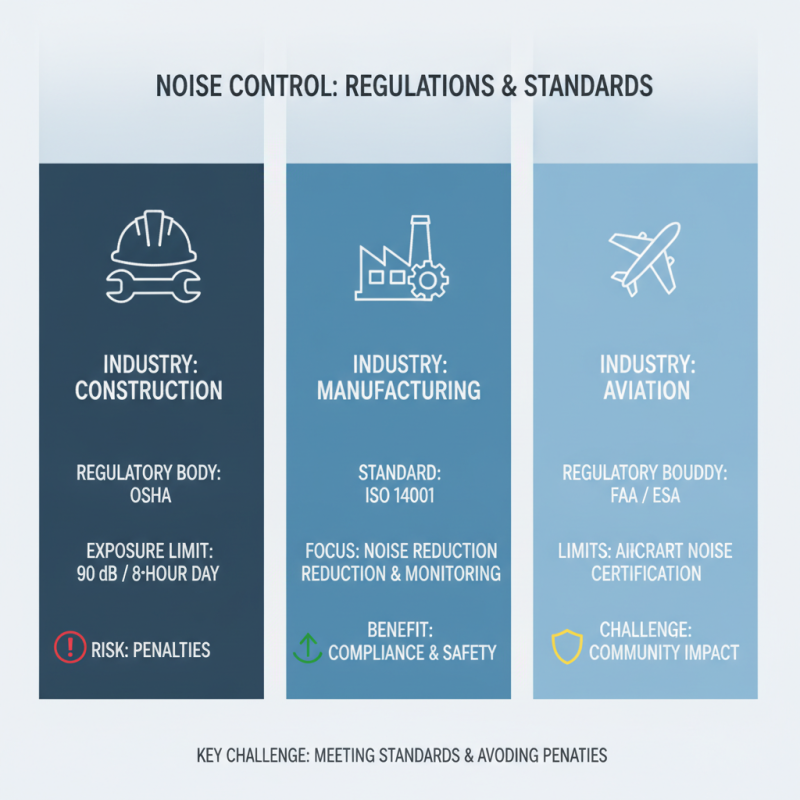
Noise control is critical in various industries, influenced by specific regulations and standards. In construction, the Occupational Safety and Health Administration (OSHA) mandates noise exposure limits. For example, exposure cannot exceed 90 decibels over an 8-hour workday. Companies often struggle to meet these standards, risking penalties.

In the manufacturing sector, noise-induced hearing loss is a major concern. According to the Centers for Disease Control and Prevention (CDC), about 22 million workers are exposed to hazardous noise levels each year. The American National Standards Institute (ANSI) provides guidelines to mitigate noise. These suggest regular assessments and protective measures, which many facilities overlook, leading to chronic employee issues.

In healthcare, noise control affects patient recovery. The World Health Organization (WHO) indicates that excessive noise can hinder healing. Hospitals implement sound-reducing technologies, yet many still grapple with compliance. The challenge lies in balancing operational efficiency with regulatory demands. Sound monitoring must be continuous, and many find this commitment daunting. As industries evolve, understanding and implementing effective noise control practices will remain a complex task.

Economic Benefits of Implementing Noise Control Measures in Businesses

Noise control in businesses significantly impacts their economic performance. High noise levels can lead to decreased productivity among employees. In a noisy environment, workers often struggle to concentrate, which affects their output. Implementing noise control measures helps create a more focused workplace.

Investing in soundproofing or acoustic panels can yield long-term savings. Lower employee turnover is one benefit. With a quieter atmosphere, workers feel more comfortable and engaged. Additionally, fewer noise complaints can lead to improved relations with neighbors and clients.

It's important to assess current noise levels regularly. This may require trial-and-error approaches. Not every solution works for every business. Some initial investments can seem high, but the return on this investment may surprise you. Consider consulting with experts in the field to tailor solutions to your specific needs.

Economic Benefits of Implementing Noise Control Measures in Businesses

Case Studies: Successful Noise Control Implementation and Its Impact on ROI

Noise control is becoming critical for businesses aiming for higher productivity. Several case studies reveal the economic advantages of reducing workplace noise. For instance, a report from the Environmental Protection Agency (EPA) shows that noise levels over 85 dB can decrease worker efficiency by 50%. A quiet office can boost morale and inspire creativity. Teams are more likely to collaborate effectively in a calm environment.

A manufacturing firm implemented noise control measures and saw a significant return on investment (ROI). They reported a 30% reduction in worker fatigue and a 20% increase in output within six months. This aligns with data from the World Health Organization (WHO), which indicates that noise reduction can lower stress levels. Lower stress results in fewer sick days and decreased turnover rates.

While these case studies show positive results, some challenges persist. Not all employees may adapt to quieter spaces. Training sessions might be necessary to maximize benefits. Businesses also need ongoing assessments of noise control measures. Regular monitoring ensures that the solutions in place effectively address noise issues.

What is Noise Control and How Can It Benefit Your Business?

Business Sector Noise Control Method Impact on Employee Productivity Return on Investment (ROI)
Manufacturing Acoustic Panels Increased by 15% 20% Improvement
Office White Noise Machines Increased by 10% 15% Improvement
Hospitality Floor Carpeting Increased by 12% 18% Improvement
Healthcare Sound Masking Systems Increased by 20% 25% Improvement
Education Noise Barriers Increased by 8% 10% Improvement