What is Noise Insulation and How Does It Improve Your Living Space
Noise insulation plays a critical role in enhancing the comfort and functionality of living spaces in an increasingly noisy world. As urbanization expands, the demand for effective noise insulation systems has surged, with recent industry reports indicating that the global noise insulation market is projected to reach $23 billion by 2025, growing at a CAGR of 7.4% (Industry Research Report, 2022). This underscores the growing recognition of the importance of reducing ambient noise levels in residential and commercial buildings alike.
According to Dr. Emily Hansen, a leading expert in acoustic engineering, "Effective noise insulation can dramatically transform the quality of life for individuals by creating serene environments within their own homes." Her insights reflect an industry's consensus that inadequate soundproofing can lead to increased stress and reduced productivity among occupants. The implementation of noise insulation solutions not only improves the acoustics within spaces but also has been shown to enhance overall well-being and satisfaction for residents.
As we explore the various aspects of noise insulation—its types, benefits, and implementation methods—it becomes clear that investing in proper insulation systems is essential. By doing so, homeowners and builders can create more pleasant, functional, and livable environments that serve as a refuge from the clamor of everyday life.
What is Noise Insulation?
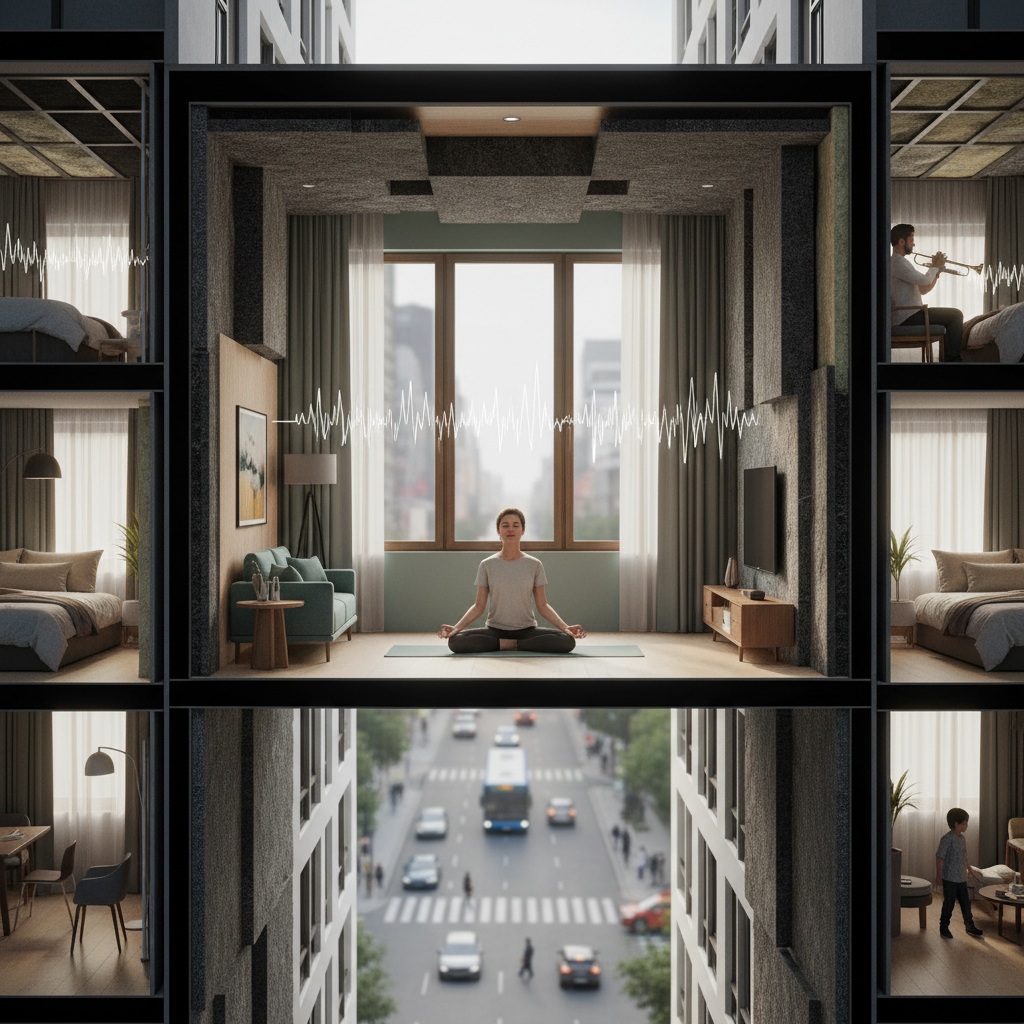
Noise insulation refers to the methods and materials used to reduce the transmission of sound from one space to another. It plays a critical role in enhancing the comfort of living environments, particularly in urban settings where noise pollution is prevalent. By integrating various noise-insulating materials into walls, floors, and ceilings, homeowners can create a more peaceful atmosphere in their homes. Effective noise insulation can not only diminish disruptive sounds from outside but also enhance privacy between rooms.
To improve noise insulation in your living space, consider using carpets and rugs to absorb sound on floors. Heavy drapes can also provide an additional layer of soundproofing on windows. Installing acoustic panels on walls can significantly reduce echoes and unwanted noise, particularly in larger rooms. Lastly, sealing gaps and cracks in walls and around windows and doors can prevent sound leakage, thus enhancing the overall effectiveness of your noise insulation efforts.
As the global acoustic market is projected to grow significantly by 2034, investing in noise insulation not only improves living conditions but can also increase the value of your property. Strategies for better noise insulation can yield noticeable benefits, creating a sanctuary from the bustling world outside.
What is Noise Insulation and How Does It Improve Your Living Space
| Type of Noise Insulation |
Material Used |
Effectiveness Rating (dB) |
Best For |
| Acoustic Panels |
Foam, Fabric |
30 - 50 dB |
Home Theaters, Recording Studios |
| Soundproof Drywall |
Gypsum, Mass Loaded Vinyl |
40 - 70 dB |
Residential Walls |
| Insulated Windows |
Double Glazing, Laminated Glass |
25 - 50 dB |
Homes Near Busy Streets |
| Floor Underlayment |
Foam, Rubber |
20 - 30 dB |
Apartment Floors |
| Acoustic Sealant |
Silicone, Latex |
N/A |
Sealing Gaps in Walls |
The Importance of Noise Insulation in Living Spaces
Noise insulation plays a crucial role in enhancing the quality of living spaces by minimizing unwanted sound transmission. In urban environments, where external noise from traffic, construction, and social activities can be overwhelming, effective noise insulation strategies can create a serene retreat within the home.
By using materials that absorb sound and techniques that prevent sound waves from penetrating walls, floors, and ceilings, residents can enjoy a more peaceful atmosphere.
Moreover, the importance of noise insulation extends beyond comfort; it significantly impacts mental well-being. Constant exposure to noise pollution has been linked to increased stress levels and disrupted sleep patterns. By investing in noise insulation, homeowners can create an environment conducive to relaxation and rejuvenation, improving overall quality of life.
Children can study better, families can bond without distractions, and individuals can engage in hobbies peacefully, making noise insulation an essential feature in modern living spaces.
Common Materials Used for Noise Insulation
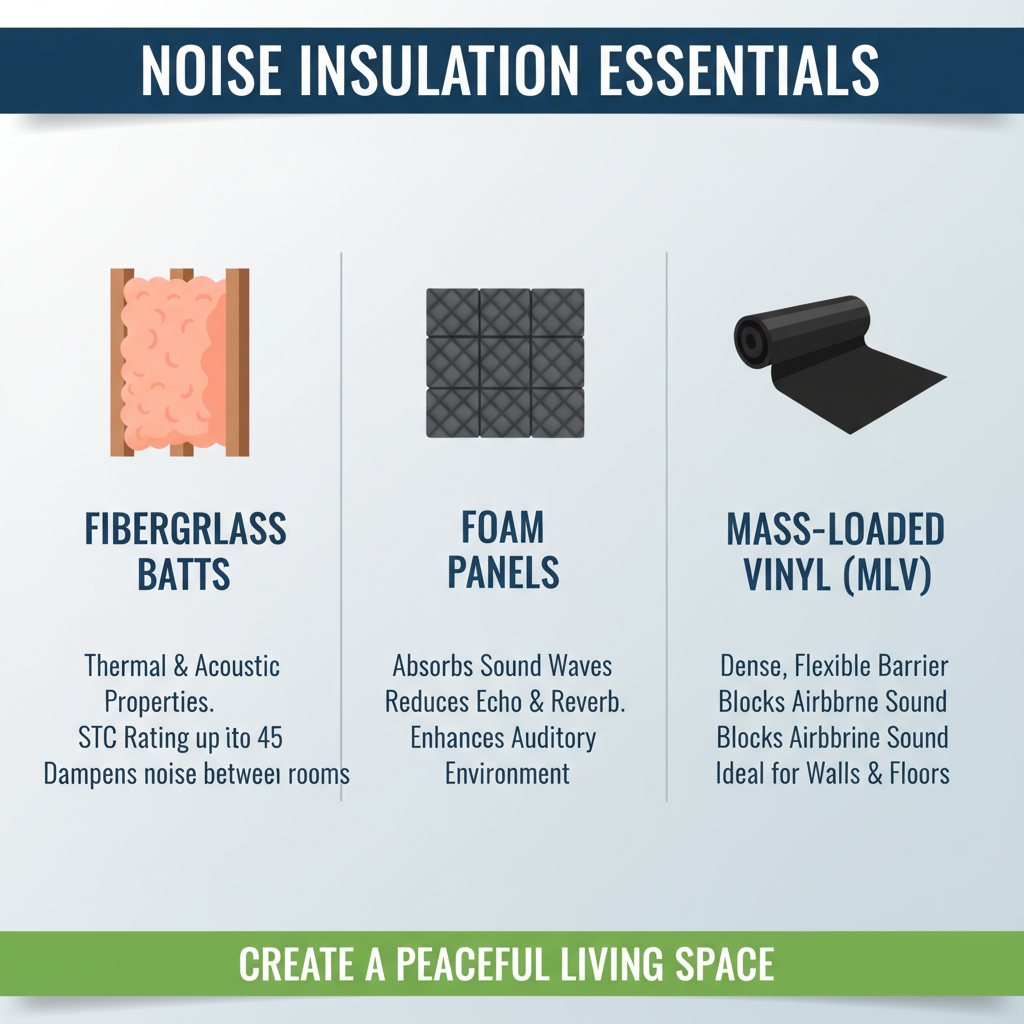
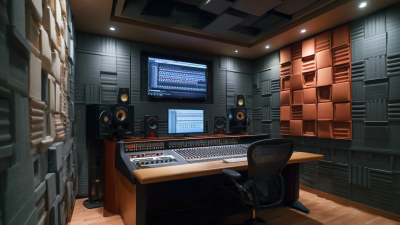
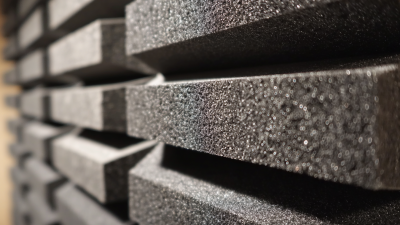
Noise insulation is essential for creating a comfortable living space, as it helps reduce unwanted sound from outside. Common materials used for noise insulation include fiberglass, foam panels, and mass-loaded vinyl (MLV). Fiberglass batts are popular for their thermal and acoustic properties, with an STC (Sound Transmission Class) rating that can reach up to 45, effectively dampening noise between rooms. Foam panels, often used in recording studios and home theaters, can absorb sound waves, reducing echo and reverberation, further enhancing the auditory environment.
Another effective material is mass-loaded vinyl, which offers high sound insulation levels without excessive bulk. Its density allows it to block sound transmission significantly, making it ideal for walls, floors, and ceilings. According to a report by the National Institute of Standards and Technology, MLV can achieve an STC rating of 25-30 when installed correctly.
Tips: When selecting noise insulation materials, consider the specific noise sources in your environment. For example, pairing MLV with sound-absorbing foam can create a multi-layered barrier that is particularly effective. Additionally, ensure proper installation to maximize performance, as even the best materials can fall short if not applied correctly.
How Noise Insulation Techniques Work
Noise insulation is an essential component of creating a comfortable living environment, particularly in urban settings or densely populated areas. One effective technique involves the use of sound-absorbing materials such as acoustic panels, carpets, and heavy drapes. These materials work by trapping sound waves, reducing their ability to bounce off hard surfaces and minimizing echo. The strategic placement of these materials can significantly lower the overall noise levels, making a space feel more serene and peaceful.
Another prominent method of noise insulation is the installation of double-glazed windows. This technique involves two panes of glass separated by an air gap, which serves to dampen sound transmission from outside. Additionally, adding insulation to walls and ceilings, such as fiberglass batts or foam panels, helps to block airborne noise and reduce impact sound from foot traffic or nearby activities. By employing these techniques, individuals can create a more tranquil living space that enhances both comfort and privacy.
Benefits of Noise Insulation for Comfort and Privacy
Noise insulation plays a crucial role in enhancing comfort and privacy in living spaces. By effectively blocking or absorbing sound, it creates a serene environment that is essential for relaxation and productivity. Whether you live in a bustling urban area or a quiet suburb, noise insulation helps shield you from disruptive external noises such as traffic, construction, or noisy neighbors. This improved acoustic comfort not only allows for a more peaceful living experience but also reduces stress levels, contributing to overall well-being.
In addition to comfort, noise insulation significantly enhances privacy in both residential and commercial settings. With proper soundproofing measures, conversations and activities within a space remain confidential, allowing individuals to enjoy their activities without the fear of being overheard. This is particularly beneficial in multifamily homes or office buildings where shared walls can transmit sounds easily. Investing in noise insulation is not just about minimizing disturbances; it is also about creating a secure and relaxing space where individuals can thrive without unwelcome interruptions.