What is the Role of Building Panels in Modern Construction?
Building panels play a critical role in modern construction. They are lightweight, versatile, and offer quick assembly. According to the Global Market Insights report, the global building panels market was valued at over $150 billion in 2021, with growth projected as sustainable construction rises.
Energy efficiency is a significant benefit of building panels. A report by the U.S. Department of Energy stated that proper insulation can reduce energy costs by up to 30%. This efficiency not only helps developers but also provides long-term savings for homeowners. However, there are challenges. The reliance on specific materials can lead to supply chain disruptions.
While building panels provide innovative solutions, the industry must address sustainability. A recent study suggested that traditional panels have environmental impacts that need careful consideration. As construction evolves, balancing efficiency and eco-friendliness becomes crucial. Building panels are a key part of that conversation.
The Evolution of Building Panels in Modern Architecture
Building panels have come a long way. Initially, they were simple materials.
Over time, they evolved into complex structures that enhance architectural designs. Their versatility shakes up traditional methods.
Today, they serve various purposes, from insulation to aesthetic value.
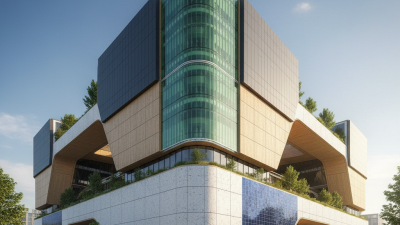
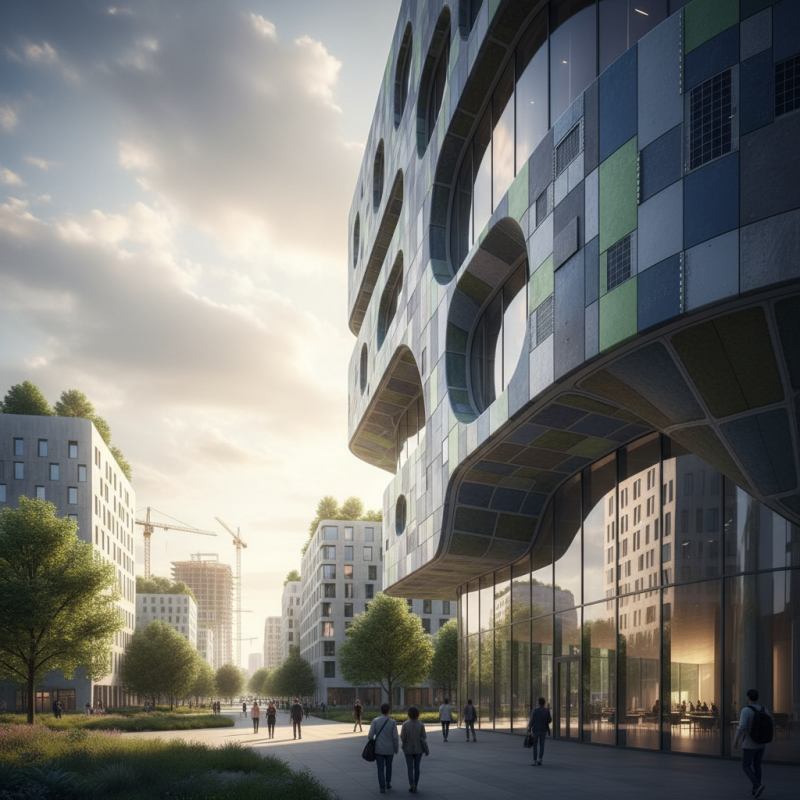
Modern architecture utilizes panels in unique ways. Panels can be large or small, depending on the design. Some buildings opt for
bold, striking surfaces that catch the eye. Others choose
subtle textures that blend with nature. However, this can be tricky.
Finding the right balance between form and function is essential, yet often overlooked.
The wrong choice can compromise a building's integrity.
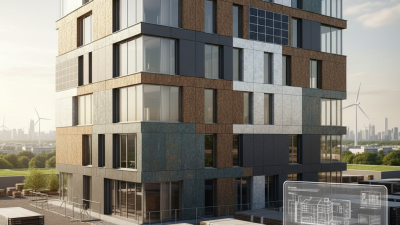
Architects now experiment with different materials. Wood, metal, and composites all have their advantages and downsides.
Each material can change the building's character. Yet, some designs may lack harmony due to poor material selection.
It's crucial to reflect on these choices to achieve true innovation. Modern construction needs to embrace these opportunities and learn
from past mistakes.
Types of Building Panels: Materials and Applications
Building panels are crucial in
modern construction. They serve various functions, from insulation to structural support.
These panels come in different materials, each with unique advantages. Common types include
wood,
metal, and
concrete panels.
According to a recent industry report, wood panels
account for over 30% of the market share
due to their sustainability and versatility.
Metal panels have gained popularity,
especially in commercial buildings. Their durability and resistance to weather are key selling points.
The global demand for metal panels is expected to grow by 5% annually,
driven by urbanization. However, metal can be prone to
corrosion, requiring careful consideration during installation.
Concrete panels are ideal for fire resistance and thermal mass.
They can reduce energy costs significantly. Yet, the installation process can be challenging and requires skilled labor.
This complexity sometimes leads to project delays. Overall, while building panels enhance construction efficiency,
choosing the right type can be daunting and may lead to complications if not adequately assessed.
Advantages of Using Building Panels in Construction
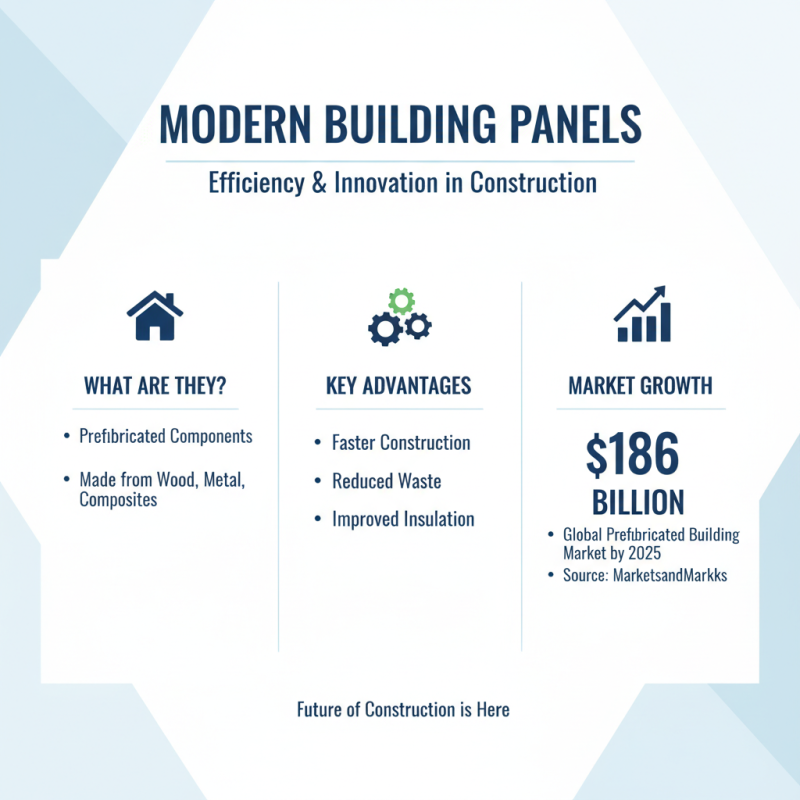
Building panels play a significant role in modern construction, offering numerous advantages. These panels are prefabricated components made from various materials, including wood, metal, and composites. A report by MarketsandMarkets indicates that the global prefabricated building market is expected to reach $186 billion by 2025. This highlights the growing reliance on efficient building methods.
One key advantage is the speed of construction. Building panels can reduce construction time by up to 30%. Workers can assemble components quickly on-site. This efficiency saves labor costs and helps projects stay on schedule. However, some may argue that reliance on panels can lead to a lack of customization. While panels are efficient, their uniformity may not suit every architectural vision.
Another benefit is energy efficiency. Many building panels have superior insulation properties. A study by the U.S. Department of Energy revealed that homes built with insulated panels can save up to 50% in energy costs compared to traditional building methods. This is not just beneficial for occupants but also for the environment. Still, it's important to consider the lifecycle impacts of these materials. Sustainability in sourcing and end-of-life disposal often requires more focus.
Sustainable Practices in Building Panel Manufacturing
In modern construction, building panels play a significant role. They streamline the construction process and enhance energy efficiency. However, the sustainability of these panels is often questioned. The methods used for manufacturing them can have a lasting environmental impact.
Sustainable practices in building panel manufacturing are crucial. Many manufacturers are now turning to recycled materials. This reduces waste and minimizes the consumption of new resources. Yet, not all materials are created equal. Some eco-friendly options can lead to durability issues. Finding the right balance between sustainability and longevity is a challenge.
Additionally, energy consumption during production raises concerns. Many factories still rely on fossil fuels. This contradicts the very purpose of green building practices. Improving energy efficiency in manufacturing processes remains an area for growth. Transparency in sourcing materials is another ongoing issue. Consumers and builders need clear information to make informed choices.
What is the Role of Building Panels in Modern Construction? - Sustainable Practices in Building Panel Manufacturing
| Panel Type |
Material |
Sustainability Rating |
Thermal Performance (R-Value) |
Recyclability |
| Structural Insulated Panels (SIPs) |
Polyurethane Foam, OSB |
High |
R-5.0 to R-6.0 |
Yes |
| Prefabricated Concrete Panels |
Concrete, Steel Reinforcement |
Moderate |
R-1.0 to R-2.0 |
Partially |
| Cross Laminated Timber (CLT) |
Laminated Wood |
High |
R-3.0 to R-4.0 |
Yes |
| Fiber Cement Panels |
Cement, Fiber Reinforcement |
Moderate |
R-1.5 to R-2.5 |
Limited |
| Metal Panels |
Aluminum, Steel |
Moderate |
R-1.0 |
Yes |
Future Trends in Building Panel Technologies and Innovations
Building panels are evolving rapidly in modern construction. Their role has expanded from mere structural components to integral parts of energy efficiency and sustainability. Innovations in materials are leading the way. Lightweight panels made from composites are becoming popular. These materials are not only strong but also offer superior thermal insulation.
Future trends in building panel technologies are promising. Smart panels equipped with sensors will monitor structural health. This will lead to safer buildings and enhanced efficiency. Additionally, the integration of renewable energy sources within panels is gaining traction. Imagine panels that capture sunlight and convert it into energy while forming the walls of your home.
Tip: When considering building panels, think about insulation and energy efficiency. Choose materials that fit the climate and project needs.
Another trend is the rise of modular design. Prefabricated panels allow for faster assembly. This approach minimizes construction time and waste on site. However, quality control can be challenging. Always check the specifications before installation.
Tip: Research local regulations and standards. Understanding zoning laws can save you time and money.