What is Sound Treatment and How Does It Improve Your Audio Experience
In the realm of audio production and music enjoyment, the concept of "sound treatment" plays a crucial role in enhancing acoustic performance. As we delve into the intricacies of sound treatment, it's essential to understand how it can profoundly improve our auditory experiences. Renowned sound engineer and acoustics expert, Dr. Emily Carter, emphasizes the significance of this practice, stating, "Sound treatment is not just about adding panels; it’s about creating an environment where sound can thrive."
Sound treatment involves the strategic use of materials and techniques to control sound reflections, absorption, and diffusion within a space. This process not only minimizes unwanted reverb and echo but also helps to create a more balanced listening environment. By optimizing audio quality, sound treatment allows listeners to fully appreciate the nuances of music and sound production, leading to a more immersive experience.
As we explore the various methods and benefits of sound treatment, it becomes clear that investing in an acoustically optimized space is vital for both casual listeners and professional audio creators alike. Whether in a home studio, personal listening area, or a concert hall, sound treatment is an indispensable element in unlocking the full potential of audio quality.
What is Sound Treatment: A Definition and Overview
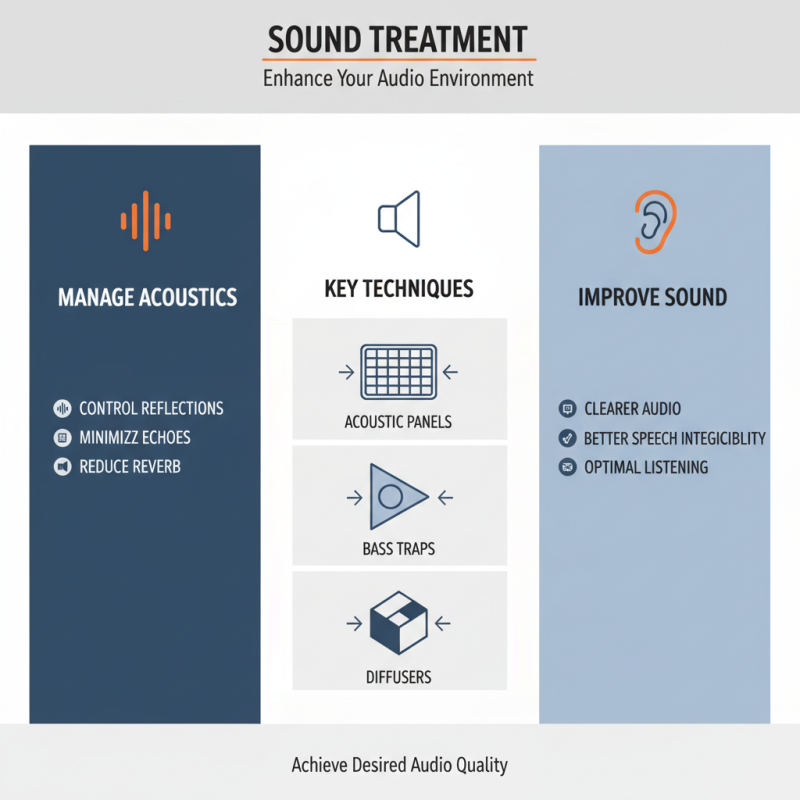
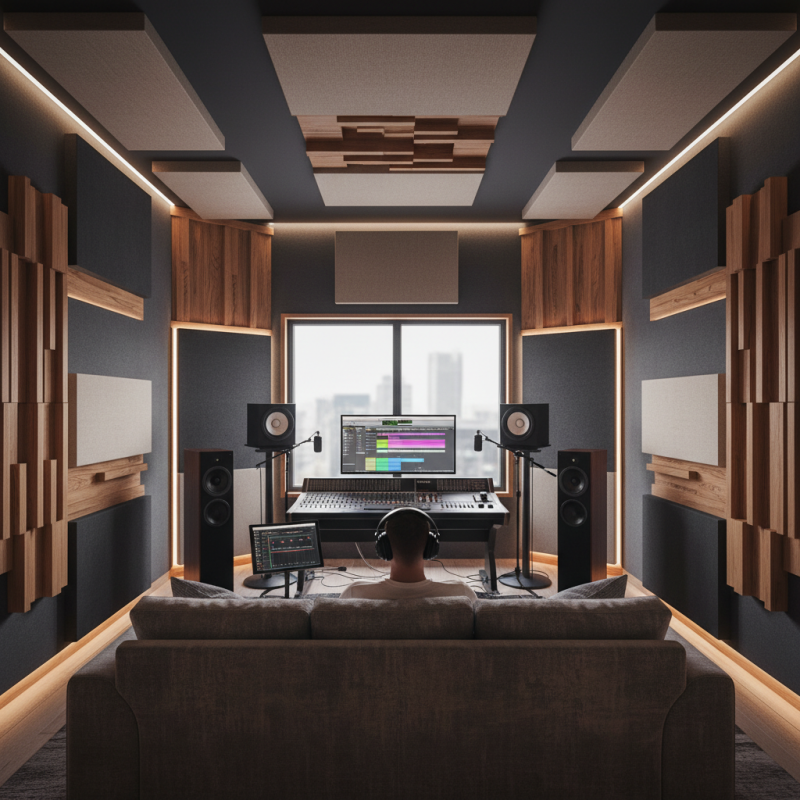
Sound treatment refers to the process of managing and controlling acoustic properties within a space to achieve a desired audio quality. This involves utilizing various techniques and materials to minimize unwanted reflections, echoes, and reverberations that can muddle sound clarity. Common sound treatment includes the installation of acoustic panels, bass traps, and diffusers, which work collaboratively to enhance the sound environment.
By effectively treating a space, sound treatment aims to create a more balanced audio experience. This is especially important in settings like recording studios, home theaters, or any area where high-fidelity sound is a priority. Proper sound treatment allows for a clearer representation of audio, which can enhance both music listening and sound production, making it easier for listeners to engage with the nuances of the sound. Overall, sound treatment transforms any environment into a more acoustically hospitable space, significantly elevating the overall audio experience.
The Importance of Sound Treatments in Audio Quality
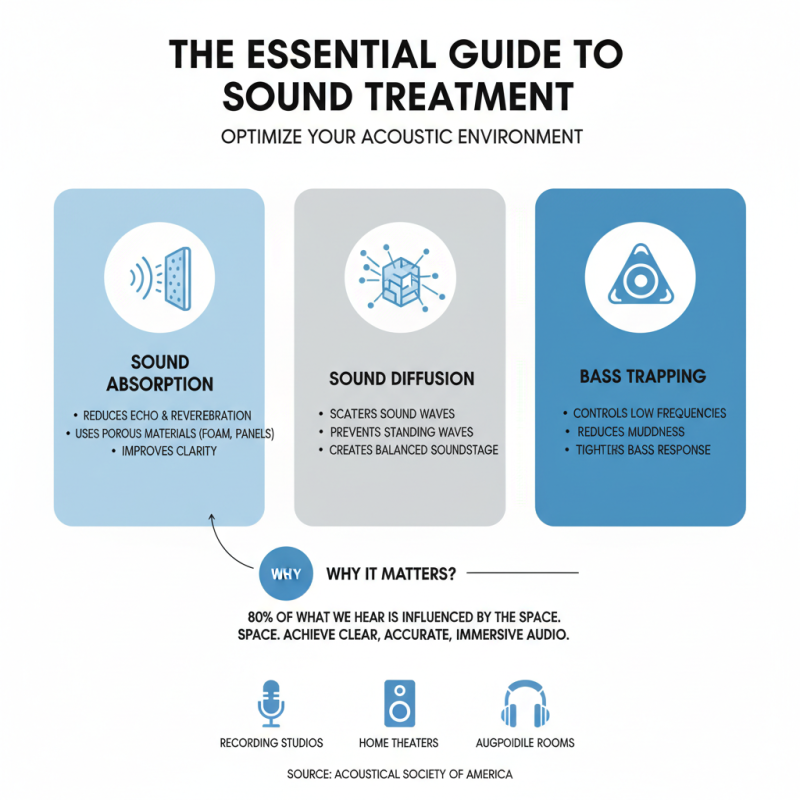
Sound treatment plays a critical role in enhancing audio quality by optimizing the acoustic environment in which sound occurs. According to the Acoustical Society of America, nearly 80% of what we hear is influenced by the space around us, making sound treatment essential for achieving clear and accurate audio. Such treatments include the use of absorptive materials that reduce echo, diffuse surfaces that scatter sound waves, and bass traps that control low-frequency energy. The result is a more balanced and immersive listening experience, whether in a recording studio, home theater, or any audiophile environment.
When implementing sound treatments, it's important to consider the specific needs of the space. For example, applying foam panels strategically can significantly reduce mid to high-frequency reflections that often cause muddiness in audio reproduction. According to a report by the Audio Engineering Society, environments with proper sound treatment can see a 30% improvement in sound clarity and detail.
Tips for effective sound treatment include first assessing your space with a sound level meter to identify problem areas, then focusing on first reflection points where sound bounces off walls. Furthermore, layering different types of treatments can provide a fuller sound profile and prevent over-damping, which can result in a lifeless audio experience. Efforts in sound treatment not only improve audio quality but also contribute to a more enjoyable and engaging listening experience overall.
Types of Sound Treatment Solutions and Their Applications
Sound treatment is essential for optimizing audio environments, especially in both professional and home settings. There are various types of sound treatment solutions, each designed to tackle specific acoustic issues. For instance, absorption panels are widely used to reduce reverberation and control excessive sound reflections. According to a study by the Acoustical Society of America, untreated rooms can have reverberation times exceeding 2 seconds, which can severely hinder audio clarity, especially in music recording or listening scenarios. Implementing absorption materials can significantly improve this parameter, leading to a more balanced and controlled sound.
Another common solution is diffusion, which scatters sound waves, preventing destructive interference that can lead to dead spots in a room. Research published in the Journal of the Audio Engineering Society indicates that effective diffusion can enhance the spatial quality of sound and maintain a natural listening experience. Additionally, bass traps are crucial for managing low-frequency sounds that can easily overwhelm a space, contributing to muddiness in audio playback. This form of treatment has been shown to lower sound pressure levels in the bass region by as much as 10 dB in problematic areas, thereby creating a more accurate and enjoyable listening environment. By incorporating these treatments, musicians, sound engineers, and audiophiles can achieve a significant enhancement in their audio experiences.
Impact of Sound Treatment Solutions on Acoustic Performance
How Sound Treatment Enhances Acoustic Experience in Various Settings
Sound treatment plays a crucial role in enhancing acoustic experiences across various settings, whether in a home studio, concert hall, or even a standard living room. By strategically utilizing materials that absorb or diffuse sound waves, sound treatment can significantly minimize undesirable reflections, echoes, and background noise. For musicians and sound engineers, this creates an environment where they can hear their work with clarity, allowing for precise recording and mixing.
In more personal spaces like home theaters or listening rooms, sound treatment contributes to a more immersive experience. Proper acoustic management ensures that sound travels evenly throughout the space, providing a balanced audible spectrum that can reveal subtle details in a film's score or a music track. Moreover, treatments can help in controlling bass buildup, which is often a major concern in irregularly shaped rooms. By addressing these acoustic challenges, individuals can enjoy a richer, more engaging audio experience that is free from distractions and distortions.
DIY Sound Treatment vs. Professional Solutions: Pros and Cons
When considering sound treatment for improving audio experiences, one must weigh the options between DIY solutions and professional services. DIY sound treatment can be a cost-effective approach, allowing individuals to customize their space according to specific acoustic needs. According to a 2021 report by the Audio Engineering Society, simple modifications like adding rugs,
curtains, and strategically placed foam panels can reduce echo up to 40% in average-sized rooms. This empowers users to create a more enjoyable listening environment without a significant financial investment.
On the other hand, professional sound treatment offers a level of expertise and tailored solutions that DIY methods may lack. Professionals assess the unique characteristics of a space, using advanced tools to measure sound frequencies and identify problem areas. The International Home Studio Association reports that professionally treated spaces can achieve an optimal sound environment, reducing overall noise levels by as much as 60%. While the initial investment may be higher, the long-term benefits of enhanced sound quality and clarity often justify the expense for serious audiophiles and musicians.
Balancing the pros and cons of DIY versus professional options ultimately depends on individual needs, budget, and the level of audio fidelity sought.