Top Tips for Choosing Acoustic Sound Panels for Your Space?
When creating a comfortable environment, acoustic sound panels play a crucial role. These panels absorb sound, reducing echoes and improving clarity. Choosing the right panels for your space can be a complex task. There are various styles, materials, and sizes to consider.
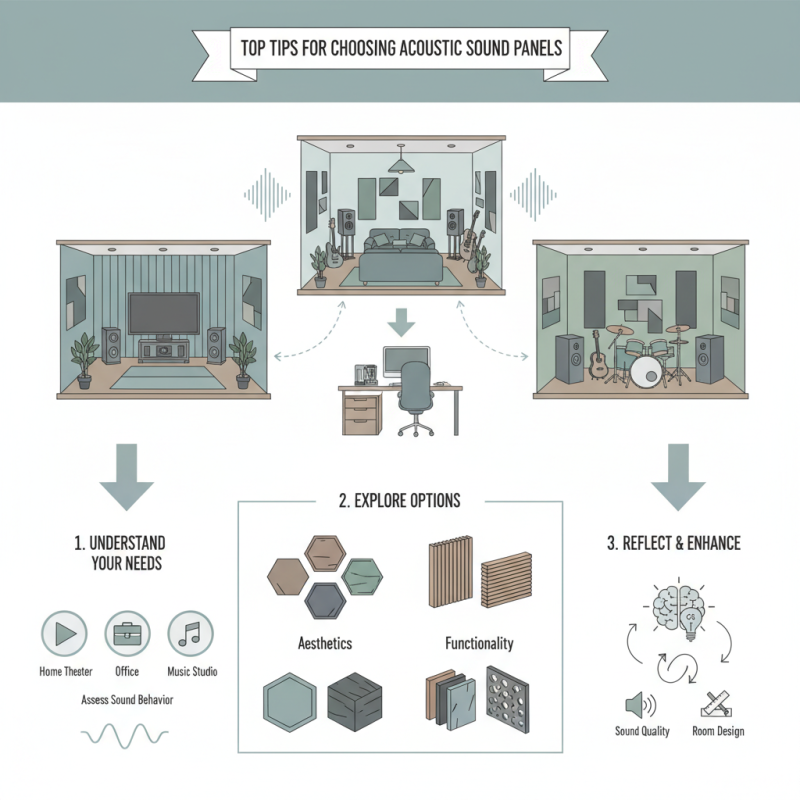
Start by understanding your specific needs. Do you require panels for a home theater, office, or music studio? Each space has unique acoustic requirements. It’s vital to assess how sound behaves in your area. This consideration will guide your selection process.
Exploring different options can feel overwhelming. Focus on the aesthetics and functionality of acoustic sound panels. Not all panels are created equal, and you may find some don’t fit your vision. Reflect on your choices carefully. A perfect fit enhances both sound quality and the room’s design.
Understanding the Purpose of Acoustic Sound Panels in Your Space
Acoustic sound panels play a crucial role in creating a comfortable audio environment. They help reduce unwanted noise and echo in various spaces. Understanding their purpose can significantly enhance your overall experience in a room. Poor acoustics can lead to distractions and difficulty in communication. Sound panels absorb specific frequencies, improving clarity and reducing background noise.
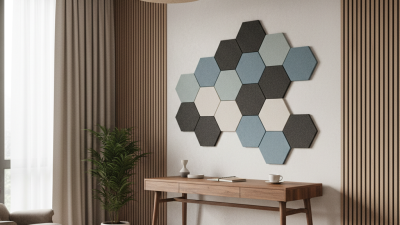
When selecting acoustic panels, think about your unique space. Consider the size and layout of the room. Are the walls bare or do they have furniture to assist with sound absorption? The panel material also matters. Fabric panels often provide aesthetic appeal and functionality. Wood, on the other hand, offers a distinct style. Measure the area where you plan to install them to ensure a proper fit.
Many users underestimate the impact of acoustic treatment. Some panels may look great but perform poorly. Test different options to find what really works. Don't hesitate to ask for expert advice when needed. Not all environments are the same, and what works for one might not suit another. Embrace the process of discovery in your journey towards better acoustics.
Evaluating Different Types of Acoustic Sound Panels Available
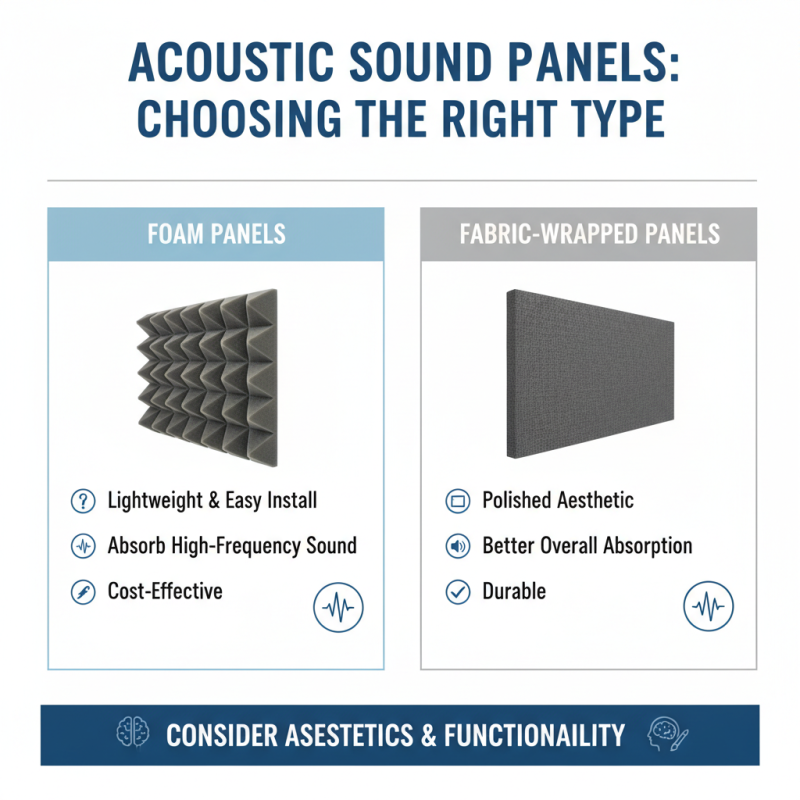
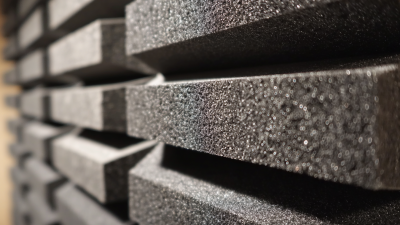
When evaluating different types of acoustic sound panels, consider the material they are made from. Foam panels are lightweight and easy to install. They absorb high-frequency sounds effectively. On the other hand, fabric-wrapped panels provide a more polished look and offer better sound absorption overall. It's essential to think about the aesthetics as well as the functionality.
Another factor to contemplate is the panel thickness. Thicker panels generally perform better in absorbing lower frequencies. However, they may occupy more space. In smaller rooms, slimmer panels might be more practical. Remember, the balance between appearance and acoustics is key.
Tips to remember include measuring your space accurately. An oversized panel might overwhelm a small room. In contrast, tiny panels in a large venue may underperform. Consider mixing different types of panels for a customized solution. Don't rush this decision; reflect on your specific needs. Each type has its strengths and weaknesses, so choose wisely.
Assessing the Acoustic Needs of Your Space Before Selection
When selecting acoustic sound panels, understanding the acoustic needs of your space is crucial. Assess the room size, shape, and furniture layout. Larger rooms may require more panels, while smaller spaces might need less. Identify where echoes or excessive noise occur. Listening closely can reveal problematic areas that require attention.
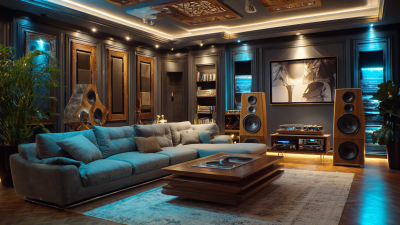
Consider the purpose of the space. Is it a recording studio, a home theater, or an open office? Each setting has unique acoustic requirements. For instance, studios prioritize sound isolation and clarity. In contrast, open offices often aim to reduce ambient noise. Think about other factors too, like the number of occupants and types of activities.
A few tips can enhance your decision-making. First, don’t just focus on aesthetics. Functionality should be your priority. Second, performance varies; not all panels work for every situation. Experimenting with different types in your space is wise. Finally, reflect on your experience. If you find certain panels don’t perform as expected, be willing to adapt and change your approach.
Top Tips for Choosing Acoustic Sound Panels for Your Space
| Dimension |
Description |
Recommended Value |
| Room Size |
Calculate total square footage of the space |
200 - 400 sq. ft. |
| Ceiling Height |
Height of the ceiling affects sound absorption |
8 - 12 feet |
| Surface Materials |
Identify materials that reflect or absorb sound |
Carpet, drywall, glass |
| Sound Reduction Goals |
Define the level of sound reduction needed |
Reduce echo by 50% |
| Aesthetic Preferences |
Choose designs and colors that blend with decor |
Customizable options |
| Panel Thickness |
Influences the effectiveness of sound absorption |
1 to 4 inches |
Choosing the Right Materials and Aesthetics for Your Panels
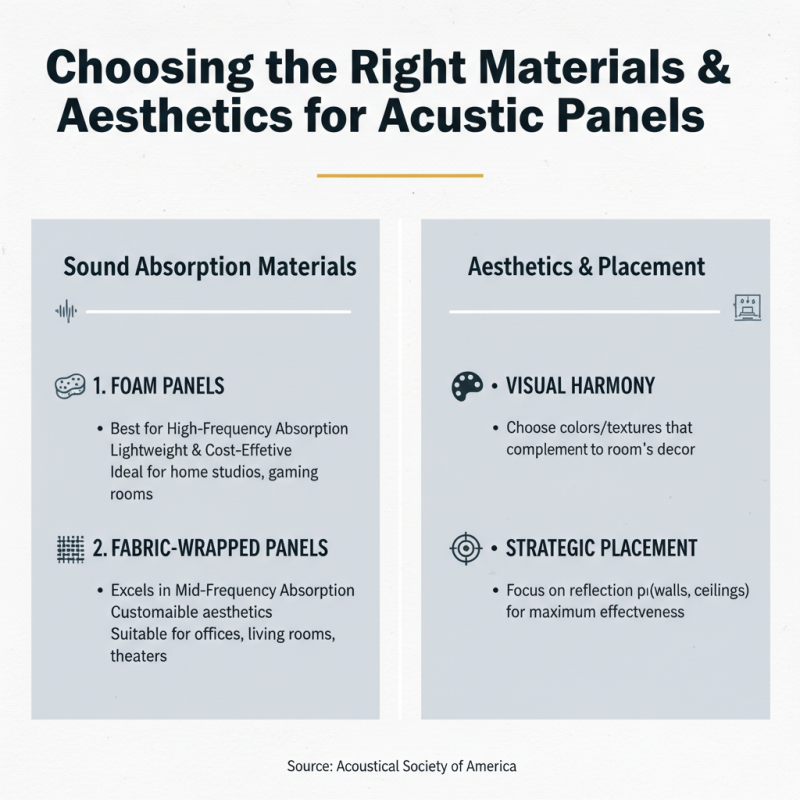
Choosing the right materials and aesthetics for acoustic sound panels is crucial for any space. The effectiveness of sound absorption largely depends on the panel material. According to the Acoustical Society of America, different materials have unique sound-absorbing properties. For instance, foam panels are ideal for high-frequency absorption, while fabric-wrapped panels excel in mid-frequency ranges.
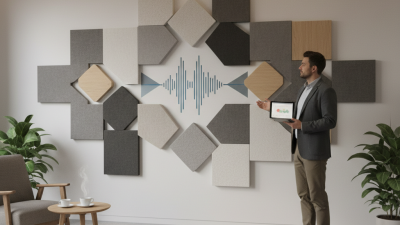
When selecting the aesthetics, consider not just functionality but also how the panels will complement your space. Acoustic panels come in various colors and designs. Custom options can enhance a room’s visual appeal while improving sound quality. Research by the National Institute of Standards and Technology suggests that visually appealing environments can enhance productivity and creativity in workplaces.
Tip: Always prioritize installation and placement. Sound waves travel differently, so placing panels in key areas can significantly improve sound quality. Another tip: think about eco-friendly materials. Sustainable options reduce environmental impact without compromising acoustic performance. Consider the room's existing decor. Sometimes less is more; over-decoration can distract from the desired sound quality. Balancing aesthetics and functionality requires thoughtful deliberation.
Installation Considerations for Optimal Sound Absorption and Effectiveness
When considering installation for acoustic sound panels, placement is crucial. This involves assessing wall surfaces, ceiling heights, and room dimensions. A report from the Acoustical Society of America indicates that strategic placement can enhance sound absorption by up to 30%. This might require trial and error to find the best locations.
Ensure that the panels are evenly distributed. Concentrating too many in one area can lead to an imbalance. Use a measuring tape to determine where sound reflections occur. This process often reveals unexpected sound hotspots that need addressing.
Tip: Always consider panel thickness. Thicker panels tend to absorb lower frequencies more effectively. Use at least 2-inch panels for optimal performance in larger spaces.
Another important factor is the distance between the panels and adjacent surfaces. Keeping them a few inches away from walls can improve airflow and sound absorption. According to the National Institute of Standards and Technology, this approach can increase effectiveness by 20%. Adjustments in this setup can sometimes yield surprising results.
Top Tips for Choosing Acoustic Sound Panels for Your Space