Top 10 Acoustic Board Types for Global Buyers to Consider?
When selecting the right acoustic board, global buyers face numerous options. Acoustic boards play a vital role in controlling sound in various environments. Their effectiveness can significantly impact spaces, from recording studios to open offices.
This guide presents the top ten acoustic board types, highlighting their unique features and applications. Each type serves different needs, offering diverse materials and finishes. Understanding these variations enhances decision-making. It’s important to consider factors like noise absorption and installation ease.
While this list provides valuable insights, choices may still perplex buyers. Manufacturers vary greatly in quality and performance. Some boards may not meet specific soundproofing expectations. Buyers must critically analyze their space and requirements before making a final decision.
Types of Acoustic Boards: An Overview for Global Buyers
Acoustic boards serve as essential tools in sound management across various environments. Their primary function is to reduce noise levels and improve sound quality. There are several types available in the market today, catering to different needs and applications. Each board type varies in composition, density, and effectiveness. Common materials include fiberglass, foam, and wood-based panels, with significant differences in performance.
According to a recent industry report, sound-absorbing materials can reduce noise levels by up to 70%, making them vital for spaces like offices, studios, and public areas. For instance, mineral wool boards excel in high-frequency sound absorption, while perforated wood panels provide a natural aesthetic and effective sound control. Global buyers should assess their unique requirements to select the best option.
When selecting acoustic boards, consider the intended use and environment. Testing different materials in real settings can reveal unexpected outcomes. Remember, not all boards deliver the same results in every context. Build-ups in humidity may affect performance, prompting regular assessments. Determine if the board complements the existing space design as well. Functionality and aesthetics should go hand in hand.
Key Characteristics to Evaluate When Choosing Acoustic Boards
When choosing acoustic boards, several key characteristics should be carefully evaluated. Sound absorption coefficient is paramount. According to industry studies, materials with a higher coefficient perform better in reducing echo and noise. For example, boards that achieve a rating of 0.85 or higher are often preferred in commercial spaces. This detail is critical for creating comfortable environments, especially in areas like concert halls or offices.
Thickness and density are essential factors as well. Thicker boards tend to absorb sound more effectively but may require more substantial support for installation. Density plays a role in performance. A report from the Acoustical Society of America points out that materials with a density of 800 kg/m³ or higher often demonstrate superior sound insulation qualities.
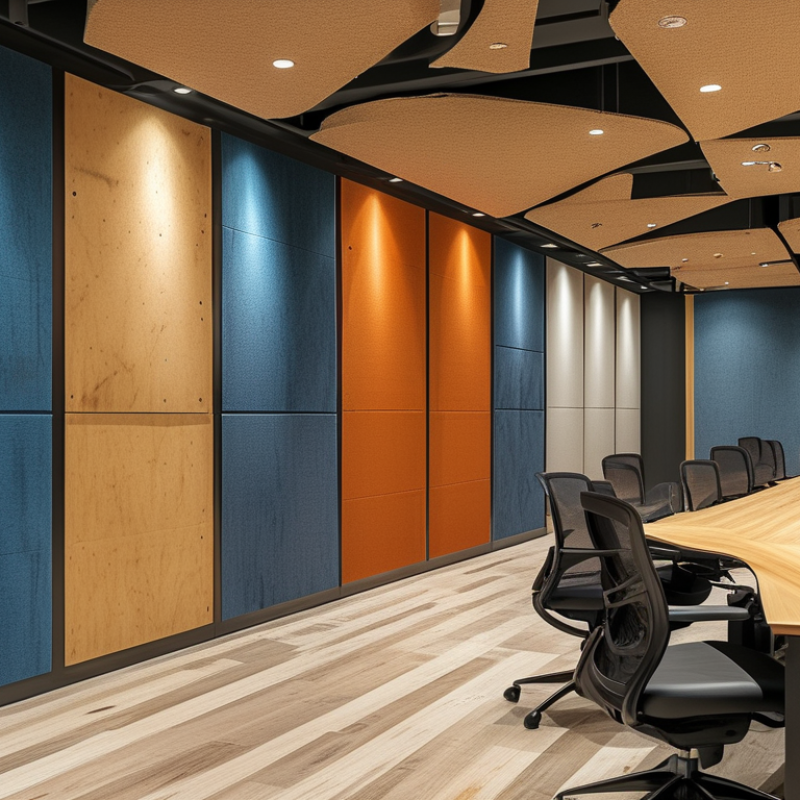
Additionally, aesthetics should not be overlooked. Acoustic boards come in various finishes and colors. The decision often rests on balancing performance with design needs. Many buyers struggle to find the right look while ensuring sound control. Evaluating specific use cases and requirements can guide selections—finding the perfect harmony between form and function.
Comparative Analysis of Popular Acoustic Board Materials
Acoustic boards play a crucial role in sound management within various environments. Different materials offer distinct acoustic properties. Wood fiber boards, for example, provide natural aesthetics. They enhance sound absorption but may not be as durable in high-moisture areas. Alternatively, mineral wool boards are known for excellent sound attenuation and fire resistance. However, their installation can be more labor-intensive.
Another common choice is foam boards. They are lightweight and easy to install, making them popular in DIY projects. Yet, their effectiveness can diminish over time. It's essential to consider the long-term performance of any acoustic board material. Many users overlook maintenance and repair, which can significantly impact sound absorption over time.
When selecting acoustic boards, pay attention to the specific needs of your space. Each material has its pros and cons. Your final decision should reflect a balance between functionality and aesthetics. Trial and error may play a role in finding the perfect fit. How does each option align with your project goals?
Application Areas for Different Types of Acoustic Boards
Acoustic boards play a crucial role in sound management across various settings. They are essential for enhancing sound quality in both commercial and residential environments. According to a recent report by the Acoustical Society, the demand for acoustic treatment solutions is expected to grow by 7% annually. This growth underscores the importance of selecting the right type of acoustic board for specific applications.
Different acoustic boards serve unique functions. For instance, high-density boards are ideal for studios and theaters, providing excellent sound absorption. In contrast, lightweight panels suit residential spaces, where aesthetics also matter. It's essential to assess the acoustic needs before making a selection. Each application might require distinct materials and thicknesses for optimal performance.
Tip: Consider the room's size and purpose. Larger spaces may benefit from thicker boards to manage sound reflections effectively. Test different types of panels to find the most suitable ones for your environment. Acoustic boards should enhance your space, contributing to both functionality and design.
Cost Considerations and Budgeting for Acoustic Board Purchases
When considering acoustic board purchases, cost is a crucial factor. Acoustic boards vary widely in price based on material and thickness. According to industry reports, high-density boards often range from $1.50 to $3.50 per square foot. A tight budget might restrict options, but informed decisions can yield effective results.
Tips: Compare materials that meet your acoustic needs without overspending. Look for options like mineral fiber boards, which offer lower costs without compromising quality. Remember to factor in installation costs. Professional installation might add $0.50 to $2.00 per square foot, impacting the total budget.
Depending on the intended use—like studios or open offices—choosing the right type of acoustic board is vital. This alignment of purpose and cost can sometimes be challenging. Buyers might find cheaper alternatives only to realize they lack adequate sound absorption. Research and seek reviews or case studies to help navigate this complex landscape. Balancing your budget with desired acoustic performance is essential for long-term satisfaction.