What Is the Top OBD Scanner to Buy in 2026?
Choosing the best Obd Scanner in 2026 is less about flashy features and more about dependable diagnosis. A useful tool should read common fault codes, display live data, and explain results clearly. It should also connect quickly when a warning light appears beside a busy roadside.
This guide compares scanners through practical, repeatable checks. We consider compatibility, code accuracy, update policies, app quality, and repair-shop usability. A strong model should identify engine problems without turning every result into an expensive guess. It should show sensor readings in real time, such as coolant temperature, oxygen voltage, and engine speed. Clear graphs can reveal a failing component more effectively than a long code list.
Real-world details matter. A scanner with a bright screen is easier to read in sunlight. A secure cable helps when testing near the driver’s footwell. Wireless models offer convenience, but connection drops can waste valuable minutes. Some inexpensive tools perform surprisingly well. Others promise advanced functions but provide vague menus and limited vehicle coverage.
No single device fits every driver. A professional technician may need bidirectional controls and manufacturer-level access. A home mechanic may prefer simple explanations and a reliable phone application. Results can also vary between vehicle brands, model years, and software versions. That limitation deserves attention.
The recommendations ahead focus on evidence, usability, and long-term value. They are not based only on laboratory claims. Your vehicle, experience, and repair goals should influence the final choice. Even the top-rated Obd Scanner may disappoint if its coverage does not match your car.
What an OBD Scanner Is and How It Works
What Is the Top OBD Scanner to Buy in 2026?
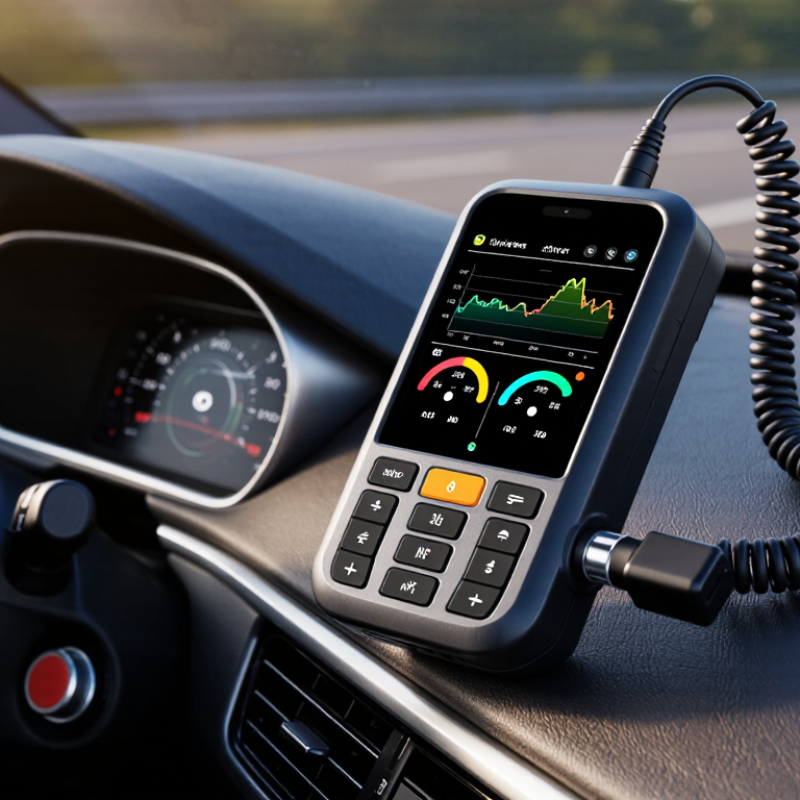
An OBD scanner is a diagnostic tool that connects to a vehicle’s onboard computer. Most modern cars have an OBD-II port beneath the dashboard. The scanner communicates with electronic control modules through this port. It retrieves trouble codes, sensor readings, and basic vehicle information.
It does not repair faults. That distinction matters.
A practical scan begins with the ignition switched on, without starting the engine. The scanner sends a request through the vehicle’s communication network. The control module then returns stored codes or live data.
A code may identify an affected system, such as ignition, emissions, or engine temperature. However, it rarely proves which part has failed. A loose connector can create the same code as a damaged sensor.
A code is a clue, not a verdict.
Tips: Choose a scanner that supports your vehicle’s communication protocols and provides clear code descriptions. Live data is useful for checking oxygen readings, coolant temperature, and battery voltage. Record the original codes before clearing them. I have seen people erase useful evidence too quickly. Even experienced users can misread a fluctuating value, so compare readings with service specifications and real symptoms. Updating the scanner can improve coverage, but updates are not always perfect. Test carefully.
Key Features to Compare in a 2026 OBD Scanner
When comparing a 2026 OBD scanner, coverage matters more than a colorful screen. S&P Global Mobility reported that the average U.S. light vehicle reached about 12.8 years in 2025. Older vehicles need stable access to standard OBD functions, including live data, freeze-frame records, readiness monitors, and accurate code definitions. Support for multiple communication protocols also matters when one household has several vehicle generations.
Check the scanner’s ability to read more than the engine computer. Modern vehicles may store faults in transmission, airbag, braking, battery, and body-control modules. SAE J1979 defines standardized diagnostic services, but generic emissions access is not the same as complete vehicle coverage. That difference matters. Look for active tests, data recording, graphing, service resets, and verified software updates.
A wired connection can be less convenient, yet it often avoids wireless pairing problems during roadside checks.
Electric and hybrid coverage deserves closer attention. The International Energy Agency reported more than 17 million electric cars sold globally in 2024, representing over 20% of new-car sales.
A suitable scanner should identify high-voltage system data, battery-related faults, and manufacturer-specific modules where supported. Verify coverage by model, year, engine, and region before purchase. No tool covers every function. Even experienced users can misread a sensor value without testing the wiring, power supply, and service history. Higher price is not always higher accuracy.
How to Match a Scanner to Your Vehicle and Diagnostic Needs
What Is the Top OBD Scanner to Buy in 2026?
The best scanner depends on your vehicle, not its feature count. S&P Global Mobility reported that U.S. vehicles averaged 12.6 years old in 2024. That matters when choosing coverage. An older car may need reliable OBD-II emissions reading. Newer vehicles often require access to ABS, airbag, body, and driver-assistance systems. The U.S. Environmental Protection Agency made standardized OBD requirements common for light-duty vehicles from 1996 onward. However, “OBD-II compatible” does not guarantee complete system access. Check the exact model year, engine, transmission, and regional specification before buying.
Match the tool to your actual work. A basic reader suits a warning light and stored emissions codes. A home mechanic may need live data, freeze-frame records, battery tests, and service resets. A repair professional should consider bidirectional controls, module coding, calibration support, and secure software updates. Vehicle diagnostics reports increasingly emphasize connected systems and electronic complexity, but I still see buyers selecting scanners by screen size alone. That shortcut fails. A smooth touchscreen cannot replace accurate data coverage. Look for clear code definitions, graphing that refreshes quickly, and a stable wired connection when testing sensitive modules. Wireless convenience is useful, yet signal drops can interrupt a diagnosis. I would also verify update pricing, supported functions, and independent repair feedback. Even published coverage lists can be incomplete. Test the scanner against your vehicle before trusting it for a difficult fault.