Top Water Saving Toilets for Eco Friendly Homes in 2026?
As we approach 2026, the push for eco-friendly solutions becomes more urgent. Water scarcity is a pressing issue in many regions. Traditional toilets consume excessive water, contributing to this crisis. Enter the Water Saving Toilet, a device designed to greatly reduce water usage while maintaining performance.
These toilets are not just eco-friendly; they also save money on water bills. Options vary significantly, allowing homeowners to select models that best fit their lifestyle and needs. From dual-flush systems to composting toilets, the choices are plentiful. However, not every model achieves the same efficiency, which can lead to frustration. Consumers often find themselves overwhelmed by the myriad of features and brands available.
Understanding the critical role of water saving toilets is essential for any eco-conscious homeowner. Selecting the right model requires knowledge and research. What works for one household may not suit another. Therefore, careful consideration and a bit of trial and error can lead to the best long-term solution.
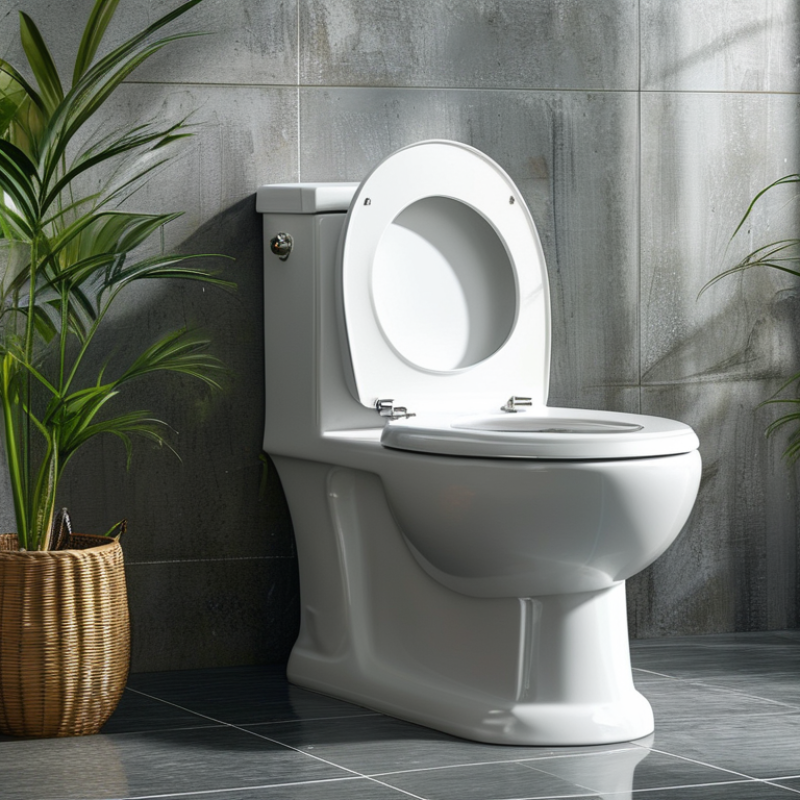
Top Water Saving Toilets in 2026: A Comprehensive Overview
In 2026, water-saving toilets have become essential for eco-friendly homes. The shift towards more sustainable living is significant. According to the EPA, traditional toilets can use over 3.5 gallons per flush. In contrast, modern water-saving models use 1.28 gallons or less. This transition can save an average household about 13,000 gallons of water annually.
The technology in these toilets continues to evolve. Dual-flush systems are particularly popular, offering users options for liquid or solid waste. Reports indicate that these systems can reduce water usage by 30% when compared to older models. It's crucial to consider usability and efficiency when selecting a toilet. Some models may have performance issues or require frequent maintenance. Investing in quality plumbing can mitigate these concerns.
Homeowners must also assess their specific needs. Space limitations and plumbing configurations can impact toilet performance. A good design should accommodate various spaces and ensure comfort. However, prices for eco-friendly toilets vary considerably. Selecting the right model requires thoughtful research and evaluation. As the demand for sustainable products grows, consumers face a nuanced market.
Key Features of Eco-Friendly Toilets for Sustainable Living
In 2026, eco-friendly toilets are essential for sustainable living. Modern designs focus on water efficiency and sustainable materials. Many models use just 1.28 gallons per flush, significantly less than older toilets that use 3.5 gallons or more. This technology alone can save an average family over 13,000 gallons of water each year, according to the American Water Works Association.
Key features include dual-flush mechanisms. These allow users to choose between a lower volume for liquid waste and a higher volume for solid waste. This option not only conserves water but also promotes responsible usage. Additionally, eco-friendly toilets often incorporate recycled materials in their construction, further reducing environmental impact.
Consider implementing a greywater system for your bathroom. This can help collect and reuse water from sinks or showers. Regular maintenance is crucial, too. Check for leaks that can waste gallons daily. Educating your family on water conservation practices is beneficial. Small changes make a significant impact on reducing overall water consumption.
Top Water Saving Toilets for Eco Friendly Homes in 2026
| Toilet Type | Water Consumption (gpf) | Flush Technology | Material | Price Range ($) |
| Single Flush | 1.28 | Gravity Flush | Ceramic | 150 - 300 |
| Dual Flush | 0.8 / 1.6 | Dual Flush | Porcelain | 200 - 400 |
| Composting Toilet | N/A | No Flush | Recycled Materials | 300 - 600 |
| Aerated Flush Toilet | 1.0 | Aerated Flush | Stoneware | 250 - 450 |
| Smart Toilet | 1.28 | Smart Flush | Ceramic | 400 - 800 |
Comparison of Popular Brands: Efficiency and Design
In 2026, eco-friendly homes are increasingly prioritizing water-efficient toilets. Many brands now offer modern models that not only save water but also enhance bathroom design. Industry reports estimate that low-flow toilets can save up to 20,000 gallons of water per year for a typical household. These savings have profound implications for both the environment and utility bills.
When comparing various brands, key features include efficiency ratings and design aesthetics. Some toilets utilize dual-flush technology, allowing users to choose between a full or half-flush. Research shows that these models can reduce water usage by nearly 30%. However, users must also consider maintenance and the longevity of various components. Aesthetic options might suit different bathroom styles, but efficiency should be the primary focus.
Consider choosing a model with a WaterSense label, as these toilets meet high water efficiency criteria. Investing in a reputable option often pays off in the long run. Additionally, remember to assess installation costs, which can vary significantly. Regular maintenance is crucial for sustaining performance and preventing leaks. While many options appear attractive, thorough research helps identify the best fit for both the home and the planet.
Top Water Saving Toilets for Eco Friendly Homes in 2026
Innovative Technologies Driving Water Conservation in Toilets
Innovative technologies are reshaping toilet design, significantly aiding water conservation. Recent reports indicate that modern toilets can reduce water usage by at least 20% compared to older models. This shift comes amid increasing awareness of the global water crisis, urging homeowners to seek eco-friendly options.
Dual-flush systems are at the forefront of these innovations. They allow users to choose between a full flush or a reduced flush. Studies show that toilets equipped with dual-flush technology can save up to 67% more water. These systems not only conserve resources but also lower water bills for homeowners. However, some users may struggle with the optimal settings, leading to inconsistent flushing efficiency.
Another notable advancement is the use of vacuum technology. These toilets require less water per flush, often less than a liter. This new design has the potential to reduce overall consumption dramatically. Yet, as with any new technology, there could be concerns about reliability and maintenance. Users must understand that while these innovations promise significant savings, they may also require adjustments in installation and usage habits.
How to Choose the Right Water Saving Toilet for Your Home
Choosing the right water-saving toilet for your home involves considering several factors. One key aspect is water efficiency. The U.S. Environmental Protection Agency (EPA) reports that high-efficiency toilets (HETs) use 1.28 gallons per flush, compared to older models that can use up to 3.5 gallons. This translates to significant water savings over time. In fact, households can save around 13,000 gallons of water annually by upgrading to a water-efficient model.
Another important consideration is the flushing technology. Gravity-fed models are popular for their reliability, while pressure-assisted designs provide a powerful flush. However, pressure-assisted toilets can be noisier, which might not suit all homes. It’s essential to weigh the pros and cons of each technology. Consumer feedback often highlights comfort and ease of use as crucial factors. Experts suggest testing different models to find the right fit for your needs.
Materials and design also matter when selecting a toilet. A porcelain finish is durable and easy to clean. However, some homeowners report that textures can get dirty quickly. Ultimately, the choice of a water-saving toilet should reflect both water conservation goals and personal preference. Remember, the right model can lead to a more eco-friendly lifestyle, yet it’s worth reflecting on your household habits and plumbing compatibility for optimal performance.