Why Wall Acoustic Panels Are Essential for Improving Sound Quality in Rooms
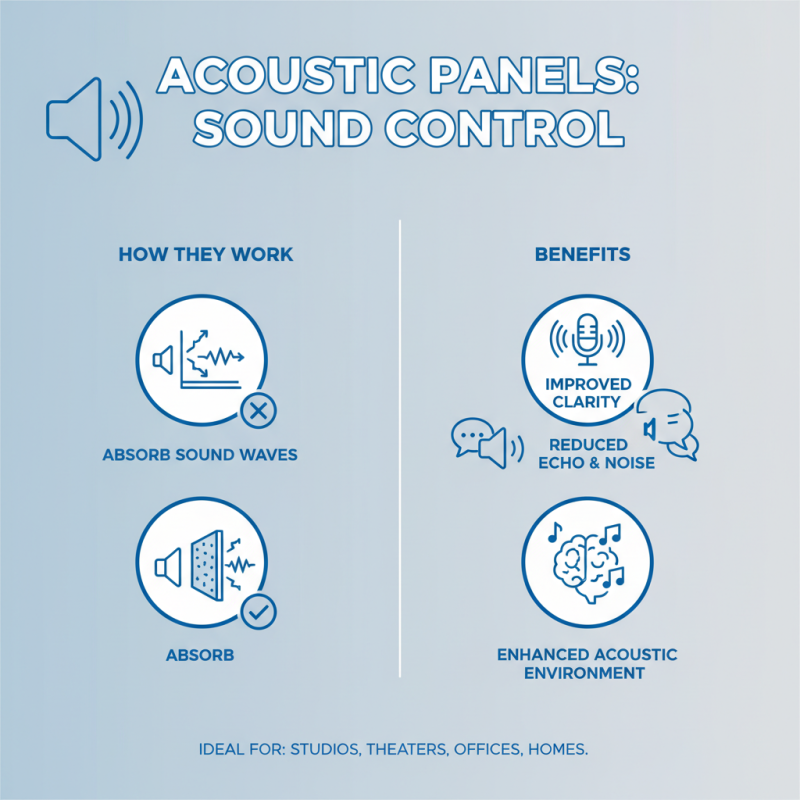
In today's fast-paced world, the importance of sound quality in various spaces cannot be overstated. Whether in homes, offices, or entertainment venues, the acoustic environment plays a crucial role in enhancing communication, productivity, and overall experience. Wall acoustic panels have emerged as a vital solution in addressing sound-related challenges. These specialized panels are designed to absorb sound waves, reduce echoes, and prevent noise interference, creating a more pleasant auditory atmosphere.
By strategically implementing wall acoustic panels, individuals can transform any room into a more acoustically balanced space. This is particularly essential in areas where clear sound distribution is paramount, such as conference rooms, music studios, and home theaters. The effectiveness of wall acoustic panels lies in their ability to minimize sound reflection and create a comfortable auditory space, allowing for improved listening experiences and greater focus.
In this article, we will explore the various benefits of wall acoustic panels and how they contribute to sound quality improvement in different environments. From understanding the science behind acoustic treatment to examining practical applications, readers will gain insights into why wall acoustic panels are essential for achieving optimal sound performance in any setting.
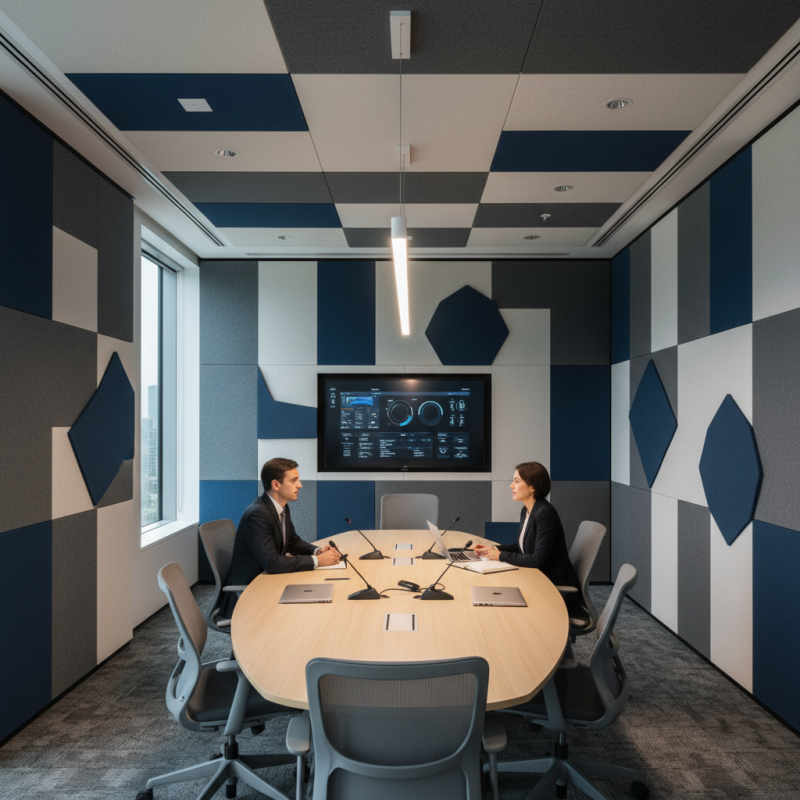
Understanding Wall Acoustic Panels and Their Functionality
Wall acoustic panels are specialized materials designed to enhance the sound quality in various environments, from recording studios and theaters to conference rooms and personal living spaces. These panels absorb sound waves, thereby reducing echo and minimizing unwanted background noise. By strategically placing acoustic panels on walls, they can dramatically alter how sound behaves in a room, leading to a more controlled acoustic environment. This functionality is crucial for creating spaces where clarity and quality of sound are imperative.
The effectiveness of wall acoustic panels stems from their composition and design. Made from materials like foam, fiberglass, or cotton, these panels can vary in thickness and density, allowing them to target different frequencies of sound. Thicker panels are generally more effective at absorbing low-frequency sounds, while thinner ones are suitable for higher frequencies. Additionally, their aesthetic versatility means they can be customized to blend seamlessly with the room’s decor or stand out as a design feature. Overall, understanding the functionality of wall acoustic panels helps in making informed decisions about improving sound quality in any given space.
The Importance of Sound Quality in Different Room Environments
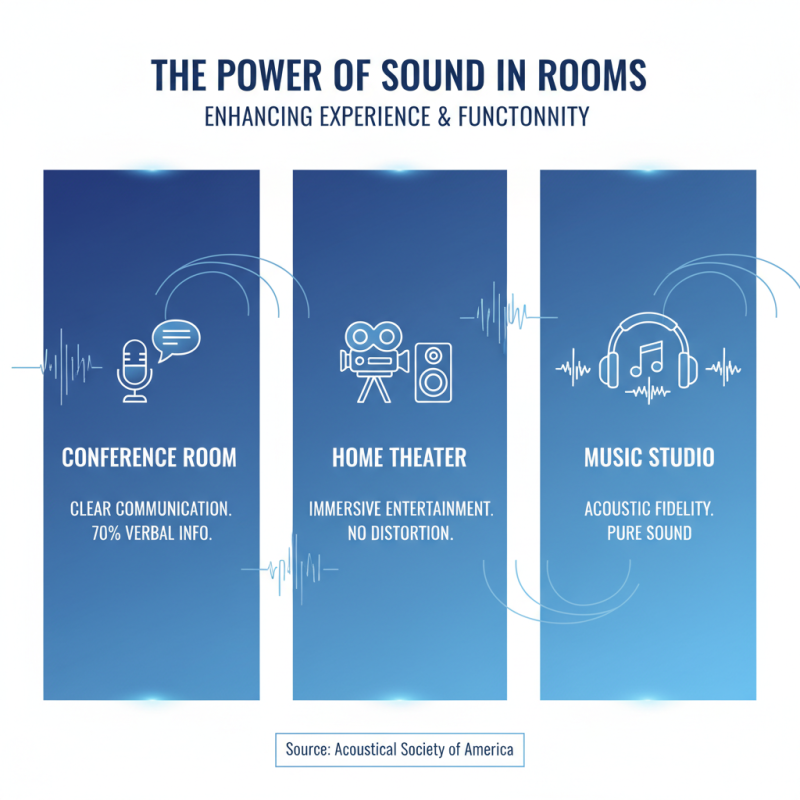
In various room environments, sound quality plays a crucial role in enhancing the experience and functionality of the space. For instance, in a conference room, clear audio is essential for effective communication. According to a study published by the Acoustical Society of America, up to 70% of information is conveyed through verbal communication, making sound clarity paramount. Additionally, settings like home theaters or music studios rely heavily on acoustic fidelity, given that even small sound distortions can significantly detract from the intended experience.
In environments such as classrooms, the impact of sound quality becomes even more pronounced. Research from the National Institute of Health suggests that poor acoustics can negatively affect student concentration and retention, with up to 20% of the information lost in classrooms with inadequate sound insulation. This highlights the necessity for wall acoustic panels, which can effectively absorb sound waves and minimize echo, thus creating a more conducive learning environment. By addressing these acoustic challenges, stakeholders can significantly improve not only the quality of interactions but also overall productivity and well-being within the space.
Materials Used in Acoustic Panel Construction
Acoustic panels are designed to enhance sound quality by reducing noise and echo in various settings, from recording studios to home theaters. The effectiveness of these panels largely hinges on the materials used in their construction. Commonly, sound-absorbing materials such as fiberglass and foam are utilized due to their capacity to trap sound waves and diminish reflections. Fiberglass panels, for instance, are covered with fabric to enhance aesthetics while providing superior sound absorption properties. On the other hand, foam panels are lightweight and versatile, making them easy to install in diverse environments.
When choosing materials for acoustic panels, consider their density and thickness, as these factors significantly influence their sound-absorbing capabilities. Thicker panels generally absorb lower frequencies better than thinner ones. It's also crucial to analyze the room's specific acoustic needs; for example, harder surfaces may require denser materials to effectively manage sound reflection.
**Tip:** For optimal results, mix different types of acoustic panels in your space. Combining soft foam panels with denser fiberglass ones can create a more balanced acoustic profile, addressing various frequencies and enhancing overall sound quality. Always remember to place panels strategically in areas where sound reflections are prominent to maximize their effectiveness.
Sound Absorption Coefficients of Different Acoustic Panel Materials
This chart illustrates the sound absorption coefficients of various materials commonly used in acoustic panel construction. The effectiveness of these materials in improving sound quality within rooms is highlighted.
Key Benefits of Installing Wall Acoustic Panels
Installing wall acoustic panels offers a multitude of benefits that significantly enhance sound quality in various environments. One of the primary advantages is the reduction of unwanted noise and echoes, which is particularly important in spaces such as recording studios, conference rooms, and home theaters. By absorbing sound waves, these panels help create a clearer audio experience, allowing for better communication and a more immersive listening environment. This is crucial in professional settings where audio clarity can impact productivity and performance.
Another key benefit is their ability to improve overall room acoustics. Acoustic panels help to balance sound distribution throughout a space, reducing dead spots and ensuring that sound is evenly spread. This is especially vital in larger areas where sound can bounce off hard surfaces, leading to uneven audio experiences.
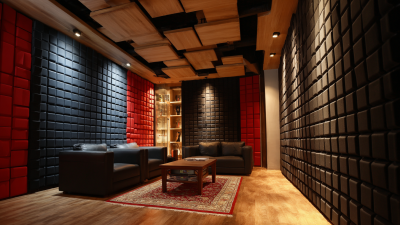
Additionally, many acoustic panels come in a variety of designs and finishes, allowing them to serve as aesthetic enhancements while simultaneously fulfilling their functional role. This dual purpose makes them an ideal choice for those looking to enhance both the acoustic quality and the visual appeal of their spaces.
Best Practices for Acoustic Panel Placement and Installation
When it comes to optimizing sound quality in a room, the placement and installation of acoustic panels are crucial. First, it's important to identify the primary sound reflection points within the space, which are typically the walls facing each other and the wall opposite the sound source. Placing panels at these strategic points helps absorb sound waves, reducing echoes and creating a more balanced audio experience.
In addition to these first reflection points, consider installing panels on the ceiling, especially in smaller rooms where sound can easily bounce off hard surfaces.
Proper installation techniques also contribute to the effectiveness of acoustic panels. They should be mounted securely to ensure they remain in place and maintain their sound-absorbing properties. Utilizing adhesive strips, brackets, or mounting hardware can provide the needed stability. Furthermore, it’s beneficial to vary the height and arrangement of the panels; this not only improves aesthetics but also enhances sound absorption across different frequencies. Ensuring that panels cover enough surface area while allowing for some open space can create a more natural sound environment.