How to Choose the Best Sound Insulation Panels for Your Needs?
Choosing the right sound insulation panels can be a challenge. With numerous options available, understanding your needs is crucial. Quality sound insulation panels can effectively reduce noise and enhance comfort in any space.
Begin by considering the specific environment where you will install the panels. Are you soundproofing a home studio or a busy office? Identifying the primary sound sources is essential. Also, think about the panel materials available—some are more effective at blocking sound than others. Acoustic foam, for instance, absorbs sound waves but may not isolate noise as effectively as dense materials like mineral wool boards.
Reflect on your budget and the installation process as well. Some sound insulation panels are easy to install, while others may require professional help. It’s important to ensure that the panels fit well within your existing space to achieve the best results. Overall, selecting sound insulation panels requires careful consideration of both functionality and aesthetics to meet your needs effectively.
Factors to Consider When Choosing Sound Insulation Panels
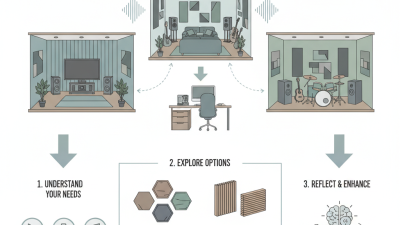
Choosing sound insulation panels requires careful consideration. First, assess the specific noise issues you face. Is it external noise from traffic or internal sound from conversations? Understanding your needs is essential.
Next, look at panel material. Different materials offer varying levels of sound absorption. Foam panels are inexpensive and lightweight; however, they may not provide high soundproofing. Acoustic barriers, on the other hand, are denser, but they can be bulky and expensive. Consider your space and aesthetic preferences when selecting materials.
Also, think about installation. Some panels require professional help, while others are DIY-friendly. If you're not handy, opt for easier-to-install options. Budget considerations are also crucial. High-quality panels can be pricier but are often more effective. Be cautious; cheaper panels might disappoint. Balancing quality and budget is a tricky but necessary task.
Factors to Consider When Choosing Sound Insulation Panels
Types of Sound Insulation Panels and Their Applications
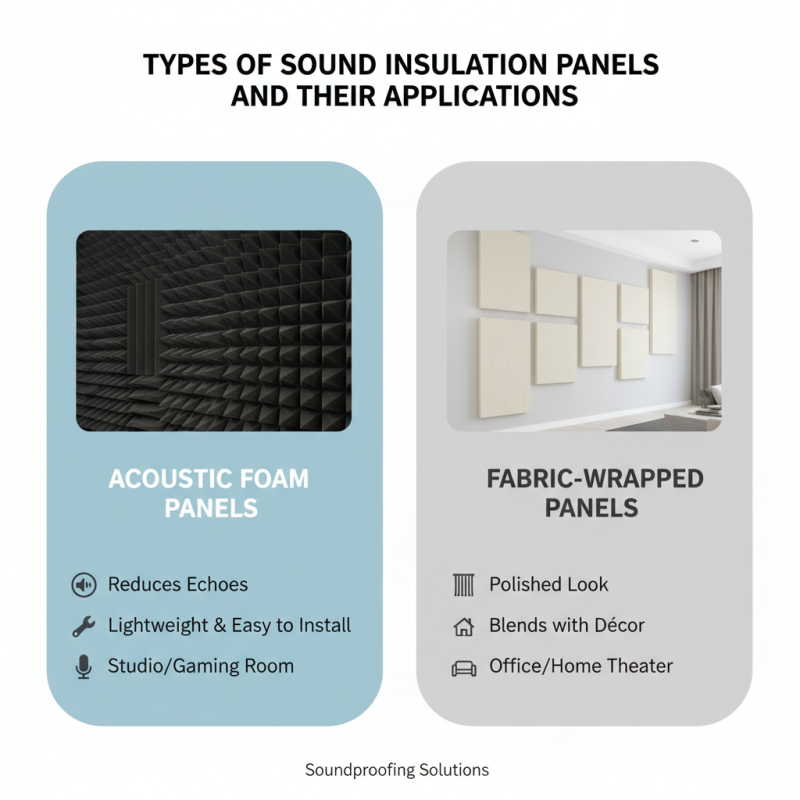
When selecting sound insulation panels, understanding the different types is crucial. Acoustic foam panels are popular for reducing echoes. They are lightweight and easy to install. Fabric-wrapped panels, on the other hand, offer a more polished look. They can blend seamlessly into any décor while providing effective sound absorption.
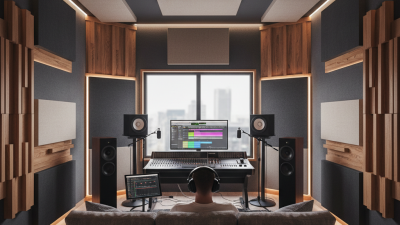
Mass-loaded vinyl (MLV) is another option. It's dense and excellent at blocking sound. This material is ideal for high-noise environments, such as studios or theaters. Bass traps, specifically designed for lower frequencies, are also available. They are key in controlling sound quality in music production.
Tips: Consider your specific needs before choosing. Evaluate the noise levels in your space. For a quieter environment, a combination of different panels can yield better results. Test samples where possible; not all panels will perform the same in your setting. Balancing aesthetics and functionality can be challenging. Ensure you measure your space and plan accordingly to avoid mistakes later.
Measuring Your Space for Optimal Sound Insulation Panel Fit
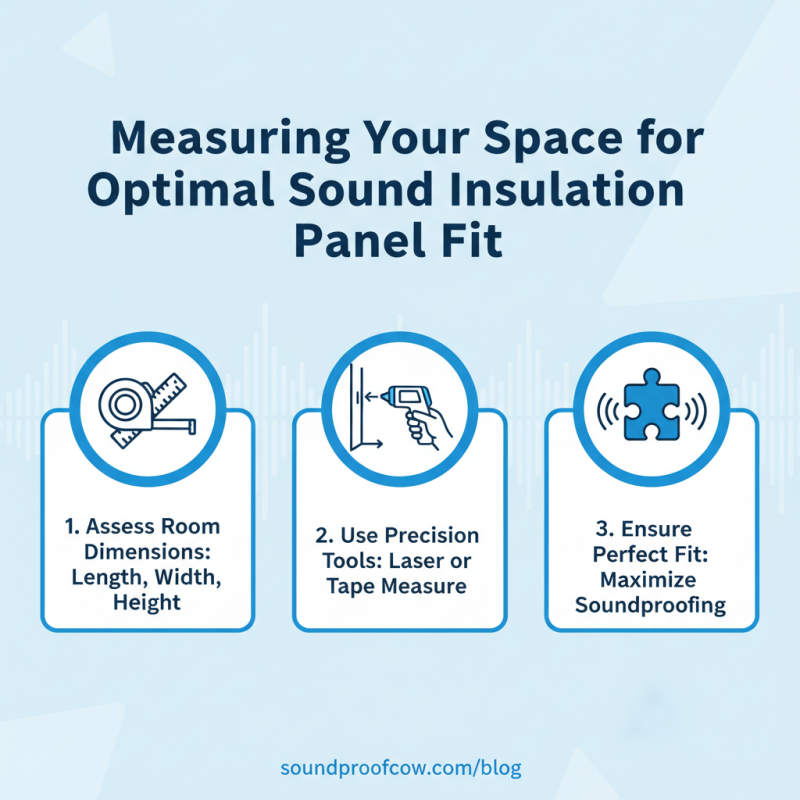
Measuring your space accurately is essential when selecting sound insulation panels. Begin by assessing the dimensions of the room. Measure the length, width, and height. Use a measuring tape or a laser measurement tool for precision. It ensures your panels fit well, maximizing their soundproofing abilities.
Consider the type of activities that will take place in the space. Are you trying to reduce noise from outside or lessen echo? This impacts panel selection. If you're working in a studio, thicker panels may be necessary. For general sound absorption, medium-density panels might suffice. Don’t overlook corners and edges; they often require additional treatment for optimal results.
Take note of any obstacles, such as windows and doors. These can affect how you arrange your panels. If you find uneven surfaces, you may need to explore different installation methods. Test fitting can also be helpful. It allows you to visualize how the panels will look. Finally, reflect on your goals and budget. Finding the right balance may take time, but it is worth it for a sound-friendly environment.
Evaluating Acoustic Performance Ratings of Sound Panels
When choosing sound insulation panels, understanding their acoustic performance ratings is essential. These ratings often indicate how well a panel can absorb sound frequencies. For effective soundproofing, look for panels with a high Noise Reduction Coefficient (NRC) rating. Research shows that panels with NRC ratings above 0.7 are ideal for reducing unwanted noise in various environments.
Additionally, consider the Sound Transmission Class (STC) rating. This metric measures how well a panel blocks sound. A panel with an STC rating of 50 or above is typically effective for residential applications. However, many panels may not deliver as promised, resulting in disappointment. Some products that claim high-STC ratings fail to perform in real-world settings.
Evaluating both NRC and STC ratings helps ensure informed decisions. Yet, acoustic performance can often vary based on installation conditions and room acoustics. Therefore, it’s wise to test panels when possible. Conducting real-world evaluations can help confirm manufacturers’ claims and guide future purchases.
Budgeting for Your Sound Insulation Panel Purchase
When budgeting for sound insulation panels, consider the overall costs involved. Prices can vary significantly based on material, thickness, and acoustic properties. Basic options may seem attractive, but they might not provide the desired soundproofing. It's crucial to balance cost with effectiveness.
Evaluate your specific needs. For a home studio, thicker panels are often necessary for superior sound absorption. In contrast, a small office may require something less dense. Research the types of materials available—foam, fabric-wrapped, or even mass-loaded vinyl. Each serves a different purpose, and understanding that is critical for making an informed decision.
Remember, cheaper solutions can lead to regret. While it’s tempting to cut corners, this can result in inadequate sound treatment. Investing a little more may save you from future headaches. Finally, keep in mind installation costs. Sometimes, DIY options can save money, but if done poorly, the results might be disappointing. Take the time to reflect on your space and requirements.
How to Choose the Best Sound Insulation Panels for Your Needs? - Budgeting for Your Sound Insulation Panel Purchase
| Panel Type |
Material |
Thickness (inches) |
NRC Rating |
Price per Panel ($) |
Ideal Use Cases |
| Acoustic Foam Panels |
Polyurethane Foam |
2 |
0.80 |
20 |
Home Studios, Offices |
| Mass Loaded Vinyl |
Vinyl Compound |
0.5 |
0.95 |
30 |
Soundproofing Walls, Ceilings |
| Soundproof Drywall |
Gypsum Board |
0.625 |
0.70 |
25 |
Residential, Commercial |
| Sound Absorbing Panels |
Fiberglass |
2 |
0.90 |
40 |
Theaters, Recording Studios |
| Thermal Acoustic Panels |
Recycled Cotton |
2 |
0.75 |
35 |
Green Buildings, Eco-Friendly Spaces |