Top Noise Reduction Panels Tips for Effective Soundproofing?
Effective soundproofing is critical in today's increasingly noisy environments. According to the Environmental Protection Agency (EPA), noise pollution can lead to health issues, including stress and sleep disturbances. Noise reduction panels play a vital role in mitigating these effects, creating quieter spaces for both work and relaxation.
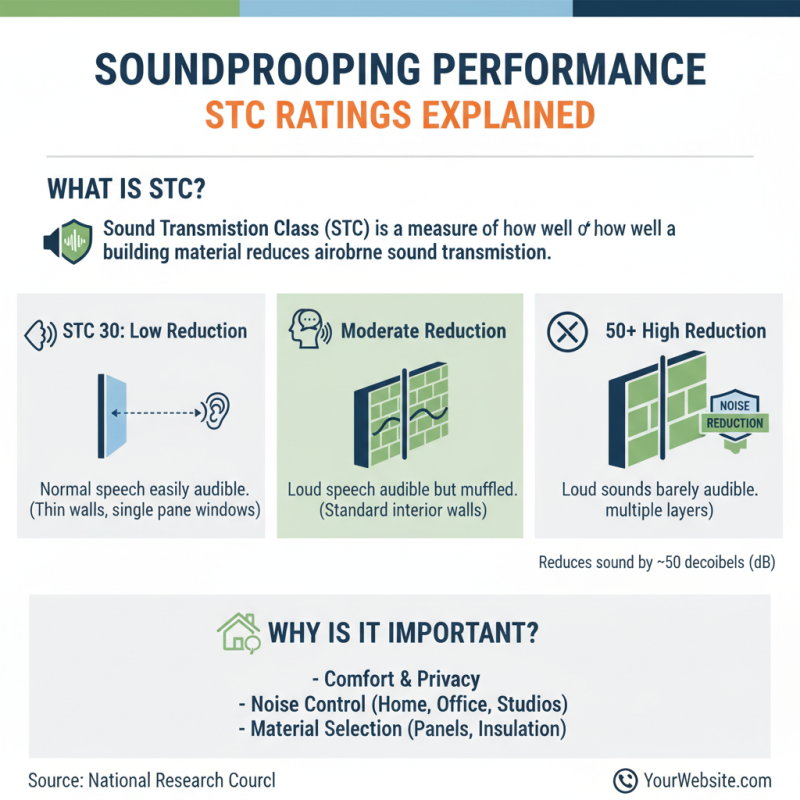
These panels absorb sound, reducing echoes and improving acoustics. Research indicates that using high-quality noise reduction panels can decrease sound transmission by more than 50%. This significant reduction can transform a bustling office or a noisy bedroom into a tranquil haven. However, not all panels are created equal. Selecting the right materials and installation techniques is essential for optimal performance.
Despite advancements, many consumers underestimate the impact of poor soundproofing. It often takes multiple iterations to find the right fit. Additionally, DIY solutions may fail to yield the expected results. By investing in expert advice and high-quality noise reduction panels, individuals can achieve the peace they deserve in their environments. This journey requires reflection and patience, ultimately improving the quality of life.
Understanding Sound Waves: Frequency, Amplitude, and Their Effects
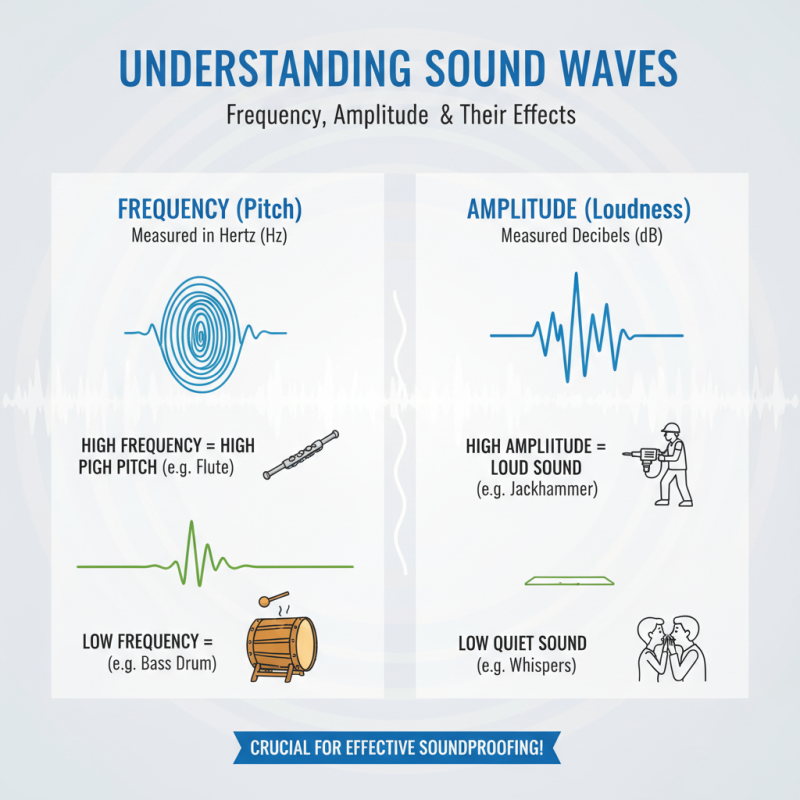
Understanding sound waves is crucial for effective soundproofing. Sound travels in waves, and these waves have two key characteristics: frequency and amplitude. Frequency refers to the pitch of the sound, measured in hertz (Hz). Higher frequencies produce higher pitches, while lower frequencies create deeper sounds. For example, a flute plays high notes, whereas a bass drum produces low, resonant tones.
Amplitude, on the other hand, relates to the loudness of the sound. It determines how far sound waves move from their resting position. Higher amplitude results in louder sounds. Ideally, soundproofing materials should effectively dampen different frequencies and limit sound waves' amplitude. This is tricky because not all materials handle sound equally. Absorption panels work better on certain frequencies, often neglecting low frequencies.
However, achieving absolute silence remains daunting. Many materials struggle with specific sound ranges. For instance, foam panels may excel with mid-range frequencies but falter with bass. Experimentation is vital. Testing various setups can help identify suitable solutions. Ultimately, understanding these fundamentals enriches the approach to soundproofing, leading to more effective setups.
Types of Noise Reduction Panels: Materials and Their Acoustic Properties
Choosing the right noise reduction panels is essential for effective soundproofing. Different materials can significantly impact acoustic performance.
Foam panels are lightweight and offer good absorption for mid to high frequencies. They are ideal for home studios and small spaces, maintaining clarity while reducing echoes.
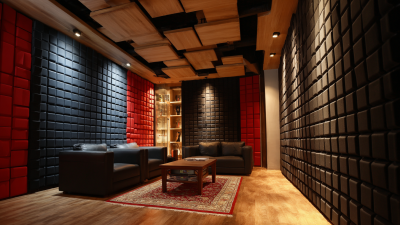
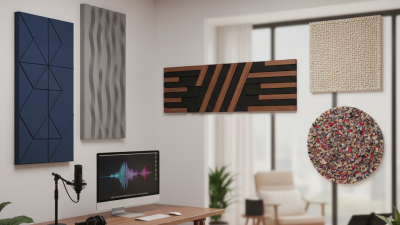
Fabric-wrapped panels provide a stylish option for soundproofing. They combine aesthetic appeal with sound-absorbing properties. These panels can reduce noise levels in larger areas like offices or conference rooms.
Solid wood panels, though heavier, are excellent for bass frequencies. They add warmth to a room, but installation can be more complex.
Reflecting on material choices is crucial. Not every room requires the same solution. For instance, a recording studio may benefit from foam, while a restaurant might need fabric panels to maintain ambiance.
Assessing your specific needs can guide you toward the most effective solutions.
Optimal Placement Strategies for Effective Sound Absorption
When considering optimal placement strategies for soundproofing, the first step is to identify key areas within a room. Corners often hold sound waves, so placing panels there can effectively reduce echo. According to a study from the Acoustical Society of America, strategic placement of acoustic panels can lead to a 35% reduction in perceived noise levels.
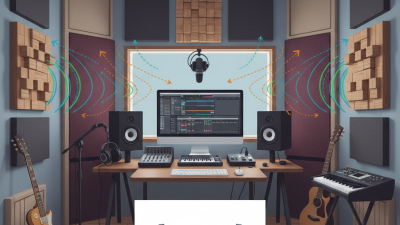
Another location to consider is directly behind sound sources, such as speakers. The absorption of sound energy here diminishes reflections and creates a clearer audio environment. It's also wise to cover walls that face each other. This placement helps in addressing sound wave bounce, contributing to a quieter space. Remember, only applying panels on walls might not yield desired results. Floors and ceilings may also require treatments depending on the sound's origin.
It's crucial to acknowledge that not all spaces will respond identically. Sometimes, achieving an ideal setup may require trial and error. Keeping a flexible mindset is key. Even professionals in acoustics face challenges in perfect soundproofing. Documenting changes and measuring outcomes can lead to a better understanding of how sound behaves in your space. Adjustments based on these observations can refine your soundproofing approach.
Noise Reduction Panel Effectiveness by Material Type
Maintaining and Upgrading Noise Reduction Panels for Longevity and Efficacy
When it comes to maintaining noise reduction panels, regular inspection is crucial. Panel effectiveness can diminish over time due to dust accumulation or damage. Reports indicate that untreated panels can lose up to 30% of their sound-absorbing capabilities. Regularly dusting or vacuuming surfaces helps maintain their acoustic properties.
It's also important to monitor the installation environment. Humidity and temperature fluctuations can affect material integrity. Using dehumidifiers in high-moisture areas can prolong panel lifespan. Consider replacing panels that show visible signs of wear or deterioration. This proactive approach not only enhances soundproofing but also promotes a healthier indoor environment.
Tip: Consider upgrading your panels every five years for optimal performance. Materials evolve, meaning newer panels may offer better sound absorption. It's a worthwhile investment if noise control is a priority. Remember, effective soundproofing is not a one-time effort; maintenance is key to longevity and efficacy.
Top Noise Reduction Panels Tips for Effective Soundproofing
| Tip |
Description |
Maintenance Frequency |
Expected Lifespan |
| Choose the Right Material |
Select materials that match the soundproofing needs, such as foam or fiberglass. |
Every Installation |
10-15 years |
| Ensure Proper Installation |
Follow guidelines for installation to maximize effectiveness. |
Once installed |
N/A |
| Regular Cleaning |
Dust and debris can accumulate, affecting performance. |
Monthly |
Indefinite with maintenance |
| Check for Damage |
Inspect panels for wear or separation regularly. |
Quarterly |
10 years |
| Reposition as Necessary |
Adjust placement based on changing acoustic needs. |
As needed |
N/A |