How to Choose the Best Sound Treatment Panels for Your Space?
Choosing the right sound treatment panels for your space can be daunting. Every room is unique, with different acoustic needs. These panels help reduce unwanted noise and improve sound clarity. However, not every panel will suit your specific requirements. Identifying the right type requires thoughtful consideration.
When selecting sound treatment panels, consider your room dimensions. The panel's material plays a vital role as well. Absorption and diffusion are two important characteristics. Each panel has its strengths and weaknesses. Research shows that some materials work better in certain environments. You might need to experiment to find what works best for you.
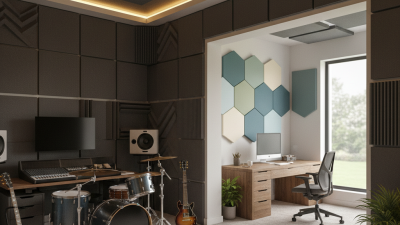
Incorporating sound treatment panels can transform your listening experience. They are not just practical; they can also enhance your room's aesthetics. Explore various designs and finishes. However, be ready to reflect on what truly meets your sound preferences. Finding the perfect balance may take time and adjustments.
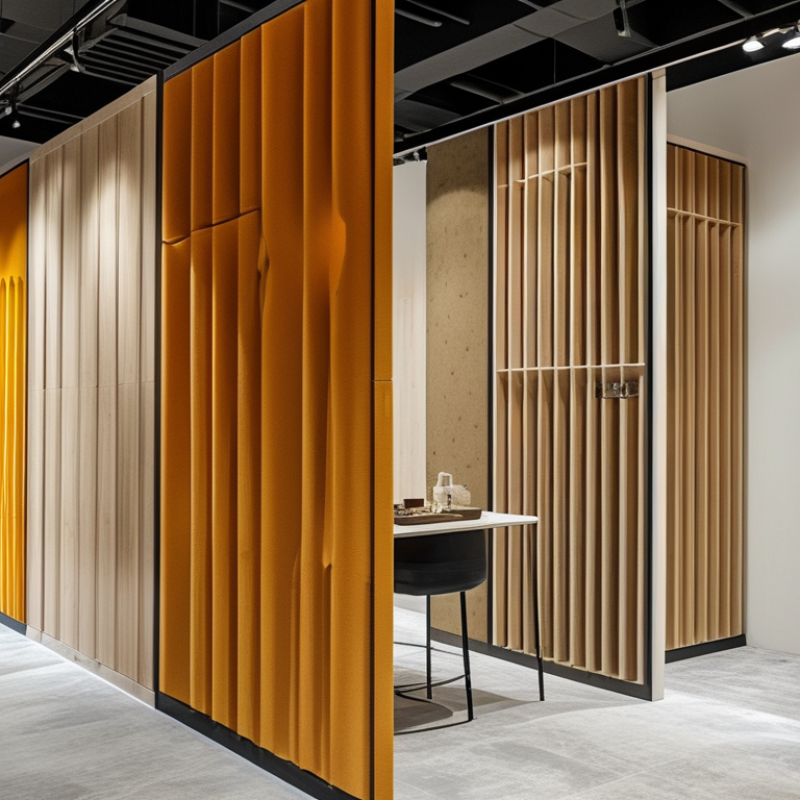
Factors to Consider When Selecting Sound Treatment Panels
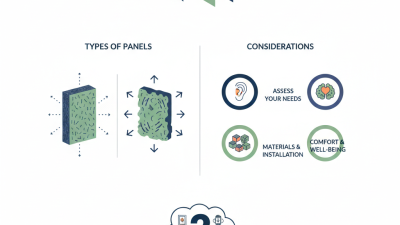
Choosing the right sound treatment panels requires careful consideration of several key factors. One crucial element is the material used in the panels. Various materials such as foam, fabric, and wood can significantly impact sound absorption. According to a report by the Acoustical Society of America, specific materials absorb sound at different frequencies. This information helps in selecting panels that will effectively reduce unwanted noise in your space.
Room size and layout are also vital. A smaller room may require fewer panels than a large studio. However, it’s worth noting that the placement of these panels is as important as their quantity. Poor placement can lead to uneven sound distribution, and may even amplify certain frequencies instead of dampening them. Studies indicate that strategic positioning can enhance sound clarity by as much as 30%.
Budget is another factor. Quality sound treatment panels can vary in price. Investing in high-performance panels can provide lasting benefits for both home and professional studios. However, a tight budget doesn't mean you can't find effective options. Many affordable alternatives can still provide decent sound treatment if you choose wisely. Consider the potential trade-offs between cost and performance, and make choices that align with your specific acoustic needs.
Types of Sound Treatment Panels and Their Applications
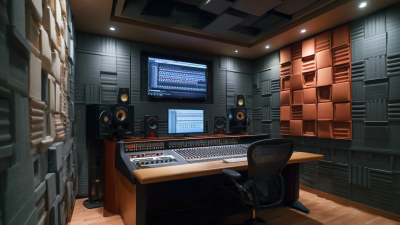
When choosing the best sound treatment panels, understanding types and their applications is essential. Acoustic panels are commonly used in homes, offices, and studios. They aim to reduce echo and improve sound clarity. Absorption panels trap sound, preventing it from bouncing off hard surfaces. They are ideal for recording studios where clarity is crucial.
Diffuser panels scatter sound waves. This scattering helps create a more balanced acoustic environment. These panels are useful in larger spaces, where sound can become muddled. Additionally, bass traps are designed to manage low-frequency sounds. They are often placed in corners to handle bass buildup effectively.
Consideration is vital when selecting panels. Room size and purpose will influence your choice. Panels can vary in design and effectiveness, which may not be immediately clear. It’s important to research and possibly test different options. Each space is unique, and what works for one may not work for another. This trial-and-error process can lead to better sound quality over time.
How to Choose the Best Sound Treatment Panels for Your Space?
| Type of Sound Treatment Panel |
Material |
Applications |
Effectiveness |
| Acoustic Foam Panels |
Polyurethane Foam |
Home Studios, Home Theaters |
High |
| Mineral Wool Panels |
Rock Wool |
Recording Studios, Auditoriums |
Very High |
| Fabric Wrapped Panels |
Fiberglass |
Conference Rooms, Classrooms |
High |
| Diffusers |
Wood, Plastic |
Concert Halls, Theaters |
Moderate |
| Bass Traps |
Dense Foam, Fiberglass |
Recording Studios, Home Theaters |
Very High |
Measuring Acoustics: Assessing Your Space's Needs
Measuring acoustics in your space is crucial for effective sound treatment. Start by evaluating the dimensions of the room. Smaller spaces may amplify sound, leading to unwanted echoes. Use a decibel meter to gauge sound levels. Listening carefully as you measure can reveal specific problem areas. Focus on corners and areas with hard surfaces, as these zones often reflect sound poorly.
Next, consider how sound interacts with furniture and decor. Soft materials absorb sound better than hard ones. Pinpoint areas where sound waves collide. This can help identify spots that need treatment. Keep in mind that every room is unique. A single approach may not suit all spaces. Personal experimentation might lead to unexpected results.
Finally, don’t overlook the importance of trial and error. Measure multiple times to ensure accurate data. Small changes can make a big difference in acoustics. Reassessing your space periodically is key. As your room’s function changes, so will its acoustic needs.
Placement Strategies for Optimal Sound Treatment Effectiveness
Placement of sound treatment panels is crucial for achieving the best acoustic results in any space. Start by identifying the main reflective surfaces, such as walls, ceilings, and floors. These areas often contribute to sound reverberations. By placing panels on these surfaces, you can minimize unwanted echoes and improve overall clarity.
Consider the arrangement of your panels. Strategically positioning them at first reflection points can significantly enhance sound quality. Use a mirror to locate these points by having someone move the mirror along the wall while you sit in your listening spot. Where you see the speakers reflected is where a panel should ideally be placed. Keep in mind that uneven placement can lead to an imbalanced acoustic environment.
Not all rooms are the same, and sometimes, space limitations present challenges. You may find that placing panels in unconventional areas yields positive results. Experiment with different positions and take notes. The goal is to create a more immersive listening experience. Do not be afraid to adjust and move the panels until you find the right spots. Finding the perfect placement may require some trial and error, but each attempt will lead you closer to acoustical excellence.
Sound Treatment Panel Placement Strategies for Optimal Effectiveness
Budgeting for Quality Sound Treatment Options and Solutions
When budgeting for sound treatment panels, it's essential to consider the quality of materials. Higher-quality panels often deliver better results in sound absorption and diffusion. However, this doesn't mean you need to break the bank. Many affordable options still offer good performance. It's about finding the right balance between cost and effectiveness.
Before making a decision, analyze your space's specific needs. Measure your room and identify areas that require sound treatment. This assessment will help you avoid overspending on unnecessary panels. Consider if you truly need to cover every wall or if strategic placements are enough.
Moreover, explore DIY sound treatment solutions. Creating your own panels can significantly cut costs. Use readily available materials such as foam or fabric-wrapped boards. Reflect on your aesthetic preferences while ensuring functional benefits. In this journey, you might discover that your initial budget constraints lead to creative solutions you hadn't considered.